How to Avoid Streaks When Painting Large Surfaces

How to Avoid Streaks When Painting Large Surfaces
Painting large surfaces such as walls, ceilings, or exterior facades can seem straightforward, but many people end up with visible streaks or uneven colour once the paint dries. This usually happens because of small mistakes in preparation, poor technique, or uneven drying conditions. With the right approach, however, you can achieve a smooth, consistent finish – even on the biggest surfaces. Here’s a practical guide to help you avoid streaks when painting.
Preparation Is Half the Job
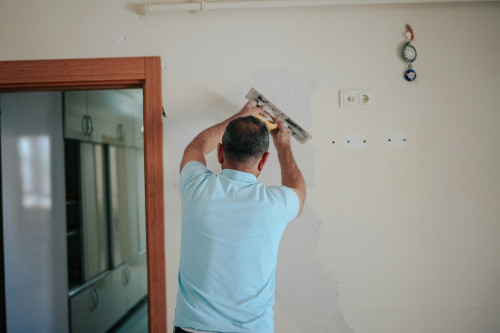
A flawless finish starts long before you open the paint tin. The surface must be clean, dry, and even in texture and absorbency. Dust, grease, or old stains can prevent the paint from adhering properly and cause patchy results.
- Clean thoroughly – use a sugar soap solution or a suitable wall cleaner, then rinse with clean water and allow to dry.
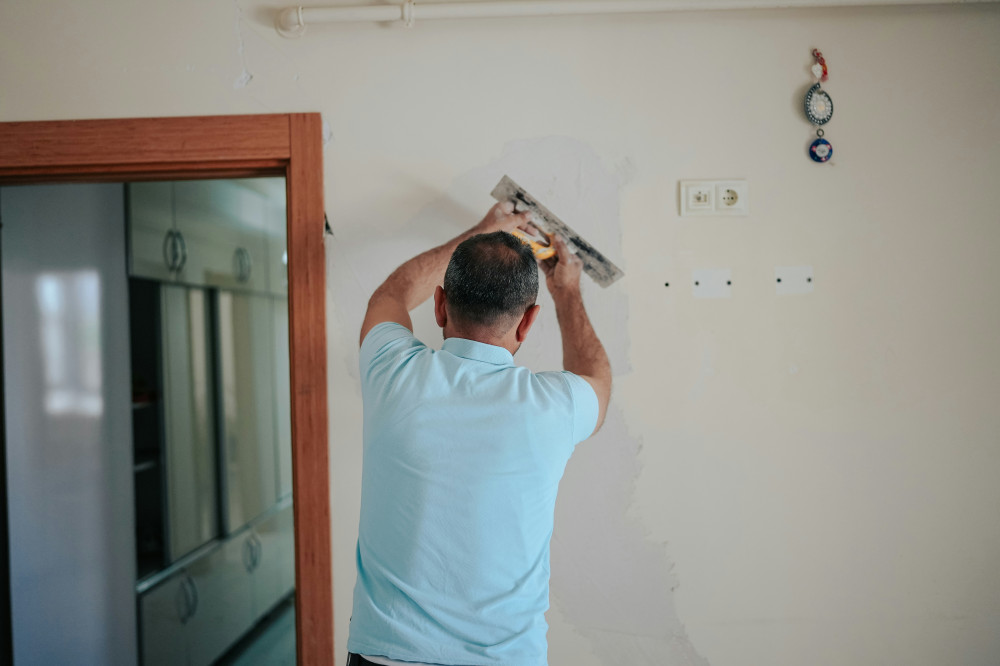
- Repair imperfections – fill holes and cracks, then sand smooth so the surface is even.
- Apply a primer or sealer – especially important on new plaster, bare wood, or highly absorbent surfaces. This helps the paint dry evenly and improves adhesion.
Make sure the room temperature is stable and avoid painting in damp or draughty conditions. Sudden changes in temperature or humidity can cause the paint to dry unevenly.
Choose the Right Paint and Tools
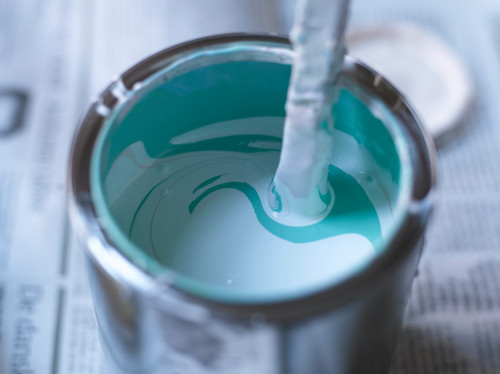
The quality of both paint and tools has a big impact on the final result. Cheaper paints often contain less pigment and binder, which increases the risk of streaks.
- Use high-quality paint – particularly for large, visible areas.
- Pick the right finish – the higher the sheen, the more visible any imperfections will be. For living rooms and bedrooms, a matt or low-sheen emulsion is often best.
- Select the right roller – a long-pile roller for textured surfaces, and a short-pile roller for smooth walls.
- Invest in a good brush for cutting in around edges and corners – it should hold paint well without dripping.
A useful tip is to use brushes and rollers recommended by the paint manufacturer, as they’re often designed to work best together.
Læs også:


Work in Sections and Keep a Wet Edge
When painting large surfaces, it’s important to work methodically. Streaks often appear when one section dries before the next is applied.
- Start with the edges – use a brush to paint around sockets, corners, and along the ceiling and skirting boards.
- Paint in sections – roughly one square metre at a time with the roller.
- Maintain a wet edge – roll into the area you’ve just painted while it’s still wet to avoid visible joins.
- Finish each section in the same direction – ideally with light, vertical strokes to create a uniform texture.
Avoid painting in direct sunlight or on very warm surfaces, as the paint will dry too quickly and may leave marks.
Don’t Overwork the Paint
A common mistake is to go over the same area too many times. This can pull the paint unevenly and create streaks. Once you’ve covered the surface evenly, leave it to dry. It’s better to apply a second coat later than to keep touching up wet paint.
Always follow the manufacturer’s instructions for drying times between coats. Painting too soon can cause uneven sheen, while waiting too long can make it harder for the layers to bond properly.
Lighting and Final Touches
Good lighting is essential while you paint. Shadows or poor light can hide streaks until the paint has dried. Use bright, even lighting from several angles to spot any missed areas as you work.
Once the paint is fully dry, check the finish in natural daylight. If you notice slight differences in colour or sheen, an additional coat will usually even things out.
A Professional Finish Takes Patience
Achieving a streak-free finish on large surfaces isn’t about luck – it’s about preparation, technique, and patience. Take your time to get the surface ready, use quality materials, and work steadily. With care and attention, you’ll end up with a smooth, professional-looking result that lasts for years.
Læs også: