Sustainable Interior Design: Create Calm, Simplicity and Harmony in Your Home


Sustainable Interior Design: Create Calm, Simplicity and Harmony in Your Home
In a world where life often moves at a fast pace and our senses are constantly stimulated, many of us long for a home that feels calm, balanced and meaningful. Sustainable interior design is not only about choosing eco-friendly materials – it’s also about creating spaces that nurture wellbeing, simplicity and harmony. Here’s how you can design your home with care for both yourself and the planet.
Think Long-Term – Choose Quality Over Quantity
A sustainable home begins with mindful choices. Instead of following fleeting trends, invest in timeless, well-made pieces that will last for years. This approach reduces waste and encourages a more thoughtful relationship with the things you own.
- Buy second-hand or vintage – charity shops, antique markets and online platforms across the UK are full of furniture with character and history.
- Opt for natural materials such as wood, wool, linen and cotton – they age beautifully and can often be repaired or recycled.
- Avoid overconsumption – before buying something new, ask yourself whether you truly need it or if you can refresh what you already have.
When you choose with intention, your home becomes more personal and less influenced by short-lived fashions.
Create Calm Through Simplicity
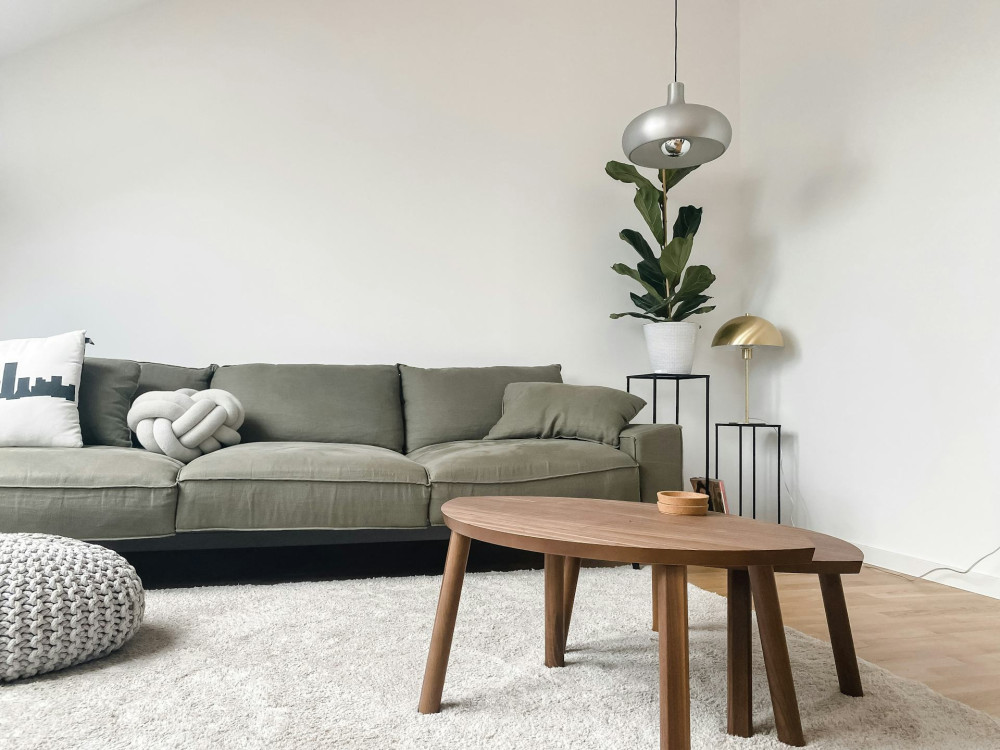
A peaceful home starts with simplicity. Too many objects or clashing colours can create visual noise, while a more pared-back approach allows space for rest and reflection.
Begin by decluttering. Donate, sell or recycle what you no longer use or love. Surrounding yourself with fewer, more meaningful items makes your home easier to maintain and more harmonious to live in.
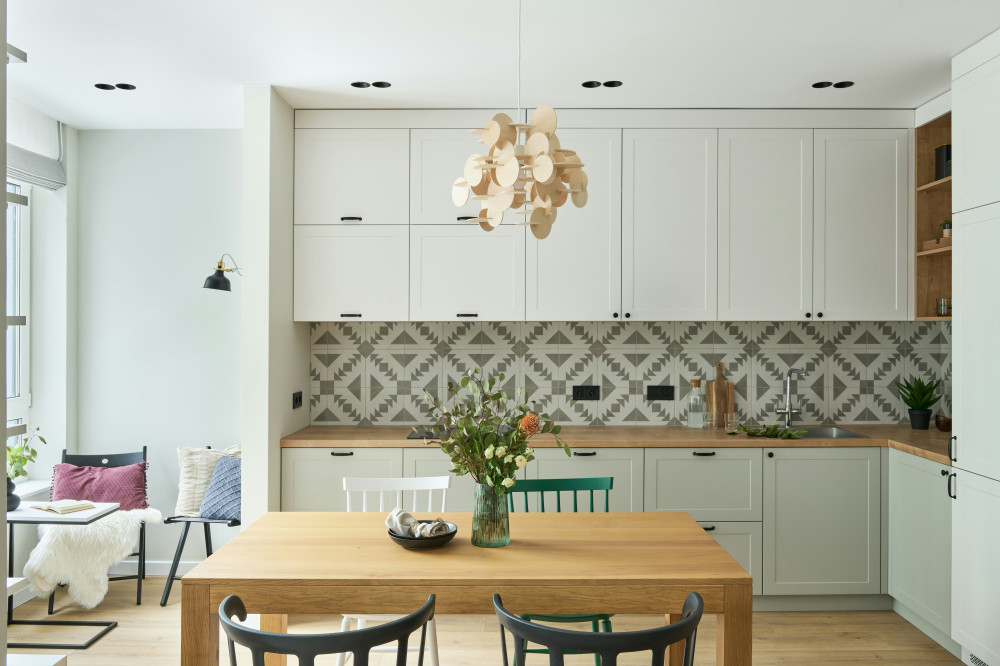
Colour also plays a key role. Soft, natural tones such as stone, sage, sand and warm neutrals bring a sense of calm, while small accents of colour can add warmth and personality.
Bring Nature Indoors
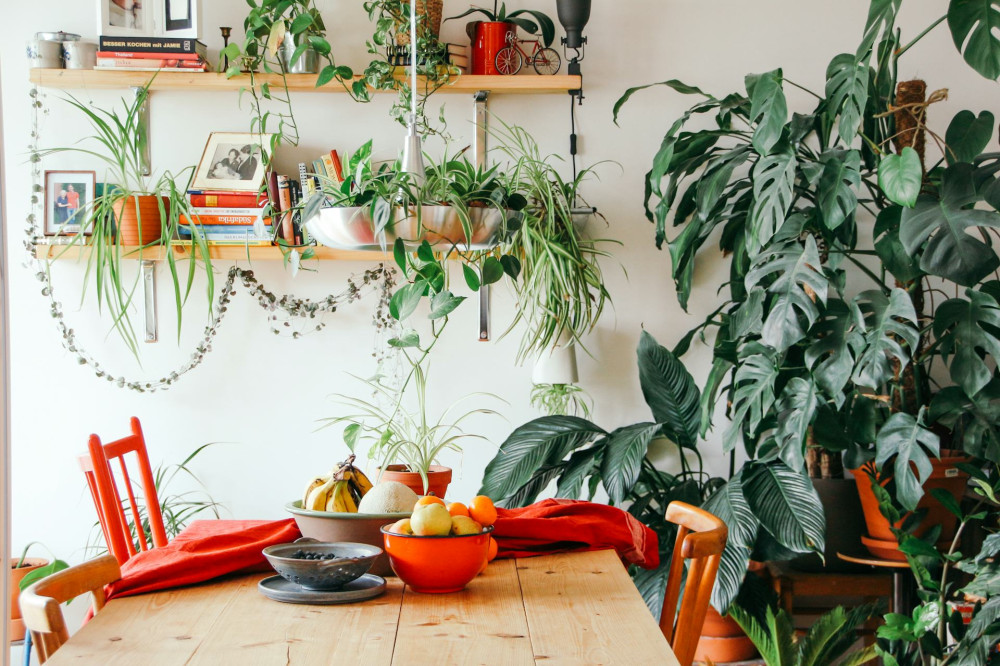
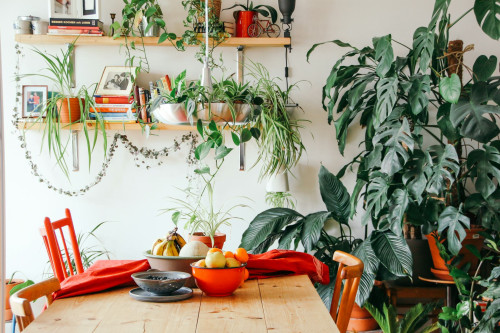
Nature is an endless source of inspiration for balance and serenity – and it can easily be part of your interior. Houseplants purify the air, soften acoustics and add life to any room. Choose varieties that suit your home’s light conditions, and mix different heights and textures for a natural look.
Incorporate materials like wood, stone and clay, and let their natural textures shine. A solid oak table, a ceramic vase or a woven basket can add warmth and authenticity without overwhelming the space.
Lighting is equally important. Make the most of natural daylight, and in the evenings, use lamps with warm, soft light to create a cosy atmosphere.
Læs også:
Give Old Items a New Life
Sustainability isn’t about buying new – quite the opposite. Often, the most unique interiors come from reusing or transforming what you already have.
An old chest of drawers can be revived with a coat of paint or new handles, and a worn chair can feel brand new with reupholstery. It takes a bit of creativity and time, but the result is a home with soul and a smaller environmental footprint.
Balance Function and Aesthetics
A sustainable home should be both beautiful and practical. Think about how you use each space and design with functionality in mind.
Multifunctional furniture – such as a dining table that doubles as a workspace or a bench with built-in storage – saves space and resources. This is especially valuable in smaller British homes and flats, where every square metre counts.
When function and aesthetics work together, you create that special sense of harmony that makes a home truly comfortable.
A Home with Intention
Sustainable interior design isn’t a fixed formula but an ongoing process. It’s about taking small steps, making conscious choices and creating a home that reflects your values.
When you surround yourself with meaningful objects and durable materials, your home not only looks good – it feels good to live in.
Ultimately, a sustainable home is one that embodies calm, simplicity and harmony – for you, and for the world around you.
Læs også: