Balance in the Garden: Combine Evergreen and Deciduous Plants

Balance in the Garden: Combine Evergreen and Deciduous Plants
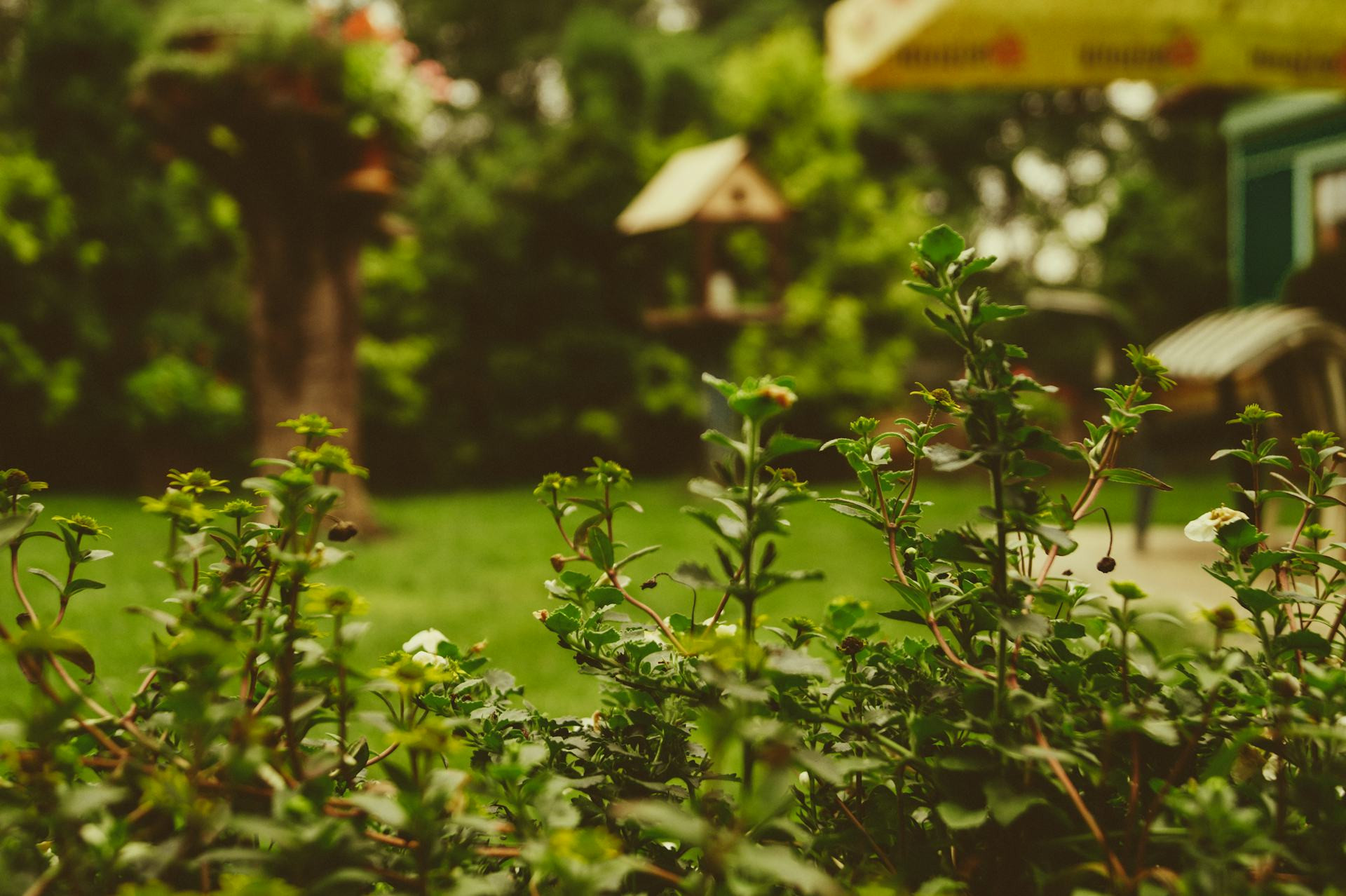
A well-balanced garden is not just about colour and bloom – it’s about structure, rhythm, and life throughout the year. By combining evergreen and deciduous plants, you can create a garden that feels alive in every season: steady and green in winter, yet full of change and movement as the months pass. It takes a bit of planning, but the result is a living, harmonious space where every plant has its role.
Why balance matters
Evergreen plants give the garden its backbone. They hold their shape when everything else fades, providing green structure and continuity. Deciduous plants, on the other hand, bring energy and transformation – they flower, change colour, and shed their leaves, marking the passage of time. When you combine the two, you achieve both calm and vitality, permanence and renewal.
A garden made up only of evergreens can feel heavy and static, while one filled solely with deciduous plants may look bare in winter. The balance between the two creates variety without chaos – a garden that works all year round.
Build structure with evergreens
Evergreens form the framework of the garden. They define spaces, create boundaries, and provide shape when other plants are dormant. Think of them as the garden’s architecture.
- Box (Buxus), yew, and holly are traditional choices for hedges and topiary, offering structure and formality.
- Rhododendrons and cherry laurels provide lush green backdrops and thrive in many parts of the UK, especially in sheltered, slightly acidic soils.
- Junipers and pines bring a more natural, woodland feel and cope well with drier, sunnier spots.
When choosing evergreens, consider both shape and shade of green. Some have dark, glossy leaves, while others are lighter or even blue-green. Mixing tones and textures keeps the garden interesting, especially in the quieter winter months.
Add life and change with deciduous plants
Deciduous plants are the storytellers of the garden. They mark the seasons with blossom, colour, and scent, and when their leaves fall, they let in light and air, preventing the garden from feeling too dense.
- Ornamental and fruit trees such as crab apple, rowan, and Japanese maple bring spring blossom and striking autumn colour.
- Flowering shrubs like lilac, hydrangea, and spiraea add bursts of colour and contrast beautifully with evergreen backgrounds.
- Perennials such as geraniums, hostas, and daylilies fill gaps and add layers of texture and height.
When planning, think about how each plant contributes at different times of year. A shrub that flowers in May can be paired with another that glows in October, ensuring there’s always something to enjoy.
Think in layers and rhythm
A balanced garden depends not only on plant choice but also on placement. Evergreens work best as anchors – hedges, background plantings, or focal points – while deciduous plants can be positioned in front or between them to create depth and movement.
Layering is key: tall trees at the back, shrubs in the middle, and perennials at the front. This creates a natural flow and a sense of harmony. Repeating certain plants or colours throughout the garden helps tie everything together and gives a pleasing rhythm.
Læs også:


Colour, contrast, and the seasons
Colour plays a vital role in balance. The deep greens of evergreens make the bright flowers and autumn tones of deciduous plants stand out. The contrast between glossy leaves and bare winter branches adds visual interest even in the coldest months.
In winter, structure takes centre stage – the evergreens provide form, while the bare branches of deciduous trees add a sculptural quality. In spring, the deciduous plants burst into life, followed by summer’s fullness and autumn’s fiery hues. The garden becomes a living cycle of renewal.
Practical considerations
When combining evergreens and deciduous plants, pay attention to light, soil, and moisture. Many evergreens prefer well-drained soil and some shelter from harsh winds, while deciduous species are often more adaptable. Make sure plants have enough space to grow without competing too much for nutrients and water, especially in their early years.
Planting in groups rather than singly often gives a more natural look and makes it easier to balance the different types. It also helps create a sense of unity across the garden.
A garden in balance – all year round
When you find the right mix of evergreen and deciduous plants, your garden becomes a place that evolves without losing its shape. It stays green and structured through winter, blossoms and scents in spring, flourishes in summer, and glows with colour in autumn.
Balance doesn’t mean dividing the garden evenly between the two types – it’s about creating harmony between the constant and the changing, the solid and the fleeting, the calm and the lively. That’s where the garden finds its rhythm – and where you find peace within it.
Læs også: