Grow Perennial Herbs – Enjoy the Flavour of Thyme, Rosemary and Sage Year After Year


Grow Perennial Herbs – Enjoy the Flavour of Thyme, Rosemary and Sage Year After Year
Perennial herbs are a true delight for any gardener. Once planted, they return year after year, needing little care while adding fragrance, flavour and life to your garden. Thyme, rosemary and sage are three timeless favourites that thrive in the British climate and bring a touch of the Mediterranean to your cooking. Here’s how to grow and care for them so you can enjoy their aroma and taste season after season.
Why Choose Perennial Herbs?
Perennial herbs are both practical and sustainable. You plant them once and can harvest for many years to come. They need less watering and maintenance than annual herbs such as basil or coriander, and they attract bees and butterflies, which help pollinate the rest of your garden.
Most perennial herbs prefer full sun and well-drained soil. They cope better with dry conditions than with damp ones, and their flavour often intensifies when they grow in slightly poor soil.
Thyme – the Versatile Classic
Thyme is one of the hardiest herbs you can grow. It loves full sun and light, dry soil – ideally with some sand or grit mixed in. It forms a low, spreading mat, making it perfect as ground cover in a herb bed or in pots on a sunny patio.
- Planting: Space plants about 20–30 cm apart. You can plant in spring or late summer.
- Care: Trim lightly after flowering to keep the plant compact and healthy.
- Harvest: Cut stems as needed, ideally just before flowering when the flavour is strongest.
Thyme pairs beautifully with meat, vegetables, soups and marinades. It also dries well, keeping much of its aroma through the winter months.
Rosemary – a Touch of the Mediterranean
Rosemary brings warmth and fragrance to British gardens. It thrives in sunny, sheltered spots and well-drained soil. In milder parts of the UK, it can stay outdoors all year, but in colder or wetter areas it’s best grown in a pot so it can be moved under cover during harsh weather.
- Planting: Use gritty, free-draining compost and avoid heavy clay soil.
- Care: Prune lightly in spring to encourage new growth, but avoid cutting into old woody stems.
- Winter Protection: In cold regions, move pots to a frost-free greenhouse or porch, or cover outdoor plants with fleece during severe frost.
Rosemary is a classic with lamb, potatoes, bread and roasted vegetables. It can also be used to infuse oils or simply as a fragrant ornamental shrub.
Sage – Flavour and Colour Combined
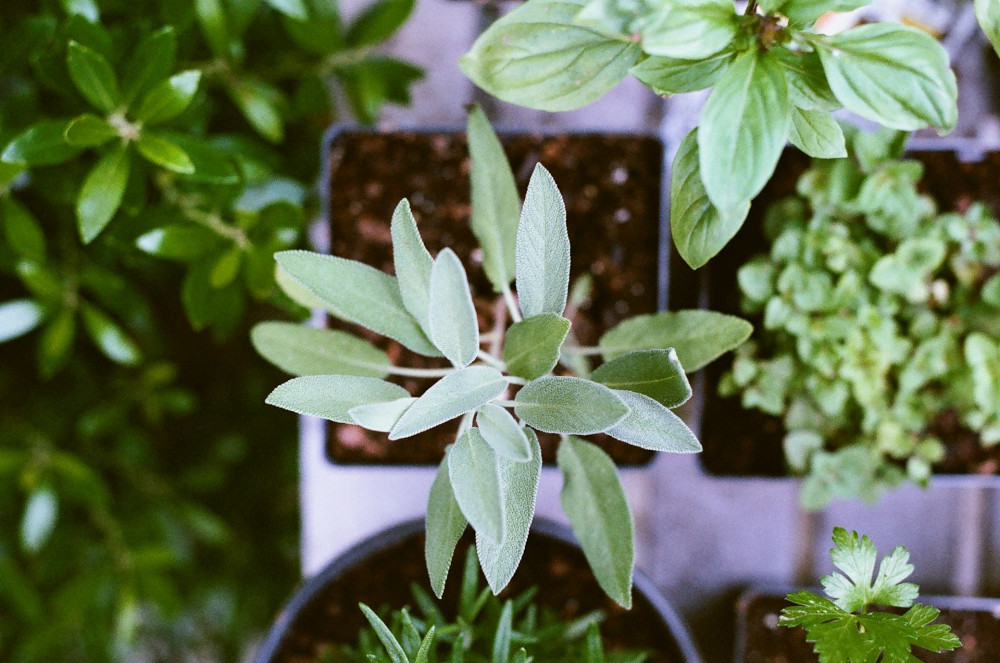
Sage is both beautiful and delicious. Its silvery-green leaves and purple flowers make it decorative, while its strong, earthy flavour enhances poultry, pasta and butter-based dishes. Sage prefers full sun and well-drained soil and dislikes sitting in wet conditions.
- Planting: Give it space – sage can grow up to 60 cm tall and wide.
- Care: Cut back to about 10 cm in spring to encourage fresh growth.
- Harvest: Pick leaves throughout summer. They can be dried or frozen for later use.
Sage is also a useful companion plant in the vegetable garden, as its scent helps deter pests from nearby crops.
Helping Your Herbs Thrive Year After Year
To keep your perennial herbs healthy and productive, follow a few simple steps:
- Sun and Shelter: Most perennial herbs love warmth and sunshine. Choose a sunny, sheltered spot.
- Drainage: Ensure soil drains well, especially in winter. Raised beds or pots with drainage holes work well.
- Pruning: Trim plants lightly each spring to keep them bushy and vigorous.
- Dividing: After a few years, some herbs may become woody in the centre. Divide and replant in spring to rejuvenate them.
With a little care, your herb bed will stay lush and aromatic for many seasons.
Læs også:


Everyday Uses for Your Herbs
One of the joys of growing perennial herbs is having fresh flavour at your fingertips. Snip a few sprigs for cooking, or use them to make your own herb oils, salts or teas. They add freshness to everyday meals and a touch of homegrown pride to your kitchen.
A Garden That Keeps on Giving
Growing perennial herbs is about more than just cooking – it’s about creating a living, fragrant garden that rewards you year after year. Thyme, rosemary and sage are resilient, beautiful and full of character. Once planted, they’ll become a lasting part of your garden – and your table – for many seasons to come.
Læs også: