Building Supervision Provides Clarity – How the Client Gains Insight into the Progress of the Construction Project

Building Supervision Provides Clarity – How the Client Gains Insight into the Progress of the Construction Project
A construction project is a complex process involving numerous stakeholders, decisions, and deadlines. For the client, maintaining an overview and ensuring that the work progresses as planned – in terms of quality, time, and budget – can be a challenge. This is where building supervision plays a crucial role. A professional supervisor acts as the client’s eyes and ears on site, ensuring that the project runs safely and transparently from start to finish.
What Is Building Supervision – and Why Does It Matter?
Building supervision is an independent review of whether the construction work is carried out in accordance with the design documents, relevant legislation, and the agreements made between the client and the contractor. The supervision is typically performed by a qualified building surveyor, clerk of works, or project manager with experience in both technical details and site management.
The purpose is to identify errors and deficiencies early so they can be corrected before they develop into costly problems. It is not only about checking workmanship but also about ensuring that the schedule is followed and that communication between all parties remains clear and effective.
Good building supervision gives the client peace of mind – and can ultimately save both time and money.
Ongoing Inspections and Documentation
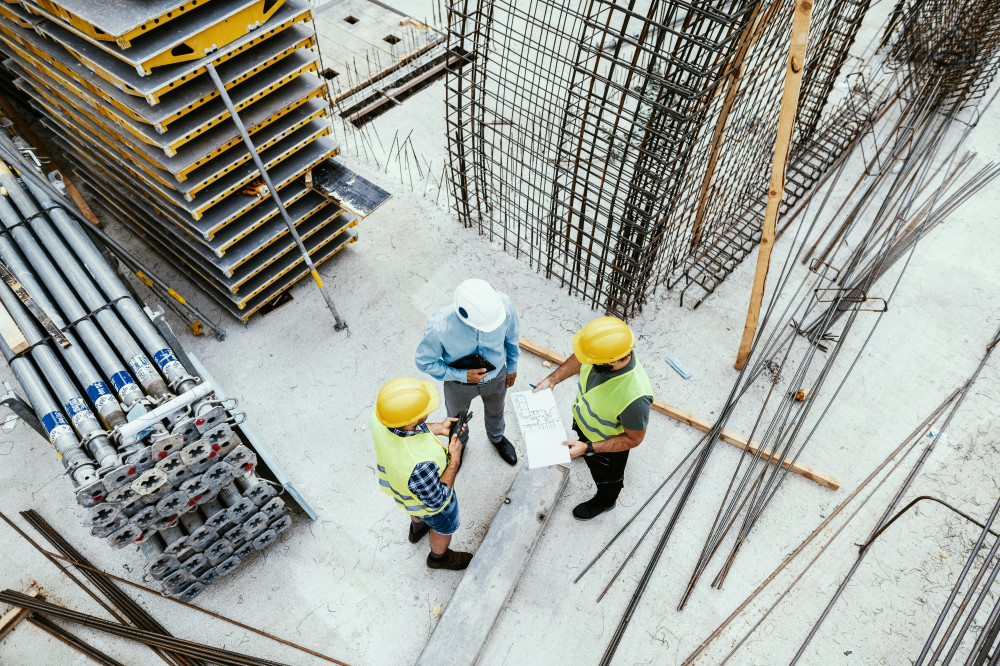
Supervision usually takes place through regular site visits, during which the supervisor reviews the work step by step. This may include everything from foundations and structural elements to installations, finishes, and final completion.
After each visit, a report is prepared documenting the current status, any deviations, and recommendations for corrective action. This continuous documentation provides the client with a clear picture of the project’s progress and makes it easier to follow up on the contractor’s performance.
Many consultants now offer digital platforms where clients can access reports, photographs, and updated schedules online. This transparency allows for quick responses if issues arise and helps maintain control throughout the project.
The Supervisor’s Role in Collaboration Between Parties
A construction project often involves multiple contractors, trades, and suppliers. The building supervisor acts as a link between them, ensuring that communication flows smoothly and that everyone works from the same set of assumptions.
The supervisor may attend site meetings, coordinate between disciplines, and help resolve technical questions before they escalate into disputes. This fosters more efficient collaboration and reduces the risk of misunderstandings.
For the client, this means having a professional who keeps an eye on the bigger picture – and who can translate technical details into clear, actionable decisions.
Læs også:


Quality Assurance and Risk Management
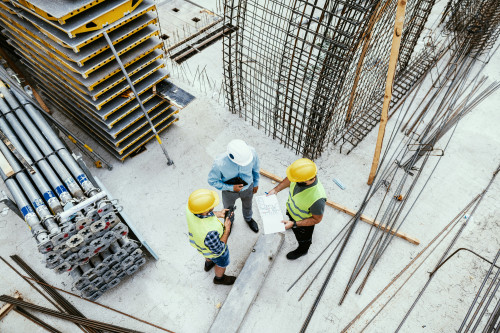
Building supervision is, above all, about quality assurance. By checking materials, workmanship, and compliance with standards, the supervisor ensures that the construction meets the requirements set out in the design and in building regulations.
At the same time, supervision functions as a form of risk management. Many construction defects arise because small deviations go unnoticed until it is too late. Systematic supervision can catch these issues early – for example, incorrect reinforcement, inadequate damp proofing, or poor ventilation – and prevent expensive repairs later on.
How to Get the Most Out of Building Supervision
To gain the full benefit of building supervision, it is important to choose a consultant with the right experience and professional background. A good supervisor combines technical expertise with the ability to communicate clearly and act decisively.
As a client, you can make the most of supervision by:
- Agreeing on regular inspection intervals – to ensure that all critical stages are reviewed.
- Reviewing reports promptly – and following up on any comments or recommendations.
- Using the supervisor as a sounding board – ask questions and seek clarification on technical matters.
- Establishing clear agreements – regarding scope, fees, and reporting procedures.
A strong partnership between client and supervisor is key to a successful project.
Clarity, Confidence, and Better Results
Building supervision is not merely a control function – it is a tool for creating clarity and insight. When the client has access to up-to-date information about the project’s progress, it becomes easier to make informed decisions and maintain confidence in the process.
Professional supervision can make the difference between a project that runs smoothly and one that suffers from delays and cost overruns. It is not an expense but an investment in quality, assurance, and a successful outcome.
Læs også: