Comprehensive Planning in Construction: How to Create Coherence in Your Decisions

Comprehensive Planning in Construction: How to Create Coherence in Your Decisions
When embarking on a new build or renovation, it’s easy to get caught up in individual choices: Which cladding looks best? What type of windows should you choose? But without a comprehensive plan, the project can lose coherence – aesthetically, functionally, and financially. Comprehensive planning means viewing construction as an integrated system where every decision influences the others. Here’s a guide to creating clarity and consistency in your decisions – from the first ideas to the finished building.
What Does Comprehensive Planning Mean?
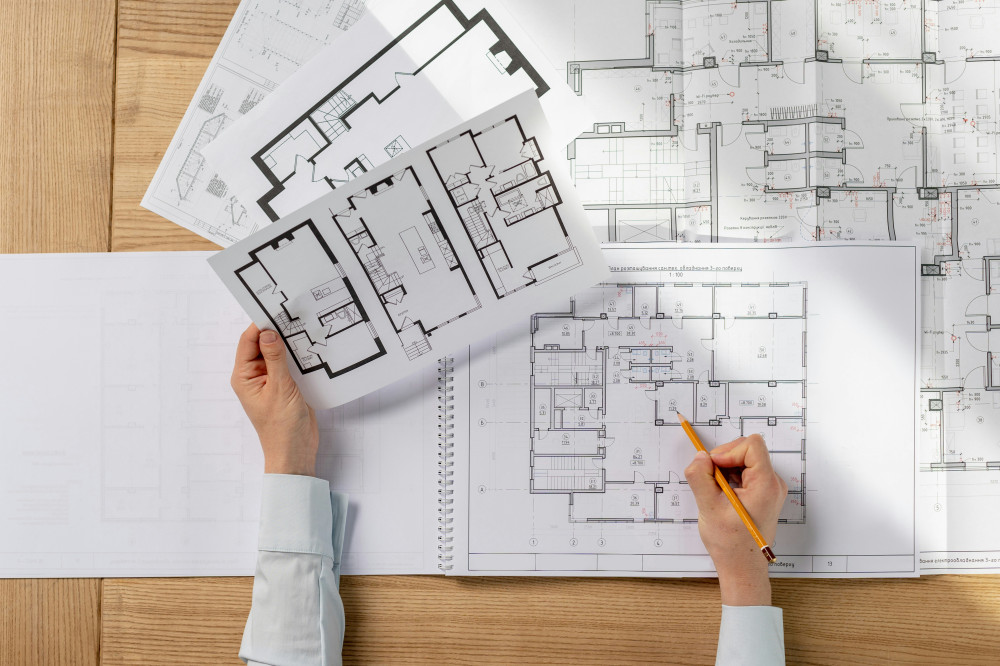
Comprehensive planning is an approach that connects architecture, engineering, cost, sustainability, and user experience into one coherent framework. Instead of making isolated decisions, you consider how each choice affects the whole project over time.
A simple example: the choice of insulation affects not only energy performance but also indoor comfort and the building’s external appearance. A comprehensive approach ensures that optimising one aspect doesn’t compromise another.
Start with a Clear Vision
Every successful project begins with a clear vision. What do you want to achieve with your building? Is it a low-energy home, a flexible workspace, or a structure that can adapt to future needs? The clearer your goals, the easier it becomes to make consistent decisions.
Write a short statement describing the project’s purpose and values – this will serve as your compass throughout the process. Share it with your architect, engineer, and contractor so everyone works from the same understanding.
Think Big Before You Think Small
It can be tempting to choose finishes, fixtures, and colours early on, but comprehensive planning starts with the big picture: site layout, orientation, spatial flow, and energy concept. Once these foundations are in place, the details will fall naturally into line.
Ask yourself:
- How will the building be used – now and in ten years?
- How does it relate to its surroundings?
- Which technical solutions best support the overall vision?
By focusing on the whole first, you’ll find that the details later on make more sense and fit better within the overall design.
Balancing Function, Aesthetics, and Budget
A successful building balances three key factors: function, aesthetics, and budget. If one dominates, the others often suffer. Comprehensive planning is about finding the point where all three align.
- Function: The building must work well in daily use – with logical layouts, good accessibility, and a healthy indoor environment.
- Aesthetics: The design should bring joy and identity to both users and the wider community.
- Budget: Costs must be controlled – not only during construction but also in operation and maintenance.
By integrating these elements from the start, you avoid costly compromises later in the process.
Involve the Right Professionals Early
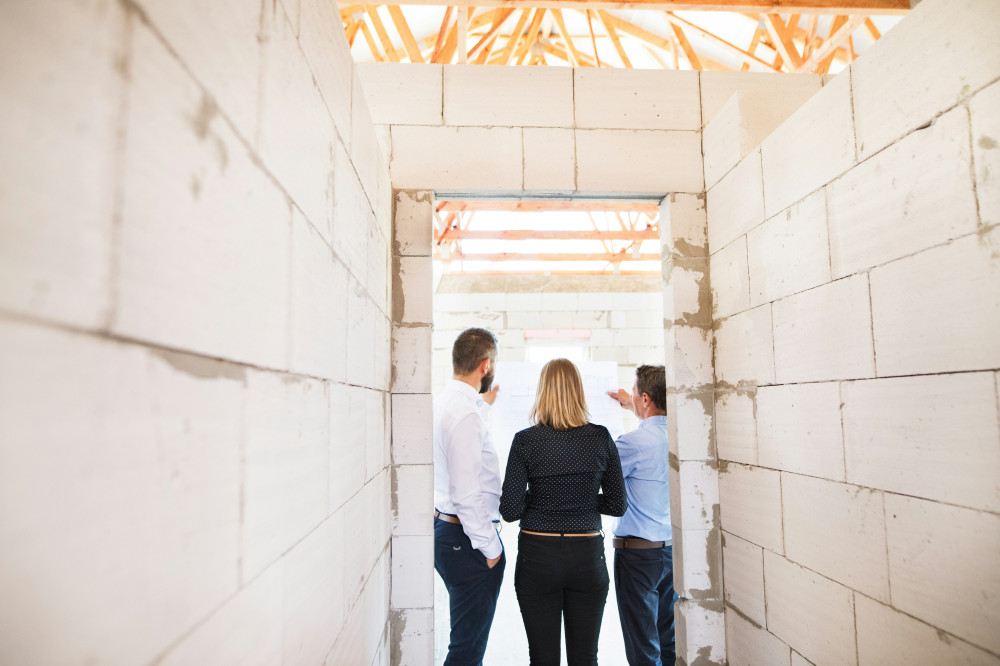
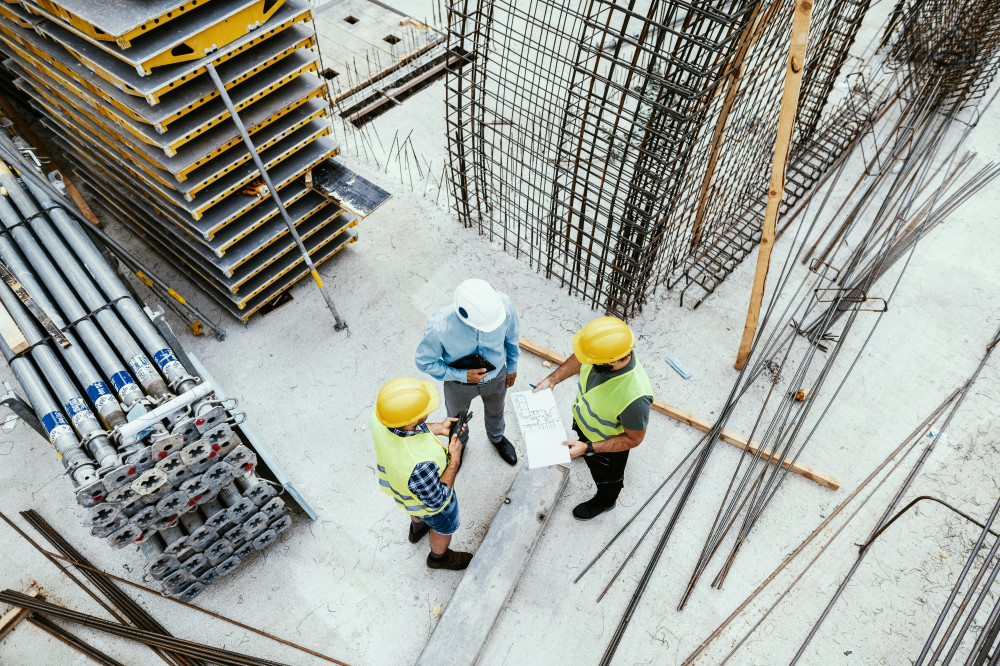
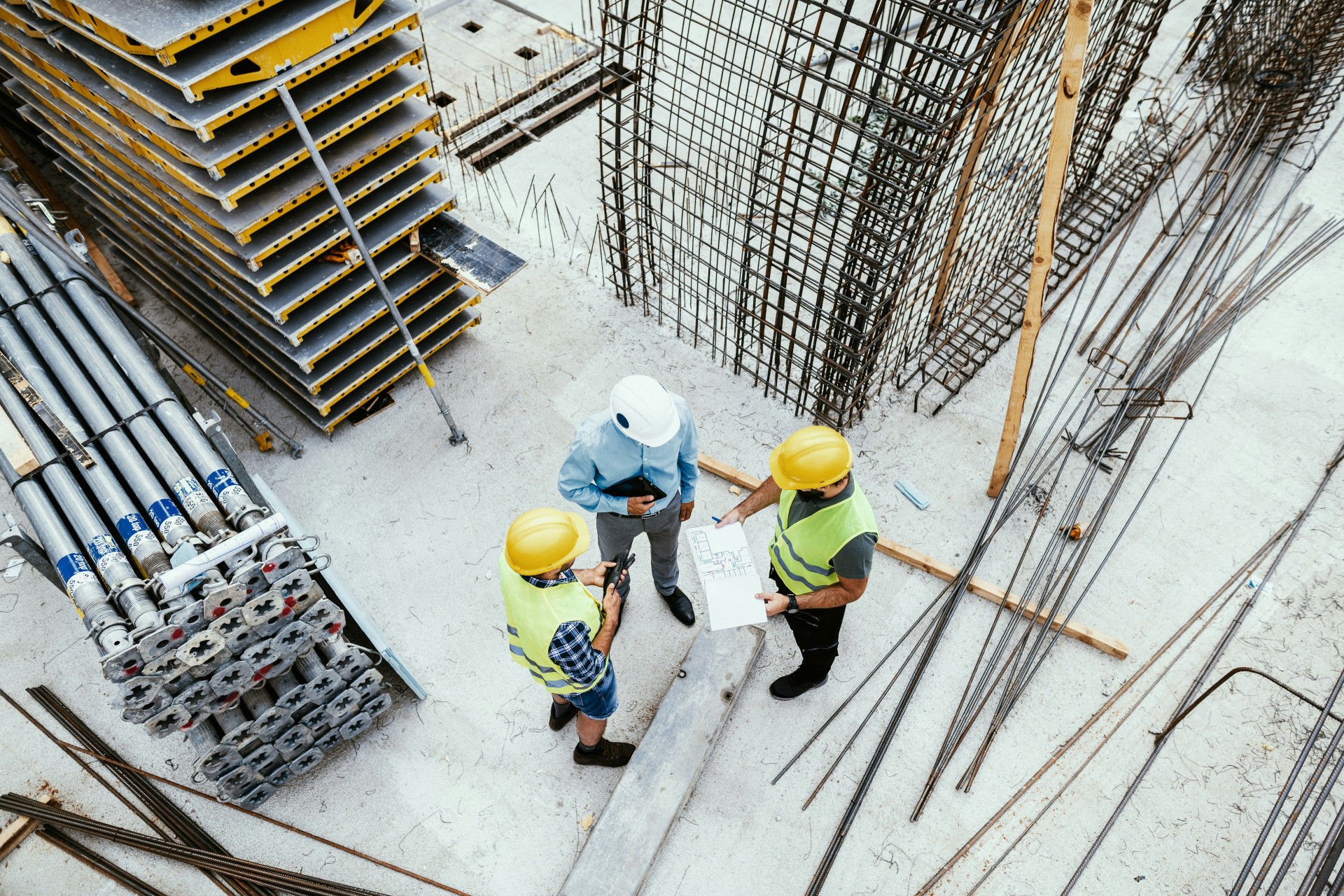
Comprehensive planning is a collaborative effort. Architect, engineer, landscape designer, and client should all be involved from the beginning. Early collaboration allows potential conflicts to be identified and resolved before they become expensive problems.
For example, an architect might propose large windows to maximise daylight, while the engineer highlights the need for solar shading and energy control. When these perspectives meet early, you can find a solution that is both visually appealing and technically sound.
Læs også:
Use the Plan as a Management Tool
A comprehensive plan is not a static document but a living tool. It should guide decisions throughout the entire construction process. When changes arise – as they inevitably do – you can return to the plan and ask: does this still support our overall goals?
This approach helps maintain direction even as the project evolves. Many clients find that a clear plan actually provides more freedom, as it gives confidence in decision-making.
Integrate Sustainability from the Start
Sustainability is an essential part of comprehensive planning. It’s not just about materials but about the entire life cycle of the building – energy use, adaptability, maintenance, and potential for reuse. The earlier sustainability is considered, the easier and more cost-effective it is to implement.
Consider:
- Can the building adapt to future needs?
- Are the materials durable and easy to maintain?
- How does the design influence energy consumption?
A sustainable plan adds long-term value – for both the environment and the economy.
Comprehensive Planning Brings Clarity and Direction
Construction projects can be complex, but a comprehensive plan makes them manageable. It gathers all decisions into one framework and ensures you don’t lose sight of the bigger picture. The result is a building that feels coherent – in design, function, and quality.
Ultimately, comprehensive planning is about creating meaning in the process. When you understand why you make each decision, it becomes easier to stand by them – and to build something that lasts for years to come.
Læs også: