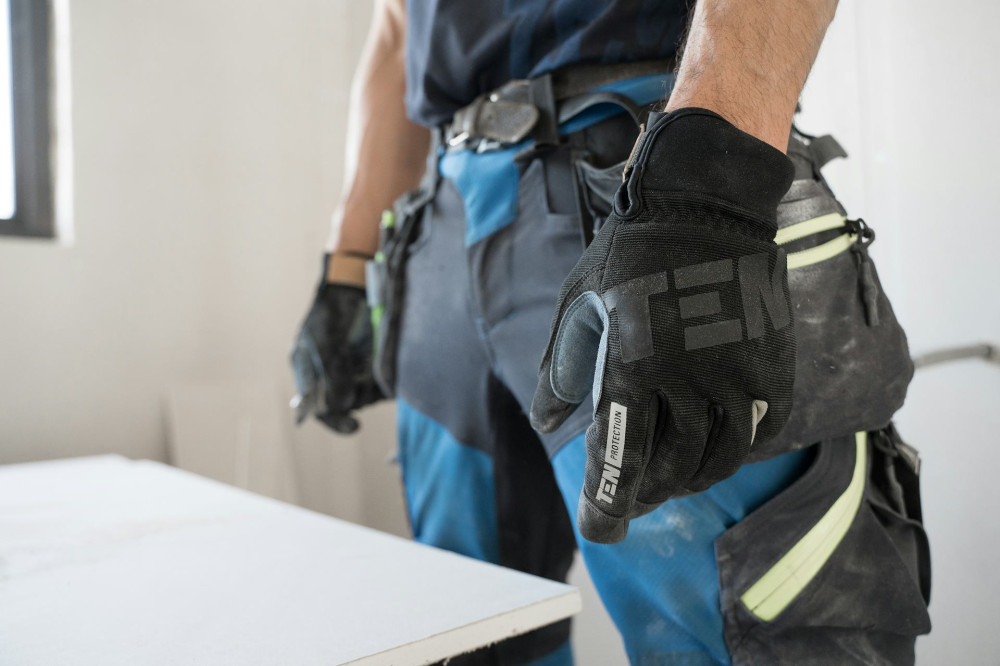
Digital Work Gloves: Touch Features That Make the Job Easier

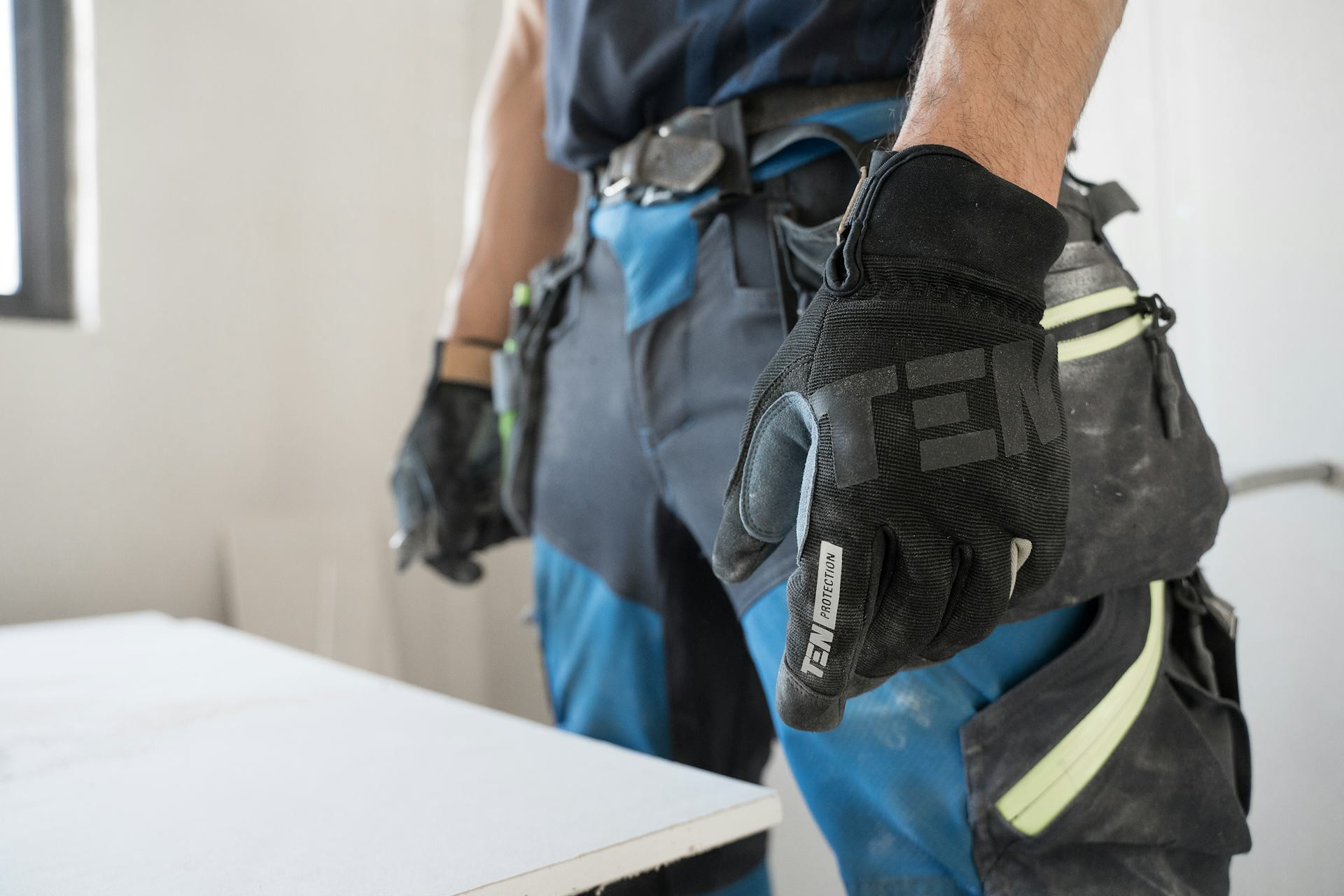
Digital Work Gloves: Touch Features That Make the Job Easier
As digital tools become standard on construction sites, in workshops, and across industry, workwear is evolving to keep up – including gloves. Where workers once had to remove their gloves to use a smartphone, tablet, or machine touchscreen, modern digital work gloves make it possible to stay connected and efficient without interruption. They combine protection, comfort, and technology in a way that makes everyday tasks smoother and safer.
What Are Digital Work Gloves?
Digital work gloves are designed with conductive materials in the fingertips that allow you to operate touchscreens. This means you can use your phone, scan barcodes, take photos of your work, or control digital tools – all without taking your gloves off.
They come in many forms, from lightweight assembly gloves to heavy-duty models offering cut or cold protection. What they all share is a balance between functionality and the safety standards required on the job.
Everyday Advantages
Being able to use touchscreens without removing your gloves might sound like a small convenience, but in practice it makes a big difference.
- Fewer interruptions: No need to constantly take gloves off and put them back on.
- Better hygiene and safety: Gloves stay on, reducing the risk of injury, dirt, or exposure to cold.
- Higher efficiency: You can document work, communicate with colleagues, or check digital plans directly on site.
- Comfort all year round: Many models are breathable and flexible, suitable for both indoor and outdoor use in all seasons.
For many tradespeople, engineers, and technicians, this simple feature helps the workday flow more smoothly – especially as digital tools become part of nearly every task.
The Materials and Technology Behind the Touch Function
The touch capability in digital work gloves is achieved by weaving conductive fibres – often silver or copper threads – into the fingertips. These materials mimic the electrical properties of human skin, allowing the screen to register touch.
At the same time, the glove must remain durable, grippy, and comfortable. That’s why the conductive fibres are combined with synthetic materials such as nylon, spandex, or microfibre, which provide flexibility and strength. Some gloves have touch capability across the whole hand, while others limit it to key fingers like the thumb and index finger.
Choosing the Right Pair
When selecting digital work gloves, it’s important to consider your specific job and working conditions.
- For precision work: Choose a thin, flexible glove with good tactile sensitivity.
- For outdoor use: Look for insulation and water-resistant materials.
- For heavy-duty tasks: Opt for reinforced areas and high abrasion resistance.
- For electronics or assembly work: Antistatic (ESD) gloves may be required.
Trying on different models can help, as fit and flexibility vary. A well-fitting glove not only feels better but also improves control and safety.
Care and Durability
Although digital work gloves are built to last, proper care extends their lifespan. Wash them according to the manufacturer’s instructions – usually at a low temperature – and avoid drying them directly on radiators or in tumble dryers. This helps preserve both the fabric and the conductive fibres.
If the touch function starts to weaken, it may be due to dirt or wear on the fingertips. A gentle clean can often restore performance, but over time the conductive material will naturally degrade, and the gloves should be replaced.
Læs også:




The Future of Work Gloves
Innovation doesn’t stop at touch capability. Some manufacturers are experimenting with gloves that include sensors to measure hand movement, temperature, or vibration – all aimed at improving safety and efficiency. Digital work gloves are therefore not just a practical tool but also a step towards a more connected and data-driven workplace.
A Small Detail with a Big Impact
Digital work gloves show how small technological improvements can make a noticeable difference in everyday work. When you can use your digital tools without compromising safety or comfort, the job becomes easier, faster, and more efficient. It’s a clear example of how modern workwear continues to evolve to meet the demands of the digital age.
Læs også: