Vest or Jacket? Why Many Tradespeople Prefer the Vest


Vest or Jacket? Why Many Tradespeople Prefer the Vest
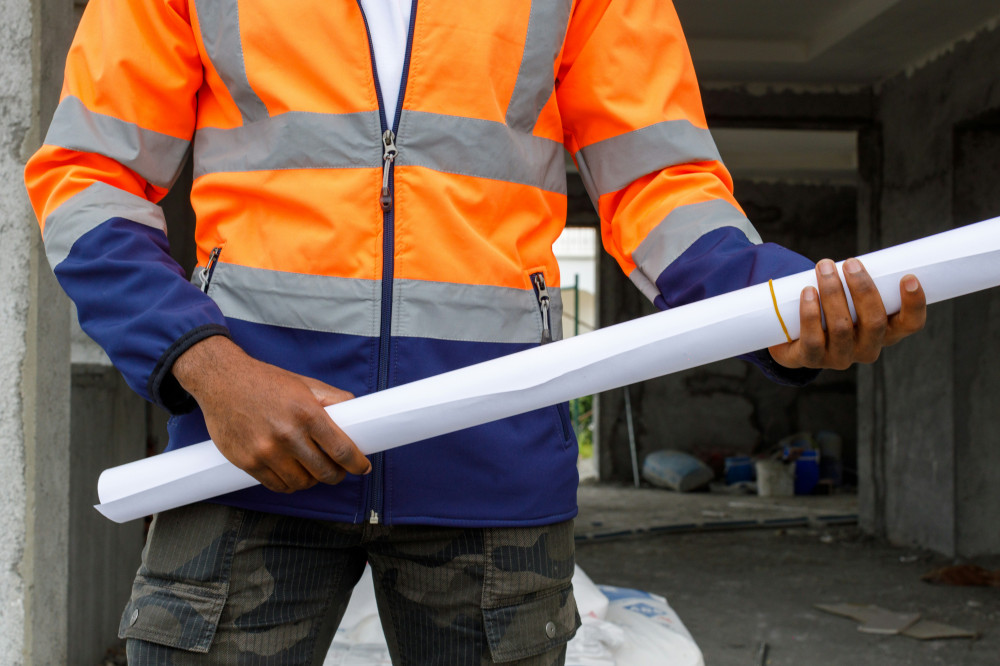
If you walk onto a British building site, into a workshop, or visit a tradesperson on a service call, you’ll often notice one piece of clothing that keeps turning up: the work vest. From carpenters and electricians to plumbers and fitters, the vest has become a staple of the modern trades wardrobe. But what makes so many professionals choose a vest over a jacket? The answer lies in freedom of movement, comfort, and practicality on the job.
Freedom to Move
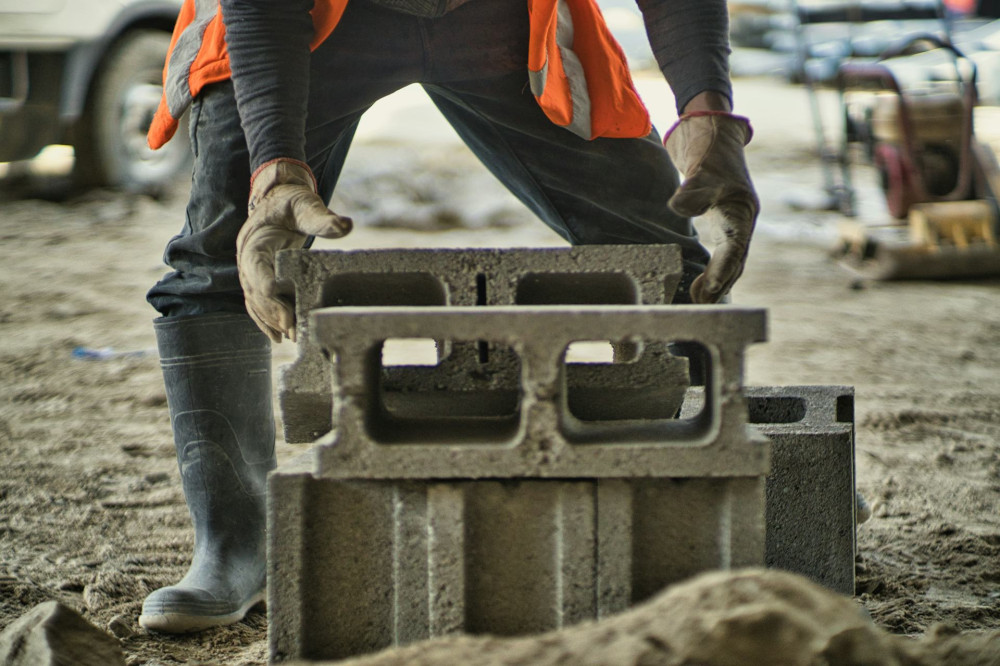
One of the biggest advantages of a vest is the unrestricted movement it offers. When you’re reaching overhead, climbing scaffolding, or working in tight spaces, a jacket can quickly feel bulky. Sleeves can catch on tools or materials, and thick fabric can make it harder to move freely.
A vest eliminates that problem. It keeps your core warm while leaving your arms free, making it ideal for tasks that require precision and flexibility. For tradespeople who spend their days bending, stretching, and lifting, that freedom can make a real difference.
Layering for All Seasons
Many tradespeople use the vest as part of a layering system. On cold mornings, it can be worn over a fleece or hoodie; on milder days, it works perfectly as an outer layer. This makes it easy to adapt to changing temperatures throughout the day, whether you’re working indoors or outside.
Unlike a jacket, which can quickly become too warm, a vest helps regulate body temperature more evenly. It traps heat where it’s needed most – around the torso – while allowing excess warmth to escape through the arms. The result is less sweating and greater comfort from start to finish.
Pockets and Practical Design
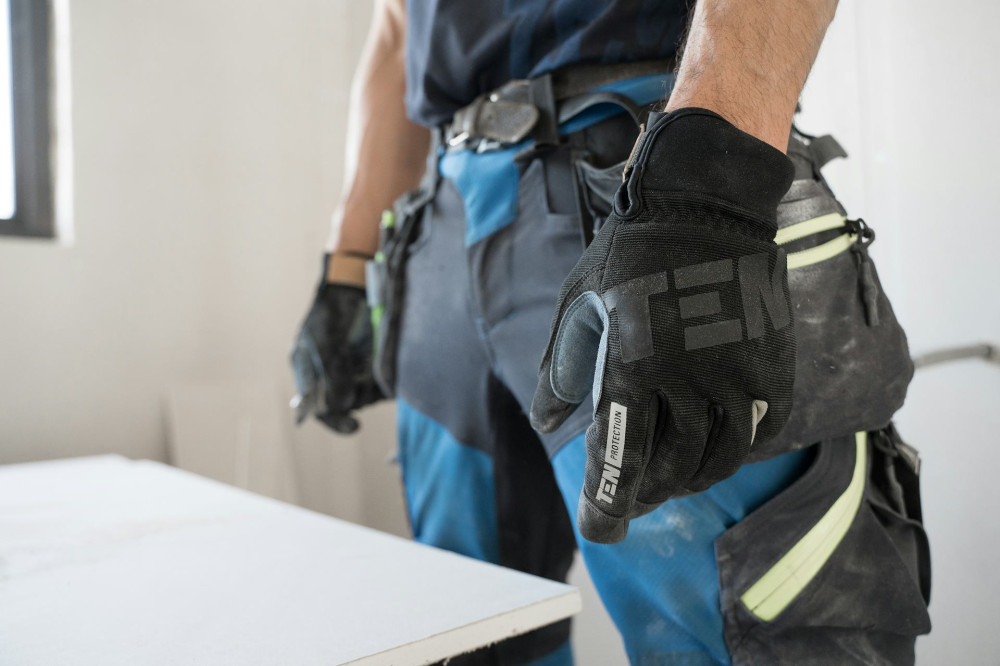
Another reason for the vest’s popularity is its practical design. Most work vests are made with tradespeople in mind: large chest pockets for tape measures and phones, inner pockets for documents, and smaller compartments for screws, bits, and pencils.
Some models even feature detachable pockets or reinforced sections, allowing them to double as a lightweight alternative to a tool belt. Having everything you need within easy reach saves time and keeps your hands free for the job at hand.
Built to Last
Modern work vests are made from tough, durable materials such as polyester, cotton canvas, or softshell fabrics. They’re designed to withstand daily wear, dirt, and frequent washing, while remaining lightweight and breathable.
Softshell vests are especially popular among those who work outdoors. They combine wind resistance with flexibility and comfort. For colder conditions, insulated or quilted versions provide extra warmth without adding bulk – perfect for early mornings on site or draughty workshops.
A Matter of Style and Identity
For many tradespeople, the vest isn’t just about function – it’s also part of their professional identity. It signals skill, readiness, and pride in the trade. A well-fitted vest looks smart and practical, helping to create a professional impression when meeting clients or working alongside other contractors.
Many companies now include branded vests as part of their team uniform, complete with logos and colours that match the business. It’s a simple way to promote a consistent, professional image while giving employees clothing that works as hard as they do.
Læs også:



When the Jacket Still Wins
Of course, there are times when only a jacket will do. In heavy rain, snow, or strong winds, a jacket provides full protection for the upper body and arms. For outdoor work in harsh weather, it’s still the best option.
That’s why most tradespeople keep both in their kit – a reliable jacket for the cold and wet, and a versatile vest for everything in between. With both options on hand, they can dress for any condition and stay comfortable all day long.
Conclusion: The Everyday Favourite
The vest has earned its place in the everyday life of British tradespeople. It combines practicality, comfort, and freedom of movement in a way few other garments can. Whether worn as part of a layered outfit or on its own, it’s a flexible choice that suits a wide range of jobs and weather conditions.
In short: the jacket protects, but the vest works with you.
Læs også: