Protect Your Hearing – How to Guard Against Noise at Work


Protect Your Hearing – How to Guard Against Noise at Work
Noise is one of the most underestimated risks in many workplaces. Loud sounds from machinery, tools or traffic can gradually damage your hearing – often without you noticing until it’s too late. Hearing loss is permanent, but the good news is that it can be prevented with the right knowledge and habits. Here’s a guide to help you protect your hearing and create a healthier sound environment at work.
Why Noise Is Dangerous
Your ears are delicate organs, and the tiny hair cells in the inner ear can be damaged if exposed to too much noise. The damage happens gradually, and many people only realise there’s a problem when they start struggling to follow conversations or experience a constant ringing in the ears – known as tinnitus.
As a rule of thumb, noise above 85 decibels (dB) can be harmful if you’re exposed to it for long periods. That’s roughly the sound level of a lawnmower or a busy construction site. The louder the noise, the less time it takes to cause damage.
Læs også:


Know the Noise Sources in Your Workplace
Noise isn’t just a problem in factories or on building sites. Many offices, workshops and warehouses also have sound levels that can be harmful. Common sources of noise include:
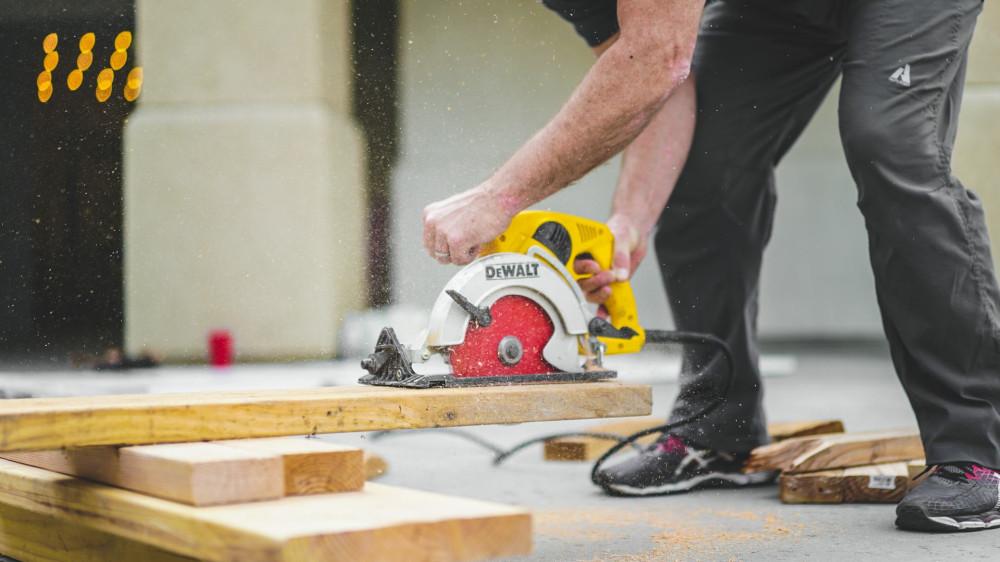
- Power tools and machinery – such as drills, grinders and compressors.
- Vehicles and transport equipment – including forklifts, lorries and cranes.
- Ventilation and extraction systems – constant background noise that can be tiring.
- Conversations and phones – especially in open-plan offices where many people talk at once.
The first step towards better hearing protection is to identify where the noise comes from and how long you’re exposed to it.
Use Hearing Protection – and Use It Properly
Hearing protection is the most effective way to guard against noise, but only if it’s used correctly. There are several types available:
- Earplugs – small, discreet and suitable for shorter periods or moderate noise.
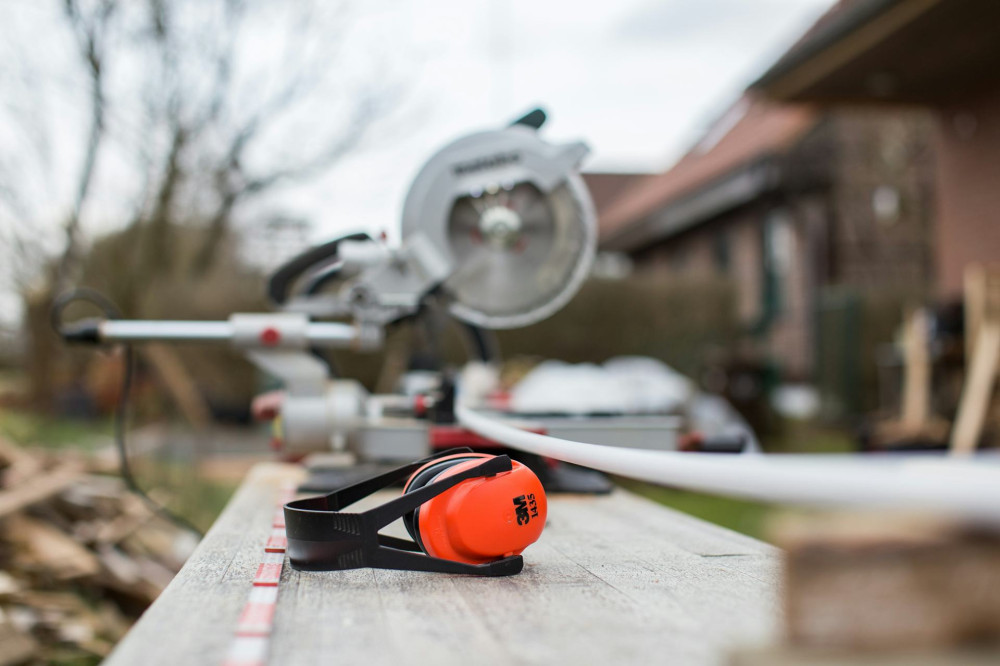
- Earmuffs – cover the entire ear and provide stronger protection at higher noise levels.
- Electronic hearing protectors – automatically reduce loud sounds while allowing you to hear speech and warning signals.
Make sure your hearing protection fits well and seals properly. Even small gaps can significantly reduce its effectiveness. If you work in noisy conditions for many hours a day, choose protection that’s comfortable enough to wear all day.
Create a Better Sound Environment
Prevention isn’t just about personal equipment. Many workplaces can reduce noise by improving the environment:
- Maintain machinery – worn parts and loose fittings can increase noise levels.
- Install sound-absorbing materials – such as acoustic panels, carpets or partitions.
- Plan work schedules – carry out the noisiest tasks when fewer people are present.
- Isolate noisy equipment – use barriers or separate rooms for loud machines.
Small changes can make a big difference – both for your hearing and for the overall working environment.
Give Your Ears a Break
Even with hearing protection, your ears need rest. If you work in a noisy environment, take regular breaks in quiet areas. This gives your hearing a chance to recover and helps reduce fatigue and headaches.
Outside work, think about your total noise exposure. Music through headphones, traffic and nightlife can all add up. Give your ears some quiet time whenever possible.
Get Your Hearing Checked
A hearing test takes only a few minutes and can detect early signs of damage before it becomes serious. Many employers in the UK offer free hearing checks as part of their health and safety programme. If you notice ringing, buzzing or reduced hearing, contact your GP or an audiologist.
Early detection makes it easier to prevent further damage – and helps you maintain your quality of life.
An Investment in the Future
Protecting your hearing isn’t just about avoiding discomfort today. It’s about preserving one of your most important senses for life. Good hearing helps you communicate, stay connected and enjoy music and the sounds of nature.
With simple habits – using hearing protection, taking breaks and being aware of noise levels – you can protect yourself and your colleagues from an invisible but serious risk.
Læs også: