Stainless Everyday Life: How to Maintain Your Metal Parts Properly

Stainless Everyday Life: How to Maintain Your Metal Parts Properly
Metal is one of the most durable and versatile materials in any British home – from kitchen sinks and taps to garden furniture, bicycles, and tools in the shed. But even the toughest surfaces need a bit of care to stay shiny and resist the wear and tear of everyday life. With the right maintenance, you can extend the lifespan of your metal parts and prevent rust, discolouration, and unnecessary damage. Here’s a practical guide to keeping your metal in top condition – indoors and out.
Know Your Metal – and Its Needs
Before you start cleaning or polishing, it’s important to know what kind of metal you’re dealing with. Different metals react differently to moisture, cleaning agents, and air exposure.
- Stainless steel is resistant to corrosion but can still develop marks or stains if exposed to salt, acid, or hard water.
- Brass and copper naturally develop a patina over time – a greenish or brownish layer that some people love, but which can be polished away if you prefer a bright finish.
- Aluminium is lightweight and strong, but can become dull or develop white spots if not protected from moisture.
- Iron and untreated steel need special attention, as they rust quickly when exposed to water or condensation.
Knowing your material is the first step to choosing the right care method and avoiding damage.
Cleaning – Gentle but Effective
Regular cleaning is key to keeping metal surfaces looking their best. Use mild cleaning products and avoid abrasive powders or steel wool, which can scratch the surface.
- For stainless steel: Use warm water, a soft cloth, and a drop of washing-up liquid. Wipe dry with a microfibre cloth to prevent water spots.
- For brass and copper: A natural polish made from vinegar, salt, and flour works wonders. Apply it, leave it for a few minutes, then buff with a dry cloth.
- For aluminium: Use a mild soap solution and rinse thoroughly. Avoid alkaline cleaners, as they can damage the surface.
Always dry metal thoroughly after cleaning – moisture is the biggest enemy when it comes to rust and tarnish.
Prevent Rust and Corrosion
Even stainless steel can rust if exposed to harsh conditions. Good maintenance is as much about prevention as it is about cleaning.
- Keep surfaces dry: Always wipe down metal parts after use, especially in kitchens and bathrooms.
- Use protective oil or wax: A thin layer of acid-free oil or specialist wax can create a barrier against moisture.
- Avoid contact between different metals: When dissimilar metals touch in damp conditions, galvanic corrosion can occur.
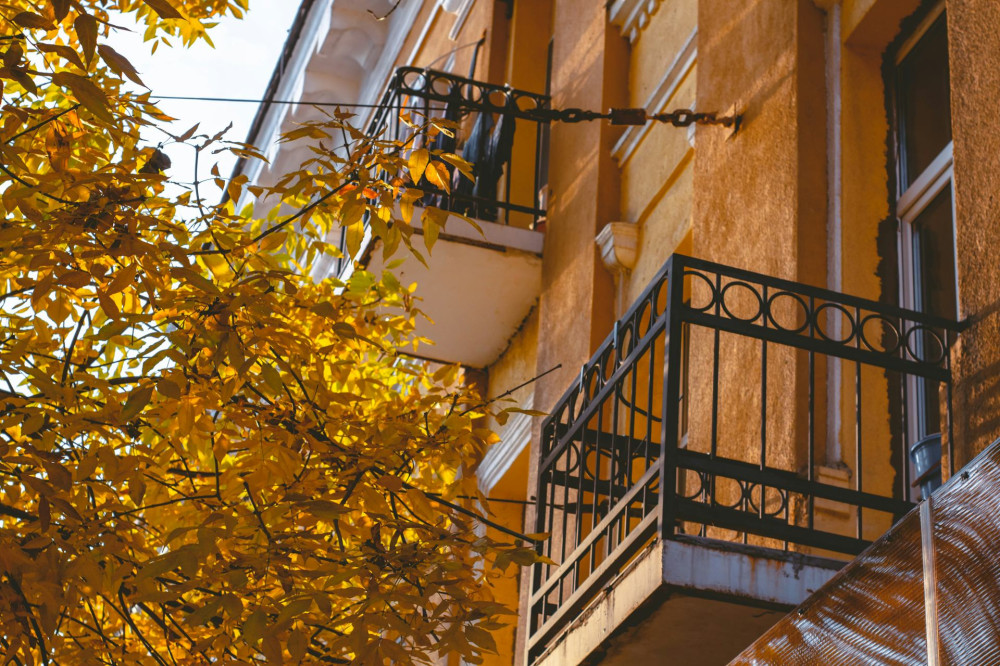
- Inspect outdoor metal regularly: Fences, garden furniture, and tools should be checked for early signs of rust and treated with rust-resistant paint or oil.
Small, regular steps can make a big difference in how long your metal parts stay attractive and functional.
Remove Early Rust – Before It Spreads
If you spot small rust patches, act quickly. The longer rust is left, the harder it becomes to remove.
- Start with a soft brush or sponge to remove loose rust.
- Apply a mild rust remover – or make your own with lemon juice and bicarbonate of soda.
- Rinse and dry thoroughly, then apply a protective oil or coating.
For more severe rust, you may need to sand the surface lightly and repaint with a rust-inhibiting primer and topcoat.
Læs også:
Caring for Outdoor Metal
Outdoor metal parts face rain, frost, and sun, so they need extra protection. Garden furniture, railings, and tools should be cleaned and treated at least once a year.
- Use weather-resistant paint or lacquer on metal surfaces that stay outside year-round.
- Store tools in a dry place – ideally in a shed or under cover.
- Cover garden furniture in winter, or bring it indoors if possible.
A little effort in autumn can save you a lot of work when spring arrives.
A Stainless Everyday Life Takes Routine
Maintaining metal parts isn’t about big projects – it’s about small, consistent habits. A quick wipe after use, an annual check of outdoor metal, and a touch of oil now and then can greatly extend their lifespan. It’s economical, sustainable, and keeps your home looking smart year after year.
Læs også: