Asbestos Roof for Your House? Here Are the Most Important Things to Consider

Asbestos Roof for Your House? Here Are the Most Important Things to Consider
For many decades, asbestos cement roofing was a common sight on British homes, garages, and farm buildings. It was durable, affordable, and easy to install. However, since the health risks of asbestos became widely known, its use has been strictly controlled and eventually banned. If you live in an older property or are considering replacing your roof, it’s important to understand what asbestos roofing means for you. Here’s what you need to know before making any decisions.
What Is an Asbestos Roof?
Asbestos roofs are typically made from asbestos cement sheets – a mixture of cement and asbestos fibres that was used to strengthen and stabilise the material. These sheets were popular from the 1950s through the 1980s for their strength, fire resistance, and low cost.
In the UK, the use of asbestos in construction was banned in 1999, and asbestos cement products have not been legally manufactured or sold since then. However, many older buildings still have asbestos-containing materials (ACMs) in place, including roof sheets, soffits, and gutters.
Læs også:
Is an Asbestos Roof Dangerous?
Asbestos is not dangerous if it is in good condition and left undisturbed. The risk arises when the material is damaged, drilled, or broken, releasing microscopic fibres into the air. Inhalation of these fibres can cause serious health conditions such as asbestosis, lung cancer, and mesothelioma.
If you suspect your roof contains asbestos, do not attempt to remove or repair it yourself. Always seek professional advice from a licensed asbestos surveyor or removal contractor. They can test the material and advise on the safest course of action.
What Are Your Options?
If your asbestos roof is intact and not deteriorating, you may be able to leave it in place and simply monitor its condition. Regular inspections can help ensure it remains safe.
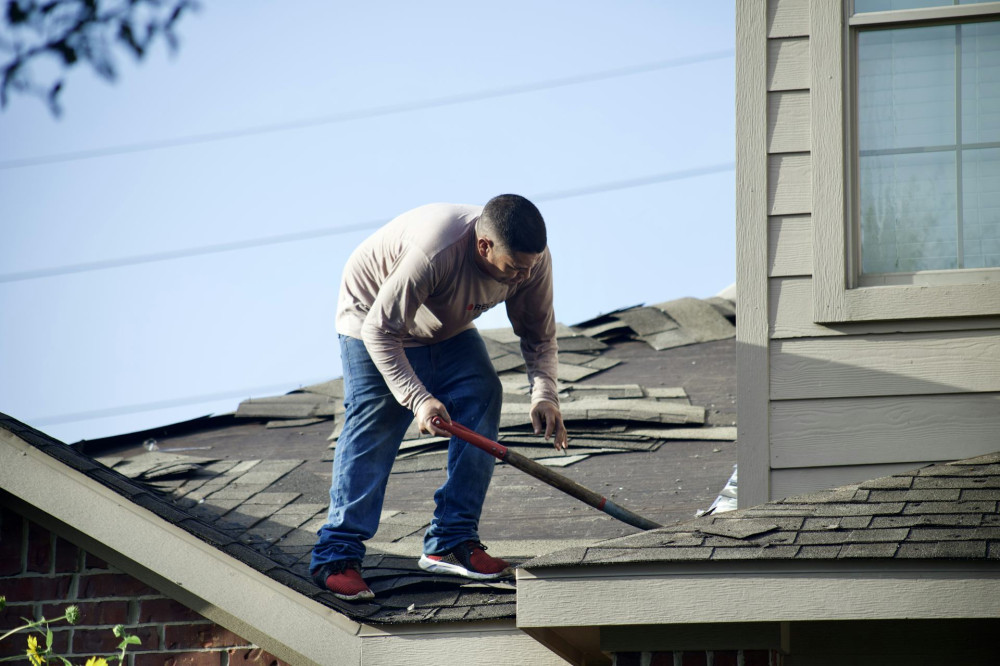
If the roof is damaged or nearing the end of its life, you’ll need to consider professional removal and replacement. Only contractors licensed by the Health and Safety Executive (HSE) should handle asbestos removal. They follow strict safety procedures for containment, disposal, and decontamination.
Replacing an Asbestos Roof
When replacing an asbestos roof, you’ll need to factor in both removal and replacement costs. Removal costs vary depending on the size and complexity of the job, but you can expect to pay anywhere from £50 to £150 per square metre for safe removal and disposal.
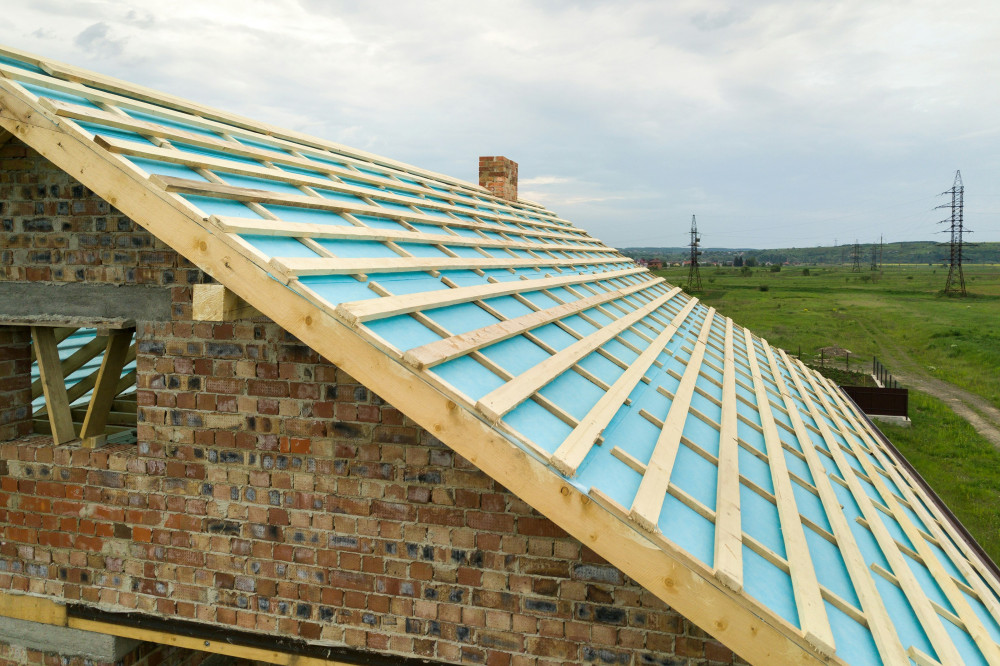
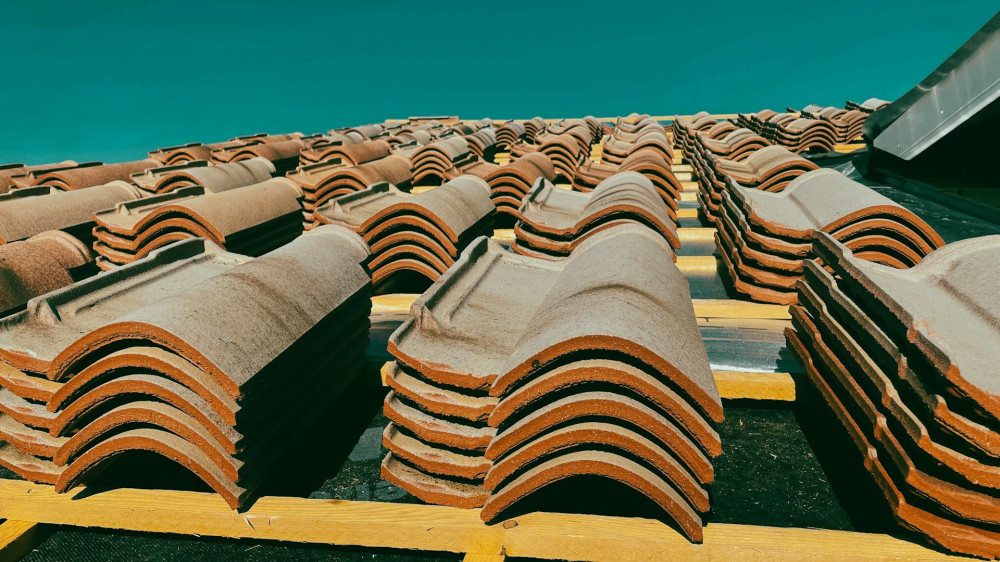
For the new roof, many homeowners choose fibre cement sheets (which are asbestos-free), metal roofing, or slate tiles. Modern fibre cement offers a similar look to traditional asbestos sheets but without the health risks. It’s lightweight, weather-resistant, and available in various colours and profiles.
Legal and Environmental Considerations
In the UK, asbestos waste is classed as hazardous waste and must be disposed of at a licensed facility. You cannot take asbestos materials to a normal recycling centre or landfill. Your contractor will handle the necessary paperwork and ensure compliance with environmental regulations.
If you’re planning to sell your property, you’re legally required to disclose the presence of asbestos to potential buyers. Having a professional asbestos survey and management plan can make the process smoother and more transparent.
Maintenance and Safety Tips
If you decide to keep your asbestos roof for now, follow these safety guidelines:
- Do not drill, cut, or pressure-wash the roof.
- Inspect visually once or twice a year for cracks, moss, or damage.
- Avoid walking on the roof, as asbestos sheets can be brittle and unsafe.
- Keep gutters clear, but handle debris carefully and avoid creating dust.
If you notice any deterioration, contact a professional immediately.
Cost and Value Considerations
While asbestos removal can be costly, replacing an old asbestos roof can increase your property’s value and improve safety. A new roof also offers better insulation and energy efficiency, which can reduce heating costs over time.
Modern alternatives such as fibre cement or metal roofing typically cost between £70 and £120 per square metre (excluding removal), depending on the material and design.
Environmental and Health Benefits of Replacement
Replacing an asbestos roof not only removes a potential health hazard but also contributes to a more sustainable home. New roofing materials are recyclable, energy-efficient, and free from hazardous substances. Many manufacturers now offer products with lower carbon footprints and long warranties.
Conclusion: Safety First, Always
An asbestos roof may not pose an immediate danger if it’s in good condition, but it’s essential to treat it with caution. Never attempt DIY removal, and always consult qualified professionals for inspection and advice. Whether you choose to maintain or replace your asbestos roof, prioritising safety and compliance with UK regulations will protect both your health and your home for years to come.
Læs også: