Prevent Frost Damage in Your Tiled Roof – Here’s How

Prevent Frost Damage in Your Tiled Roof – Here’s How
As winter approaches and temperatures hover around freezing, your tiled roof faces one of its toughest tests. Frost and moisture are a risky combination that can cause tiles to crack or flake – damage that may worsen over time and lead to leaks. Fortunately, with a few simple maintenance steps, you can protect your roof and keep it in good condition for many years. Here’s a practical guide to preventing frost damage in your tiled roof.
What Causes Frost Damage?
Frost damage occurs when water seeps into tiny cracks or pores in the tiles. When the temperature drops, the water freezes and expands, putting pressure on the tile and causing it to crack. Over time, this can weaken the roof and allow water to penetrate the structure.
Older roofs or those with porous tiles are particularly vulnerable, but even newer roofs can suffer if they’re not properly maintained. The key to prevention is keeping your roof clean, dry, and well-ventilated.
Læs også:

Inspect Your Roof Regularly
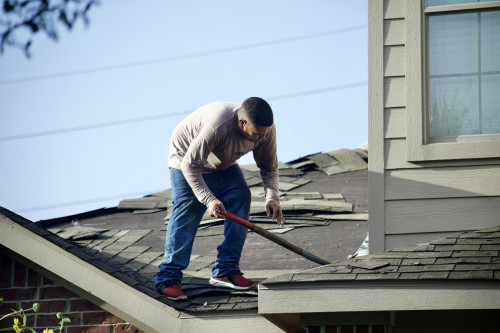
A thorough inspection twice a year – ideally in spring and autumn – is the best way to spot early signs of damage before winter sets in.
- Look for cracks or chips in the tiles. Even small defects can worsen when frost arrives.
- Check ridges, valleys, and flashing, where water and snow tend to collect.
- Watch for moss and algae, which trap moisture and increase the risk of frost damage.
- Clear gutters and downpipes, so rainwater and meltwater can drain away freely.
If you notice any damage, have it repaired before the cold weather begins. Replacing a few tiles now can save you from costly repairs later.
Keep the Roof Clean
Moss, algae, and debris hold on to moisture long after rain or snow, preventing tiles from drying properly. This trapped moisture can freeze and cause cracks.
You can remove moss gently with a soft brush or use an environmentally friendly cleaning solution. Avoid pressure washers, as they can damage the tile surface and force water underneath.
Once the roof is clean, consider applying a breathable water-repellent treatment. This helps tiles shed water more effectively while still allowing moisture from inside the roof to escape.
Ensure Good Ventilation
Proper ventilation in the roof space is essential to prevent condensation and damp. Warm, moist air from inside the house can condense on the underside of the roof if it has nowhere to escape, leading to moisture build-up and frost-related problems.
Check that ventilation openings at the eaves and ridge are clear of insulation, leaves, or debris. Good airflow helps keep the roof structure dry throughout the winter months.
Manage Snow and Ice Build-Up
In parts of the UK that experience heavy snowfall, snow can accumulate on the roof and add extra weight. When it melts and refreezes, ice can form in gutters and block drainage, forcing water back under the tiles.
If necessary, remove snow carefully using a telescopic snow rake from the ground. Never chip away at ice, as this can damage the tiles. In areas prone to ice dams, you might consider installing heating cables in gutters to keep meltwater flowing freely.
Get Professional Advice When Needed
While many maintenance tasks can be done yourself, it’s wise to have a roofing professional inspect your roof every few years. A trained eye can spot early signs of wear that might not be visible to you and recommend the best maintenance plan for your specific roof type.
A professional inspection every three to five years can significantly extend the life of your roof and prevent expensive repairs.
Prevention Is the Best Protection
Frost damage doesn’t happen overnight – it’s the result of moisture being allowed to linger. By keeping your roof clean, dry, and well-ventilated, you can greatly reduce the risk and ensure your tiled roof stays strong through the winter.
A few hours of maintenance each year is all it takes to protect one of your home’s most important structures – and to keep the frost firmly on the outside.
Læs også: