Roof Structure and Energy Efficiency – How Are They Connected?

Roof Structure and Energy Efficiency – How Are They Connected?
A roof is far more than just a house’s “hat” – it’s a complex structure that plays a crucial role in comfort, durability, and energy use. When it comes to improving a home’s energy performance, the roof is one of the most effective places to start. But how exactly does the roof’s structure influence energy efficiency, and what should homeowners in the UK consider when renovating or replacing their roof?
The Layers of a Roof – More Than Tiles and Felt
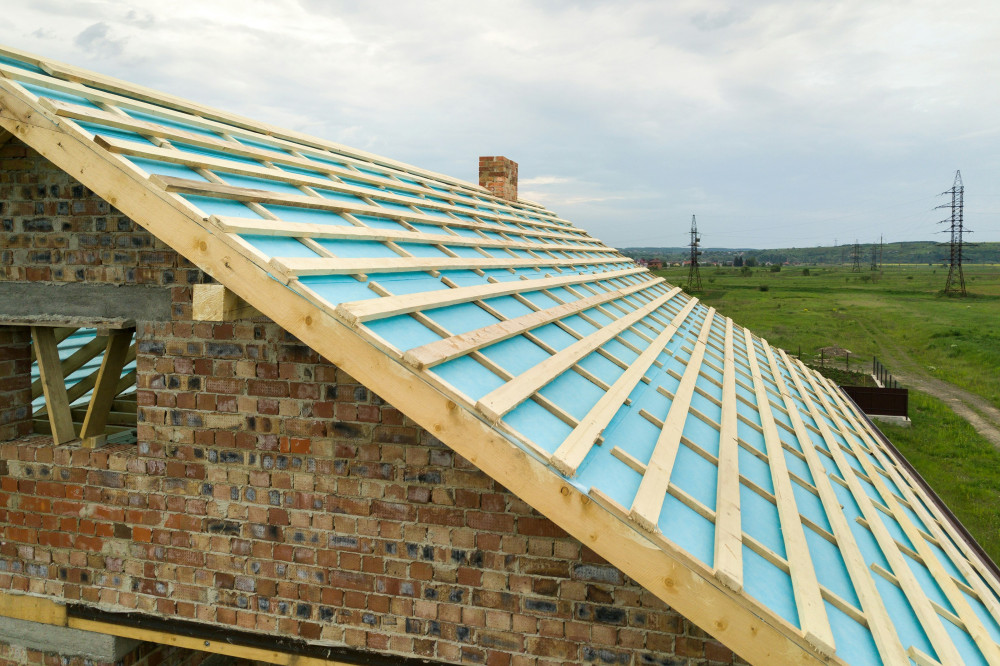
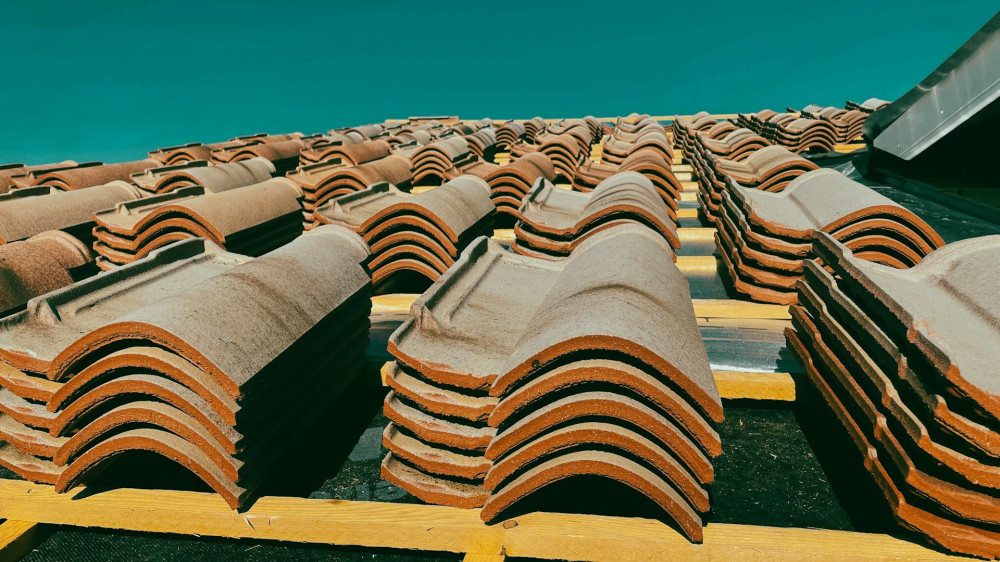
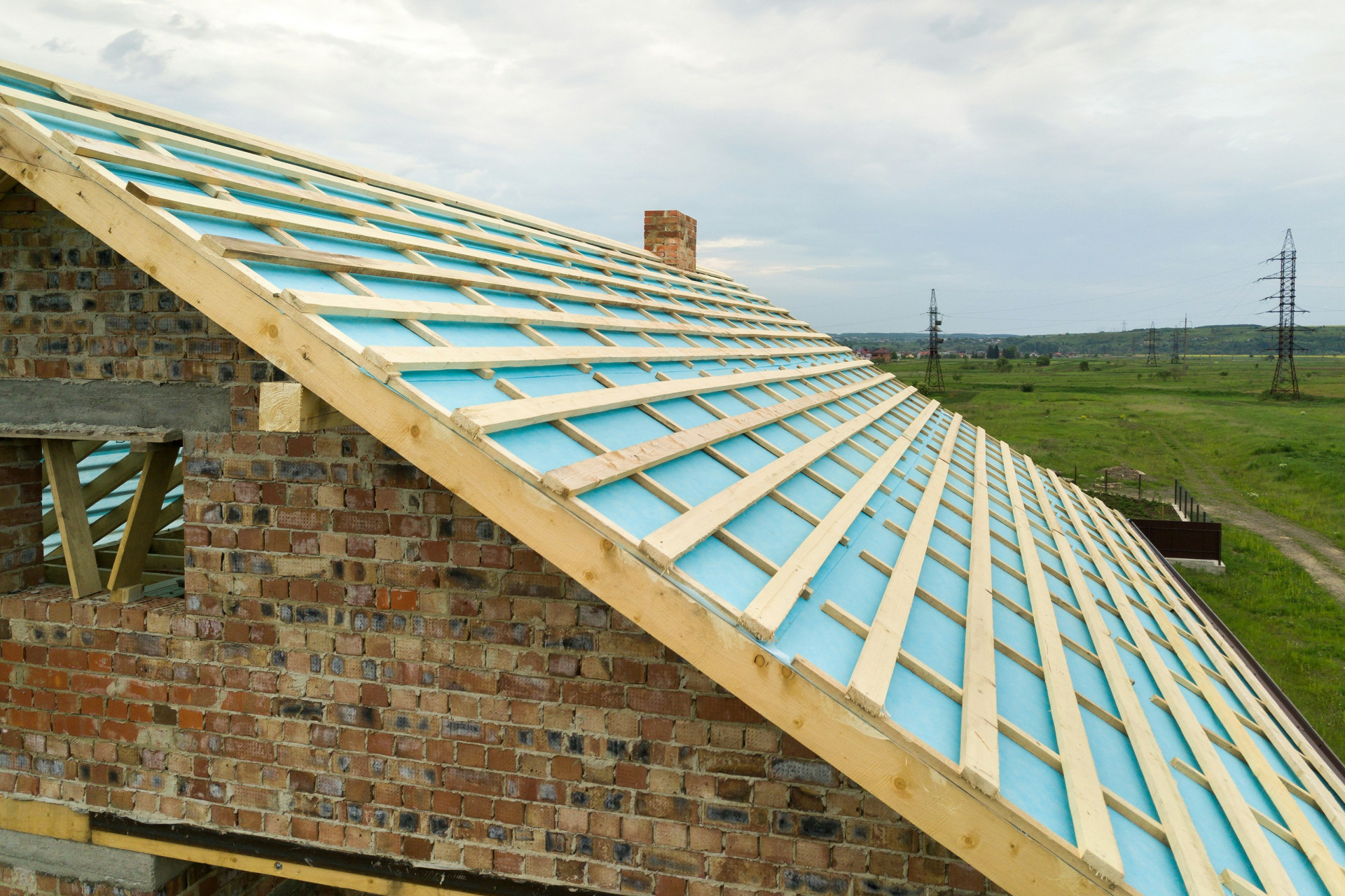
A modern roof is made up of several layers, each serving a specific purpose. On top sits the roof covering – this could be clay tiles, slate, concrete tiles, metal sheets, or bitumen felt. Beneath that lies the underlay, which protects against moisture and wind-driven rain that can penetrate under the outer covering. Then come the insulation, vapour control layer, and internal lining.
- Roof covering – shields the home from the elements and determines much of the roof’s lifespan.
- Underlay – acts as a secondary barrier against moisture while allowing the structure to breathe.
- Insulation – the key to energy efficiency, keeping heat inside during winter and out during summer.
- Vapour control layer – prevents warm, moist air from the living space from entering the roof structure, where it could cause condensation and mould.
When these layers work together, they create a roof that not only protects the building but also contributes to a healthy indoor climate.
Why the Roof Matters for Energy Use
In older UK homes, up to a quarter of heat loss can occur through the roof. Warm air naturally rises, and if the insulation is inadequate, that heat escapes straight out. Improving roof insulation can therefore lead to significant savings on heating bills.
A well-insulated roof also improves comfort. Poor insulation can lead to cold ceilings and draughts, while a roof that’s too airtight without proper ventilation can trap moisture. The right balance between insulation and ventilation is essential for both energy efficiency and building health.
When Energy Upgrades Make Sense
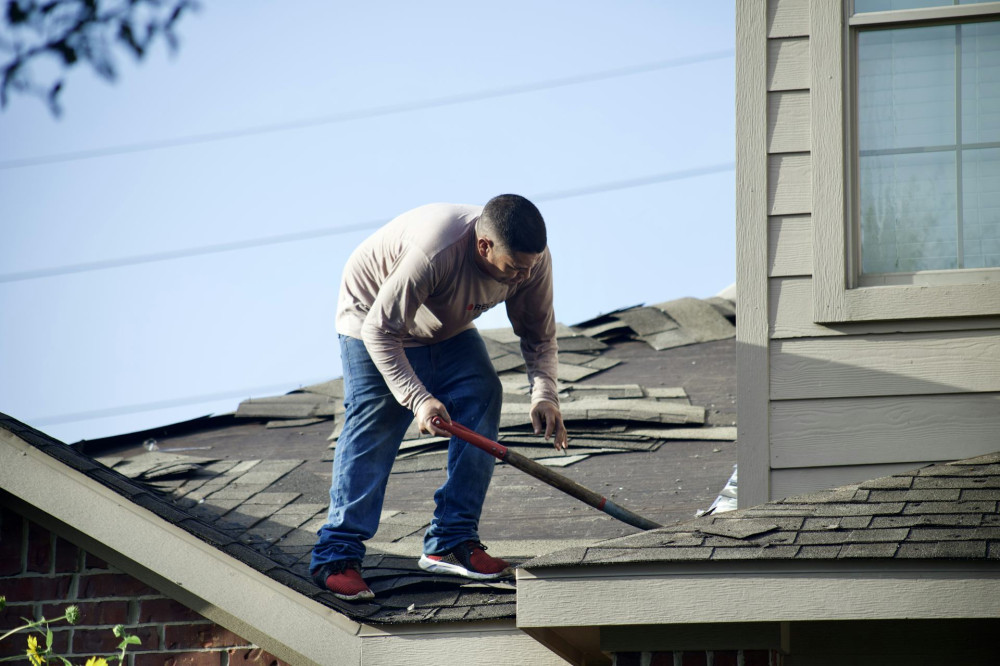
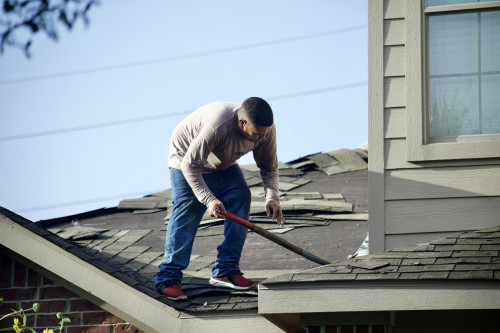
If you’re planning a roof replacement or major renovation, it’s the perfect time to consider energy improvements. Options include:
- Adding or upgrading loft insulation – often the most cost-effective measure.
- Replacing underlay and vapour barriers – improves airtightness and moisture protection.
- Installing solar panels – makes use of the roof surface to generate renewable electricity.
- Creating a green roof – enhances insulation and helps manage rainwater, especially on flat roofs.
Combining several of these measures can reduce energy consumption and increase property value at the same time.
Material Choices and Sustainability
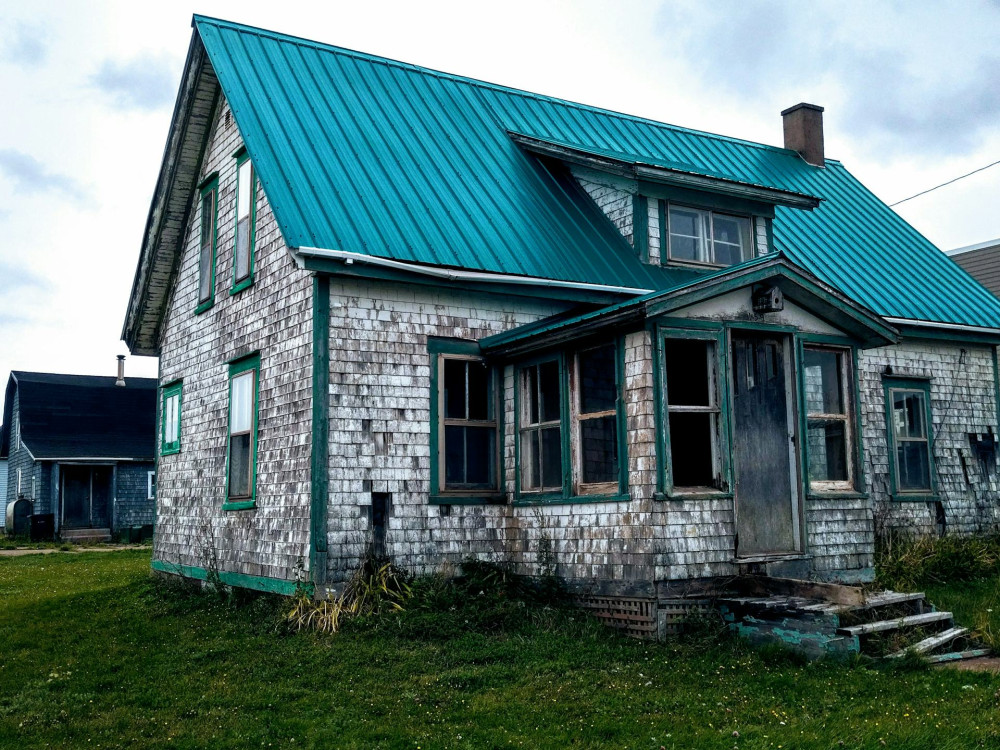
The choice of roofing material affects both energy performance and environmental impact. Clay tiles and natural slate are traditional in the UK and have long lifespans with minimal maintenance. Metal roofs and bitumen systems are lighter and quicker to install. Some modern materials feature reflective coatings that reduce heat absorption during hot weather.
Sustainability isn’t just about the material itself – it’s about the entire life cycle of the roof, from production to disposal. A roof that lasts 70 or 80 years is generally more environmentally friendly than one that needs replacing after 30.
Ventilation – The Overlooked Factor
A well-insulated roof must also be well ventilated to prevent condensation and damp. Loft spaces need to “breathe”, allowing moist air to escape through vents at the eaves and ridge. Without proper ventilation, even high-quality insulation can lose effectiveness, as moisture reduces its thermal performance.
Ventilation should always be part of any energy upgrade, particularly in older British homes that were not originally designed for modern airtightness standards.
Læs også:
A Roof That Pays for Itself
Although roof renovation can be a major investment, it often pays off over time. Lower energy bills, improved comfort, and increased property value are benefits that homeowners can feel every day. In addition, various UK government schemes and local grants may help fund energy efficiency improvements.
An energy-efficient roof is therefore more than a technical upgrade – it’s an investment in your home’s future and in a more sustainable climate.
Læs også: