Avoid Common Mistakes in Brickwork Maintenance

Avoid Common Mistakes in Brickwork Maintenance
Brickwork is one of the most durable and characterful building materials found across the UK, from Victorian terraces to modern homes. But even the toughest brick walls need regular care to stay sound and attractive. Many homeowners make the same mistakes when cleaning or repairing brickwork, which can lead to damp, frost damage, or discolouration. Here’s how to avoid the most common pitfalls and keep your brickwork in top condition for years to come.
1. Don’t overlook the mortar joints
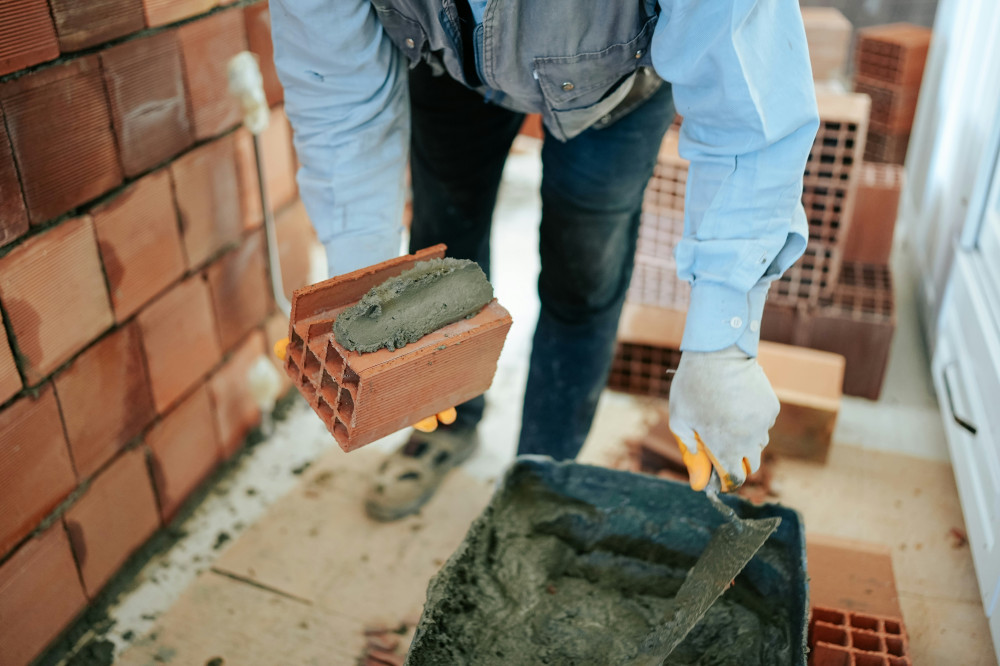
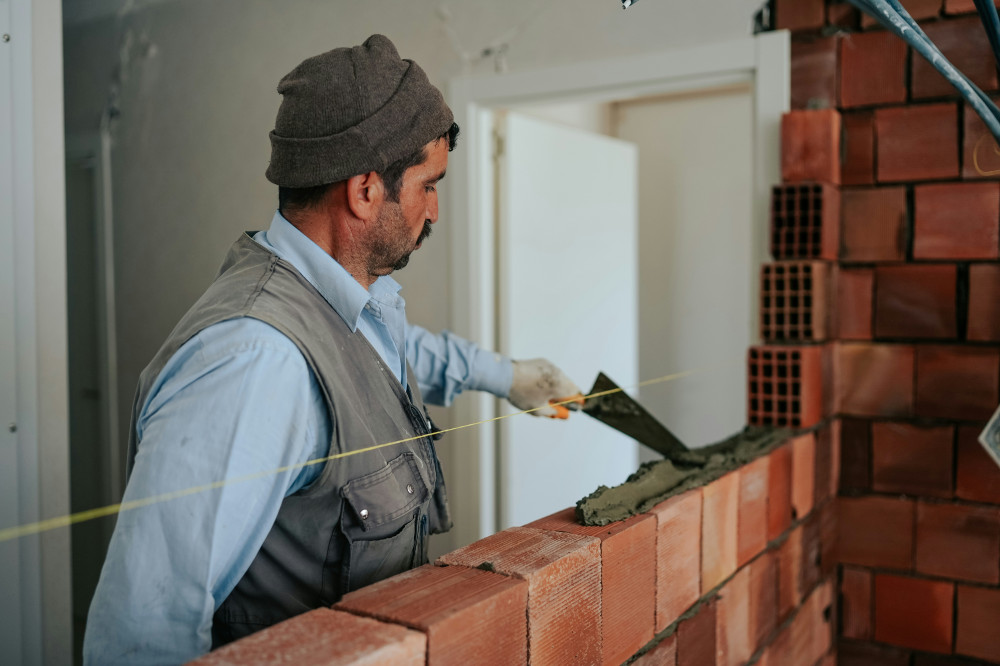
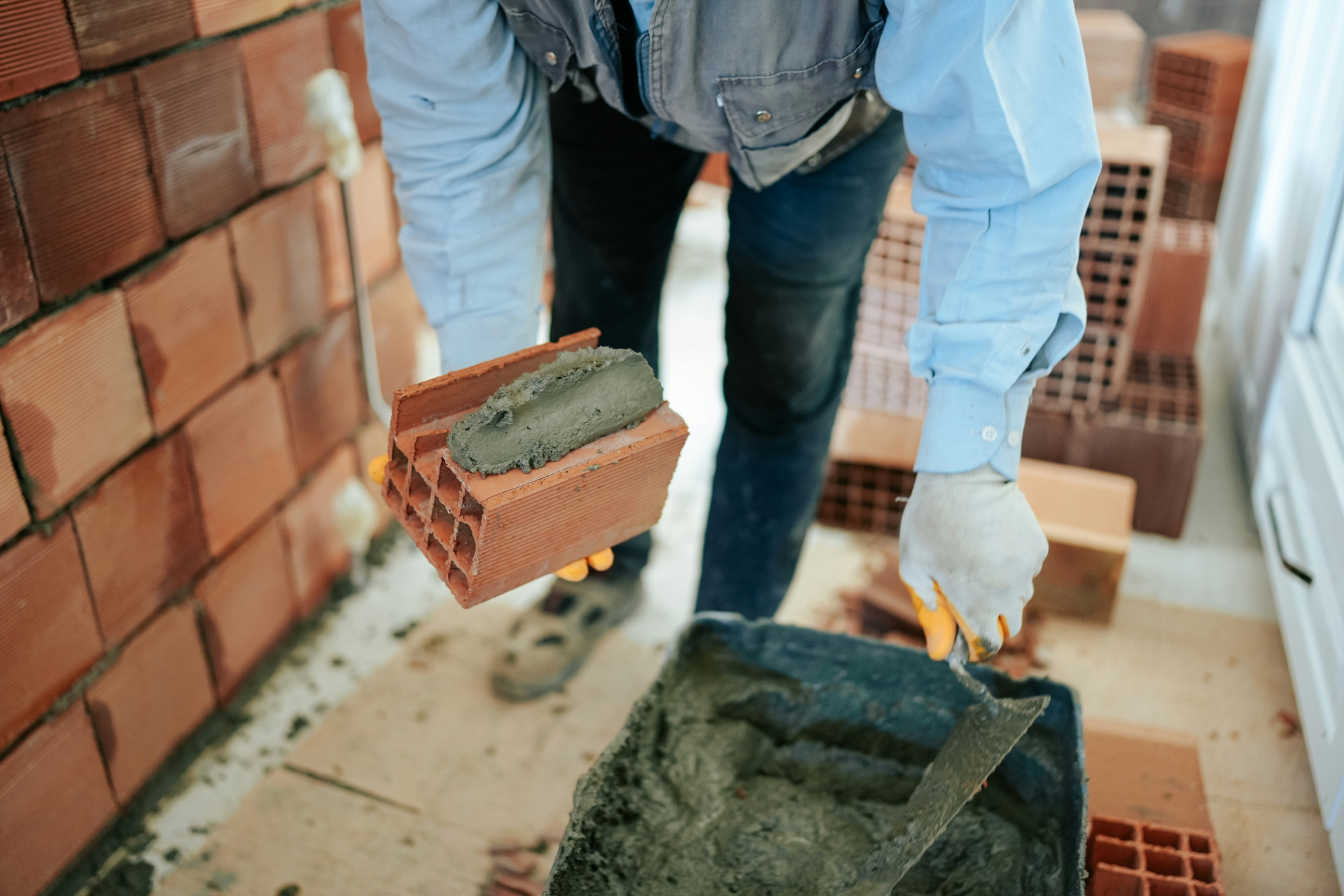
Mortar makes up a significant part of any wall’s surface and is essential for strength and weather resistance. One of the most frequent mistakes is ignoring crumbling or cracked joints. Once mortar becomes porous, water can seep in and cause frost damage or loose bricks.
Do it right:
- Inspect the mortar at least once a year, especially on north-facing walls and under gutters.
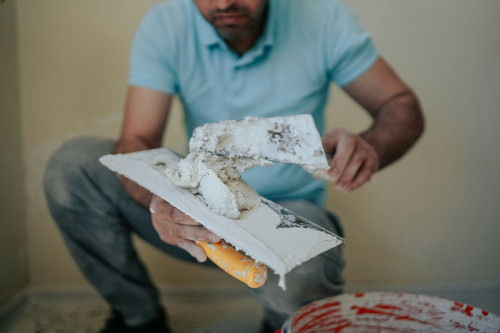
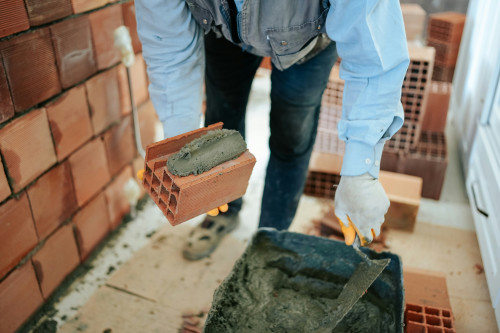
- Rake out damaged mortar carefully before repointing, using tools that won’t chip the bricks.
- Match the new mortar to the original in both composition and colour. Older properties often need lime mortar rather than modern cement-based mixes.
2. Avoid pressure washing
It’s tempting to blast away dirt, moss, or algae with a pressure washer, but this can do more harm than good. High-pressure water can erode mortar joints and force moisture deep into the wall, leading to long-term damage.
Better alternatives:
- Use a soft brush and a mild brick-cleaning solution.
- For stubborn growth, apply a specialist biocide or algae remover, following the manufacturer’s instructions.
- Rinse gently with low-pressure water and allow the wall to dry thoroughly.
Læs også:
3. Don’t ignore signs of damp
Dark patches, flaking surfaces, or white salt deposits (efflorescence) are all signs of moisture problems. Simply painting over them or covering them up won’t solve the issue and can make it worse.
Instead, try this:
- Identify the source of the damp – it could be leaking gutters, poor drainage, or rising damp.
- Ensure good airflow around the wall and avoid planting shrubs too close to the brickwork.
- Use breathable materials so that moisture can evaporate naturally.
4. Match the mortar and brick colour carefully
When repairing brickwork, it’s important that both the mortar and replacement bricks match the existing ones. Using the wrong type or colour can spoil the appearance and even cause structural stress.
Good practice:
- Take a sample of the old mortar to a builder’s merchant or have it analysed by a specialist.
- Use lime mortar for heritage buildings and cement mortar for newer ones – but always confirm what’s appropriate for your property.
- Test the colour on a small, inconspicuous area before repointing the whole wall.
5. Be cautious with paint and sealants
Painting or sealing brickwork might seem like a quick fix for damp or staining, but it can trap moisture inside the wall. Over time, this can lead to blistering, spalling, and internal damp.
Consider instead:
- Whether the wall actually needs treatment – often, a gentle clean is enough.
- If you do apply a water repellent, choose a breathable, vapour-permeable product.
- Avoid painting brickwork unless it was originally designed to be painted.
6. Don’t forget the base of the wall
The lower part of the wall, or plinth, is exposed to splashback, frost, and ground moisture. Neglecting it can allow damage to spread upwards.
Protect it by:
- Ensuring the ground slopes away from the house so rainwater drains properly.
- Repairing cracks and chips promptly with suitable materials.
- Avoiding impermeable coverings such as tiles or plastic panels that trap moisture.
7. Maintain regularly, not just when problems appear
The best way to avoid costly repairs is through consistent maintenance. A quick inspection twice a year can prevent small issues from becoming major ones.
Make it a habit:
- Check your brickwork every spring and autumn.
- Keep gutters and downpipes clear so water doesn’t run down the walls.
- Watch for changes in colour, texture, or mortar condition – these are early warning signs.
A little care goes a long way
Brickwork can last for generations if treated properly. Most problems arise from rushing repairs or using unsuitable materials. Take the time to understand what your home needs, and don’t hesitate to seek professional advice if you’re unsure. With the right approach, your brickwork will remain strong, dry, and beautiful for decades to come.
Læs også: