The Danish Master Builder’s Villa Under the Microscope: What to Check Before You Start Renovating

The Danish Master Builder’s Villa Under the Microscope: What to Check Before You Start Renovating
The Danish “master builder’s villa” – or murermestervilla – is a beloved symbol of craftsmanship and timeless design. With its solid brick walls, balanced proportions, and elegant details such as cornices, bay windows, and clay-tiled roofs, it represents a golden age of Danish domestic architecture. Many of these houses, built between the 1920s and 1950s, are now finding new life in the hands of homeowners eager to restore their charm. But before you start renovating, it’s worth understanding what makes these villas special – and what to look out for to ensure your project respects both tradition and modern standards.
Understand the House’s History and Structure
The master builder’s villa was typically constructed by skilled local builders using high-quality materials and traditional techniques. The walls are often made of solid brick, sometimes double-layered but without insulation, and the roofs are heavy with clay tiles. Before you begin any major work, it’s essential to understand how the house is put together.
Check which walls are load-bearing and how the structure handles moisture and temperature changes. Because these houses were built before modern insulation standards, adding insulation requires careful planning to avoid condensation and damp. A building survey by a professional familiar with historic masonry can help identify weak points and guide your renovation strategy.
Læs også:
Inspect the Brickwork – the House’s Signature Feature
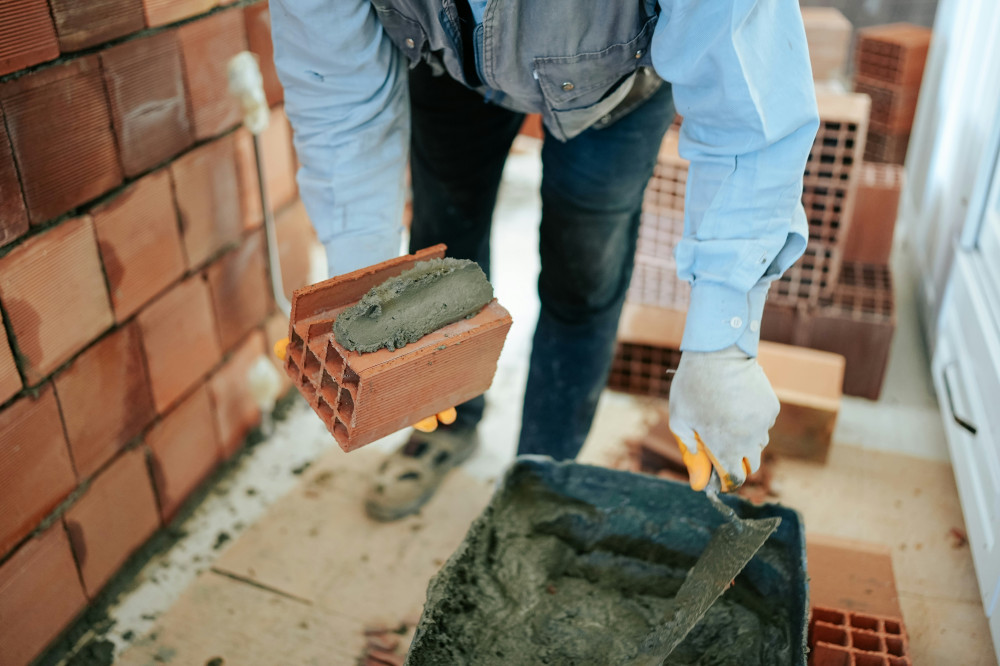
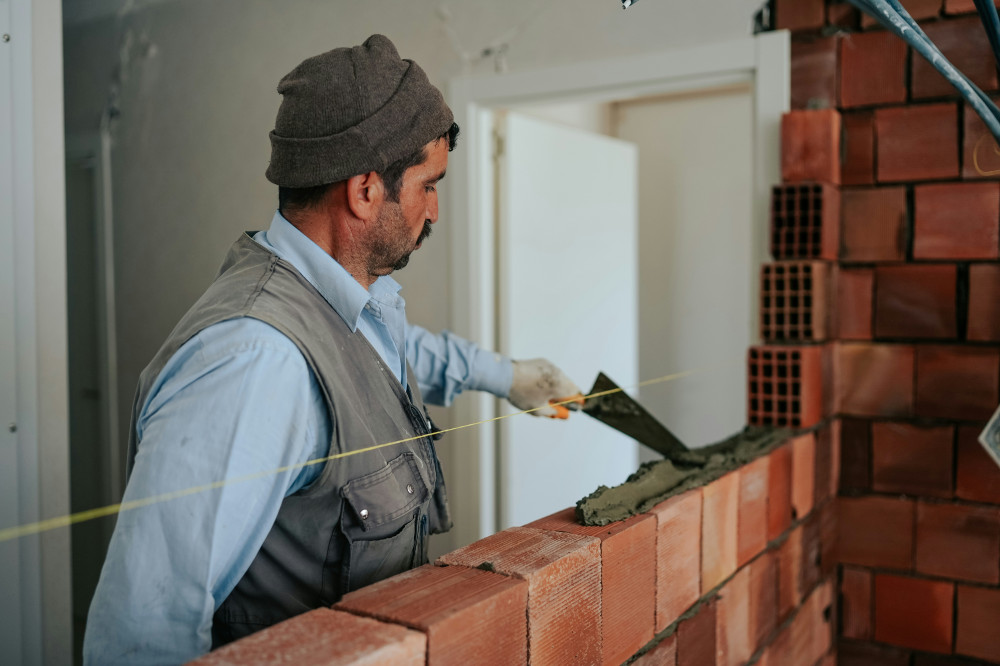
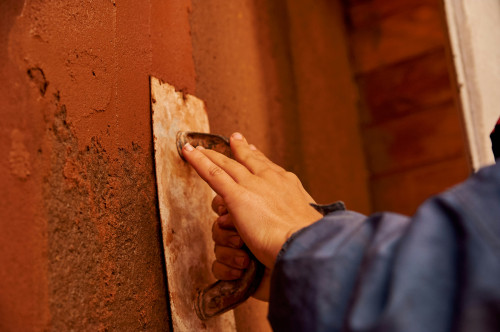
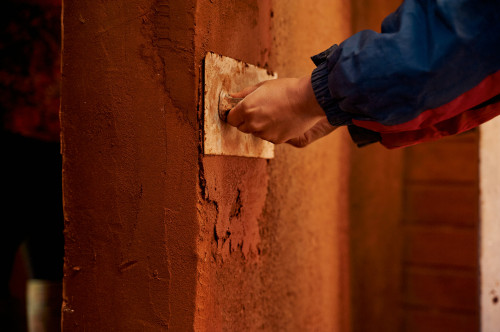
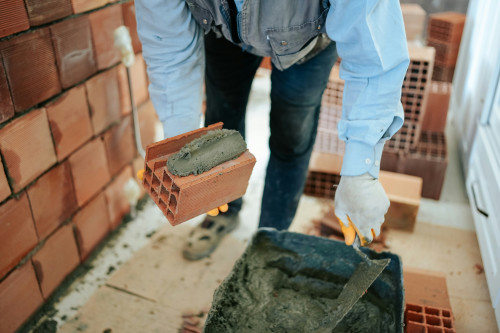
The brickwork is the pride of the master builder’s villa, but it’s also where age and weather leave their mark. Look for cracks, flaking, or discolouration. Cracks may indicate settlement or moisture issues, and it’s important to address the cause rather than just patching the surface.
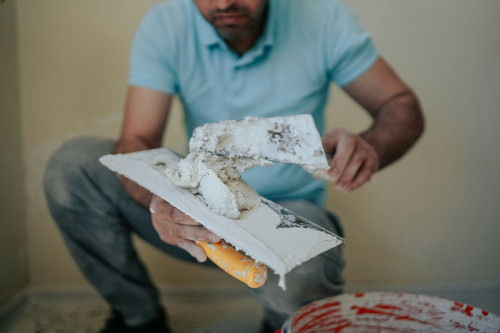
Mortar joints are crucial for both appearance and durability. If the mortar is crumbling or too hard, it should be replaced with a lime-based mix similar to the original. Using modern cement mortar can trap moisture and damage the bricks over time. When cleaning or repointing, always use gentle methods that preserve the texture and colour of the original materials.
Roof and Roof Structure – Keeping It Watertight
The roof is one of the most significant investments in any renovation, and it’s central to the villa’s character. The traditional red clay tiles can often be reused if they’re still sound, but the underlying structure deserves close inspection. Many older houses lack a proper underlay, which can lead to draughts and leaks.
Check the rafters and beams for signs of rot, mould, or insect damage. If you plan to convert the loft into living space, ensure the structure can support the extra load of insulation and flooring. When replacing tiles, choose materials that match the original style to maintain the villa’s authentic look.
Windows and Doors – Preserving the Original Expression
The original timber windows and panelled doors are key to the villa’s charm. While replacing them with modern units might seem like an easy energy-saving solution, it can drastically alter the house’s appearance. In many cases, the existing windows can be repaired, draught-proofed, and fitted with energy-efficient glazing.
If replacement is unavoidable, choose designs that replicate the original proportions and glazing bars. This attention to detail helps preserve the building’s architectural balance and ensures that new elements blend seamlessly with the old.
Moisture and Insulation – Finding the Right Balance
Improving energy efficiency in a master builder’s villa is a delicate task. The solid brick walls were designed to “breathe,” allowing moisture to move naturally through the structure. Adding insulation without considering this can trap damp and cause mould. Internal insulation requires careful detailing around vapour barriers and ventilation, while cavity wall insulation is only suitable if a true cavity exists.
Basements and foundations also deserve attention. Many of these houses have cellars that were never meant for living space, and moisture problems here can spread upwards. Ensure proper drainage around the foundation, maintain good ventilation, and avoid using impermeable paints or coatings that prevent the walls from drying out.
Services and Systems – The Hidden Upgrades
Behind the traditional façade, the villa’s electrical, plumbing, and heating systems may be outdated. Old wiring can be unsafe, and inefficient radiators or pipes can waste energy. A renovation is the perfect opportunity to modernise these systems – for example, by installing underfloor heating, a heat pump, or connecting to district heating where available.
Consider the house’s overall energy performance. An energy consultant can help identify the most cost-effective improvements that respect the building’s character while reducing running costs.
Respect the Soul – Plan with Care
A successful renovation of a Danish master builder’s villa is as much about sensitivity as it is about skill. The small details – cornices, staircases, mouldings, and door handles – all contribute to the house’s personality. Preserve as much as possible, and when you introduce new materials, choose ones that complement the old.
Plan realistically, both in terms of time and budget, and be prepared for surprises along the way. Working with an older building is a journey of discovery – one that rewards patience and respect. Done well, your renovation will not only create a comfortable modern home but also allow the villa’s story to continue for generations to come.
Læs også: