The cavity wall as the key to effective energy renovation


The cavity wall as the key to effective energy renovation
When British homeowners think about improving the energy efficiency of their homes, the focus often falls on double glazing, heat pumps or solar panels. Yet one of the most effective – and frequently overlooked – places to start is within the walls themselves. The cavity wall, found in most UK houses built after the 1920s, holds great potential for reducing heat loss and improving comfort. With proper insulation, you can significantly cut your energy bills while creating a warmer, healthier home.
What is a cavity wall?
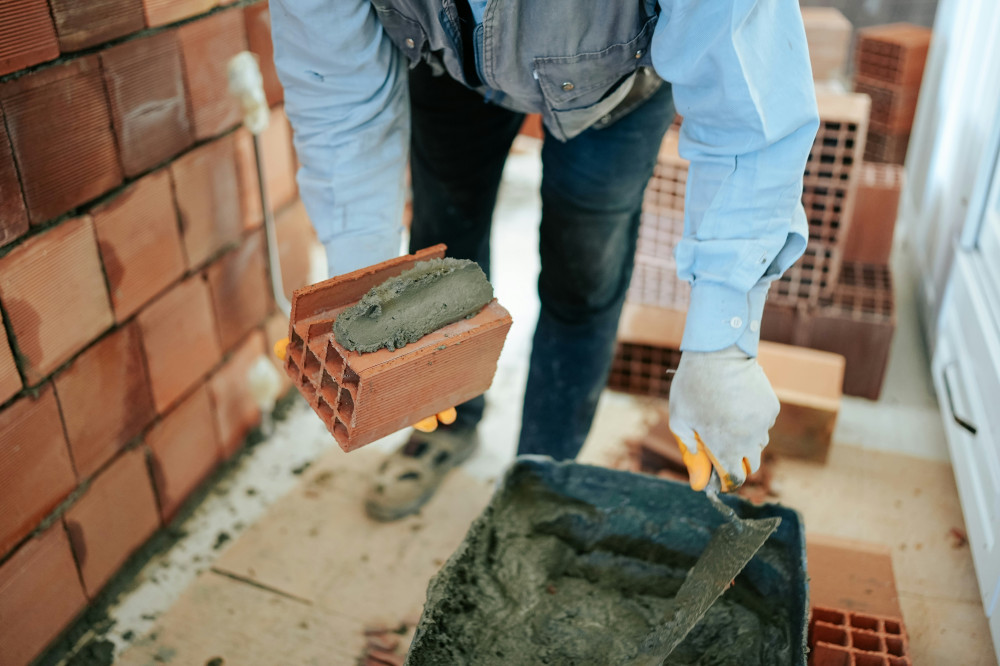
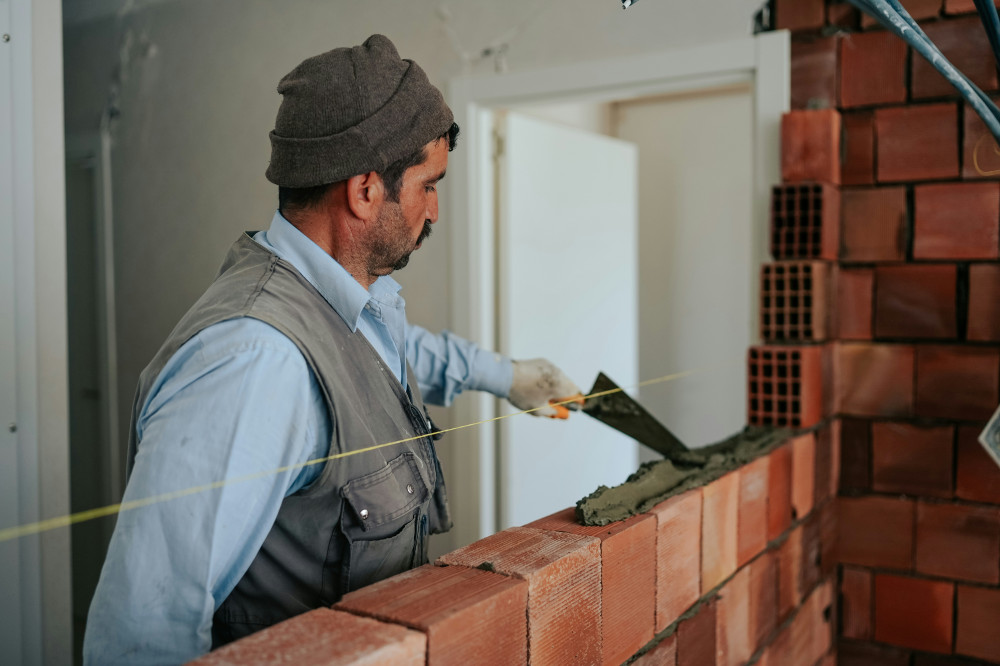
A cavity wall consists of two layers of brick or blockwork – an outer leaf and an inner leaf – separated by a narrow air gap. The outer wall protects against rain and wind, while the inner wall helps retain heat. In many older properties, this cavity is either empty or only partially filled with insulation, allowing valuable heat to escape through the walls.
By filling this cavity with insulation, you can dramatically improve your home’s thermal performance without altering its appearance. This makes cavity wall insulation an attractive option for homeowners who want a discreet and cost-effective upgrade.
Why cavity wall insulation pays off
Cavity wall insulation is one of the most affordable and impactful energy improvements available. The initial investment is relatively small compared to other measures, and the payback period is often short – typically between three and five years, depending on the size of the property and the heating system.
The benefits are clear:
- Lower heating bills – wall heat loss can be reduced by up to 35%.
- Improved comfort – rooms stay warmer for longer, and cold draughts from walls disappear.
- Healthier indoor environment – warmer walls reduce the risk of condensation and mould.
- Reduced carbon footprint – lower energy use means fewer CO₂ emissions.
For many households, it’s an upgrade that quickly pays for itself in both comfort and savings.
How the process works
Installing cavity wall insulation is a straightforward job that can usually be completed in a single day. A qualified installer will first check whether your walls are suitable. This involves drilling small holes in the mortar joints and inspecting the cavity with a borescope camera. If the walls are dry and in good condition, the insulation can be added.
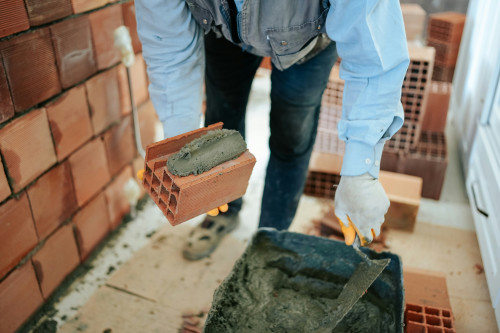
The installer then injects insulation material through the small holes, ensuring it fills the cavity evenly. Once complete, the holes are sealed with mortar to match the existing brickwork, leaving the exterior virtually unchanged.
Choosing the right insulation material
Several types of insulation materials are used for cavity walls, and the best choice depends on your property’s construction, location and environmental priorities.
- Mineral wool – a traditional option offering excellent thermal and acoustic performance, as well as fire resistance.
- Polystyrene beads (EPS) – lightweight, water-resistant and ideal for exposed or damp-prone walls.
- Foam insulation – expands to fill gaps completely, providing a high level of airtightness.
A professional installer can advise on the most suitable material for your home and ensure it meets current building regulations.
Læs også:
Avoiding common pitfalls
Although cavity wall insulation is a simple process, it must be done correctly. If the walls are damp or damaged, or if the wrong material is used, problems such as moisture penetration can occur. That’s why a thorough survey is essential before installation, and why you should always use an installer registered with a recognised body such as the Cavity Insulation Guarantee Agency (CIGA).
It’s also worth checking whether your home already has insulation. Some properties built after the 1990s were insulated during construction, while older installations may have degraded over time and need replacing.
Part of a whole-house approach
Cavity wall insulation rarely stands alone. The greatest energy savings come when it’s combined with other improvements such as loft insulation, draught-proofing, efficient windows and modern heating systems. Together, these measures can significantly reduce your home’s energy consumption and increase its value.
For many homeowners, however, the cavity wall is the ideal starting point – a quick, unobtrusive and cost-effective step towards a more energy-efficient home.
Building for the future
In new housing, cavity walls remain a key part of construction, but energy performance is now built in from the start. Modern designs use wider cavities, advanced insulation materials and breathable membranes that help regulate moisture and temperature naturally. This shows that brick and block construction – one of Britain’s oldest building traditions – still has a vital role to play in sustainable housing.
The cavity wall is not just a feature of the past; it’s a cornerstone of the future. By understanding and harnessing its potential, we can create homes that are warmer, greener and ready for the challenges of a low-carbon world.
Læs også: