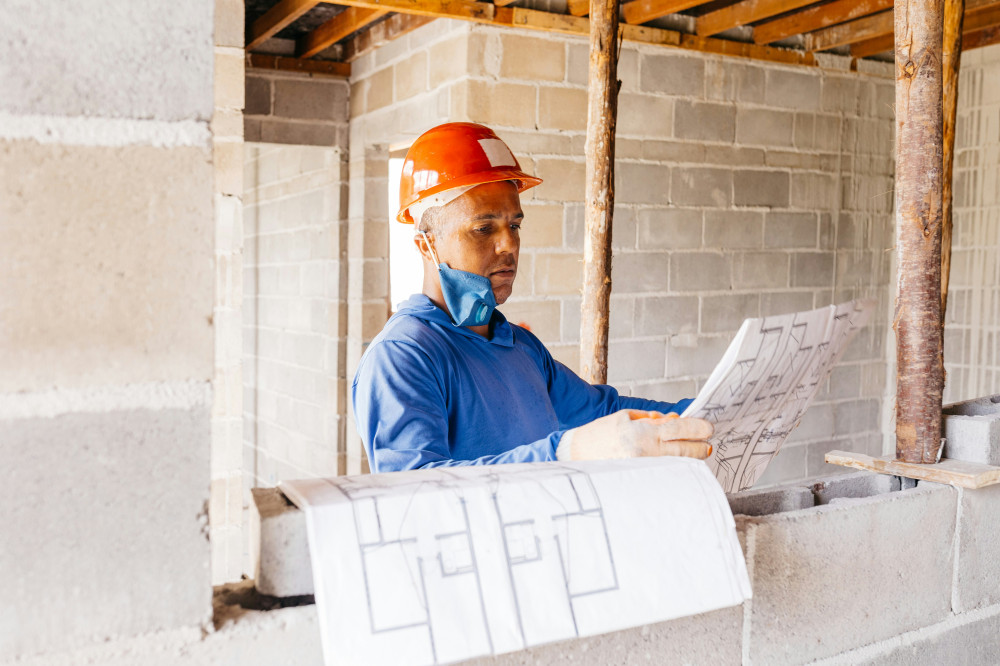
Collaboration on the Construction Site: The Key to a Healthy Psychological Work Environment

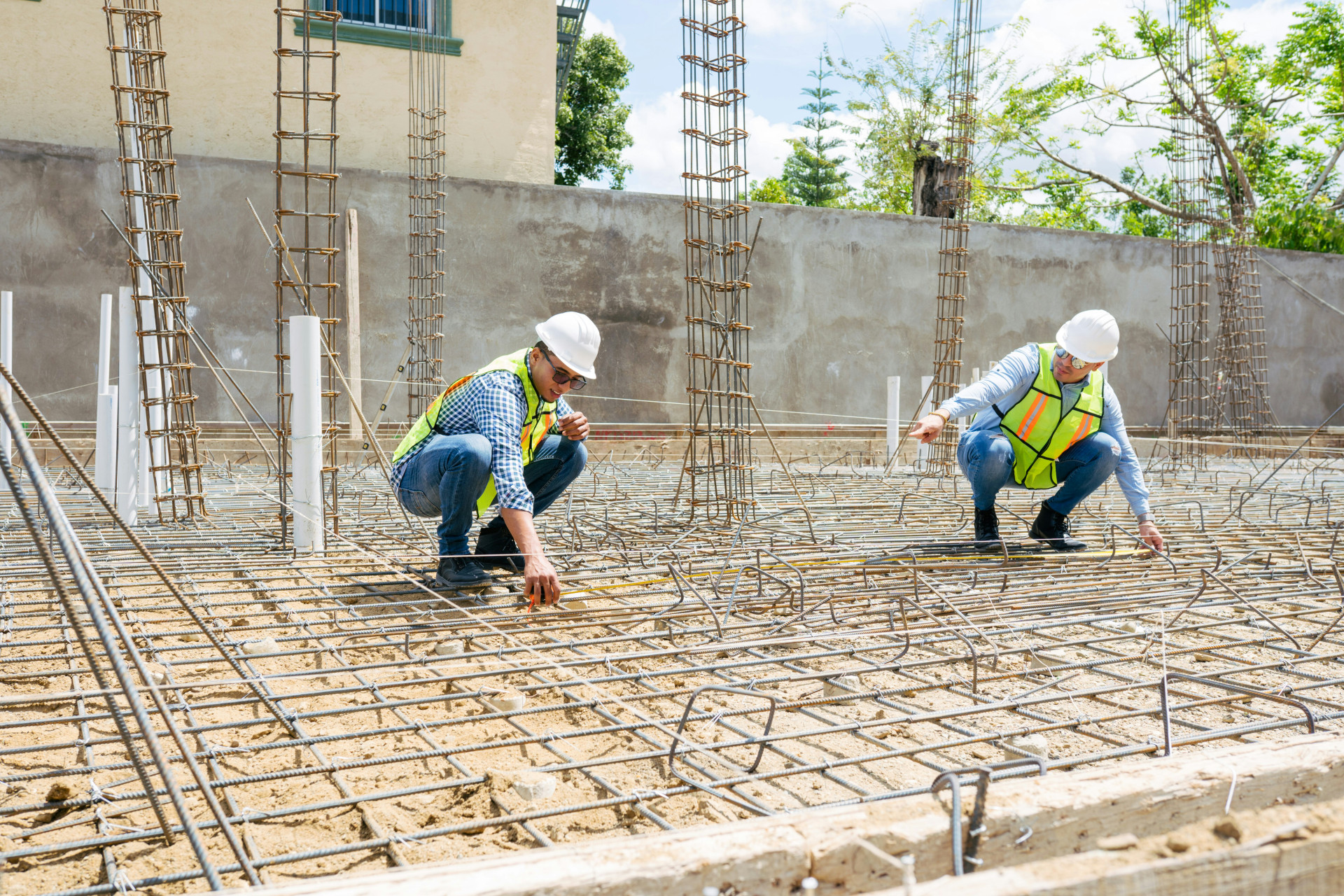
Collaboration on the Construction Site: The Key to a Healthy Psychological Work Environment
A construction site is a place of constant movement, tight deadlines, and close teamwork between many different trades. Success depends not only on technical skill and physical effort but also on a strong and healthy psychological work environment. When collaboration works well, the job becomes more efficient, safer, and more satisfying. But when communication breaks down, stress, conflict, and mistakes can quickly follow. A healthy psychological work environment begins with effective collaboration.
Communication as the Foundation
Clear communication is the cornerstone of any successful construction project. On a site where decisions must be made quickly and safety depends on everyone knowing what’s happening, information needs to flow freely and accurately.
Good communication is not just about giving instructions – it’s also about listening. When site managers, tradespeople, and subcontractors take the time to understand each other’s perspectives, it becomes easier to solve problems and avoid misunderstandings. A short daily briefing or “toolbox talk” can make a big difference by ensuring everyone is aligned on the day’s tasks and potential challenges.
Respect and Trust Across Trades
A construction site brings together many professions – bricklayers, carpenters, electricians, plumbers, and more. Each trade has its own expertise and way of working. This diversity can lead to friction, but it can also be a great strength when there is mutual respect.
Trust grows when people can rely on one another to do their jobs properly and to treat each other fairly. It’s built through everyday actions: speaking respectfully, offering help when needed, and recognising good work. Simple gestures like saying thank you or acknowledging a job well done help create a culture where everyone feels valued.
The Role of Leadership in Mental Wellbeing
Good site management is about more than meeting deadlines and budgets – it’s also about creating the conditions for a safe and supportive workplace. Leaders who are visible on site and take time to talk with workers send a clear message that wellbeing matters.
It’s important for managers to act quickly if signs of stress or conflict appear. Encouraging open dialogue, where workers feel comfortable raising concerns, can prevent small issues from escalating. Leadership should also set the tone by promoting a culture where collaboration, respect, and safety are valued just as highly as productivity.
Læs også:

When Pressure Mounts – Hold on to Team Spirit
The UK construction industry is known for its demanding schedules and high expectations. During busy periods, it can be tempting to cut corners or work in silence just to get the job done. But it’s precisely in these moments that teamwork matters most.
Taking a short break together, sharing experiences, or helping a colleague who’s struggling can help maintain morale and motivation. A strong sense of community makes it easier to handle pressure without compromising safety or wellbeing.
Training and Shared Understanding
More and more construction companies in the UK are investing in training and workshops focused on teamwork, communication, and mental health. It might seem like a luxury in a fast-paced environment, but experience shows that it pays off. When everyone on site shares an understanding of how to communicate, manage conflict, and support one another, work becomes both safer and more efficient.
It can also be beneficial to appoint wellbeing champions or mental health first aiders who colleagues can approach if they need support. This sends a clear signal that mental health is taken seriously and that help is available.
Collaboration Builds Both Results and Wellbeing
Good collaboration on a construction site isn’t just about finishing the project on time – it’s about creating a workplace where people want to come every day. When communication flows, trust is strong, and leadership sets the right example, the site becomes a place where both performance and people thrive.
A healthy psychological work environment doesn’t happen by chance. It’s built – layer by layer – through respect, dialogue, and shared responsibility. Just like a well-constructed building.
Læs også: