Partnerships That Pay Off: Long-Term Collaboration in the Construction Industry

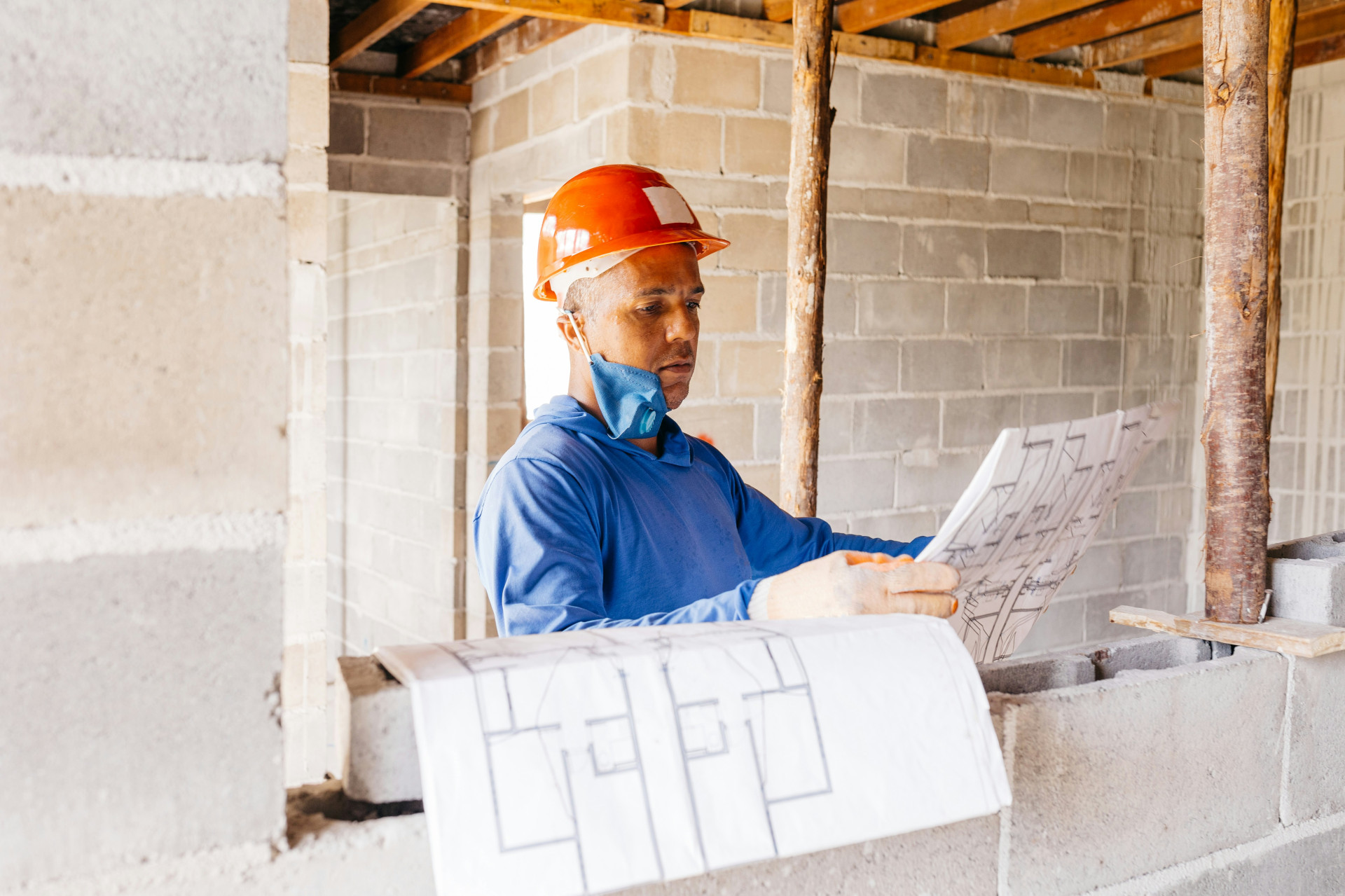
Partnerships That Pay Off: Long-Term Collaboration in the Construction Industry
The UK construction industry is known for its complexity, tight deadlines, and the need for multiple stakeholders to work together. In an era where expectations for quality, sustainability, and efficiency continue to rise, collaboration is no longer just a practical necessity – it’s a strategic advantage. Long-term partnerships between clients, contractors, and consultants can lead to better outcomes, fewer disputes, and greater value for everyone involved.
From Project to Partnership
Traditionally, construction projects have been characterised by short-term relationships: a project begins, contracts are signed, and once the building is complete, the parties move on. This approach can breed mistrust, inefficiency, and repeated mistakes. Increasingly, however, partnership models are gaining ground – models built on shared goals, transparency, and mutual learning.
A partnership is not only about sharing risk and reward; it’s about building trust over time. When teams understand each other’s strengths, communicate openly, and work towards common success criteria, challenges become easier to solve and innovation more achievable.
The Benefits of Long-Term Collaboration
Long-term partnerships bring tangible benefits that can be felt both on the balance sheet and across the workforce:
- Better planning and fewer errors: Repeated collaboration fosters a shared understanding of processes and standards, reducing misunderstandings and wasted time.
- Greater innovation: Stable relationships create the confidence to test new methods, materials, and technologies without fear of blame when things don’t go perfectly.
- Shared responsibility for sustainability: Long-term relationships make it easier to plan and invest in greener solutions across multiple projects, supporting the UK’s net-zero ambitions.
- More motivated teams: When collaboration is based on respect and trust, employees experience higher job satisfaction and engagement.
In short: a strong partnership pays off – not only financially, but also in terms of quality, wellbeing, and reputation.
Building a Strong Partnership
Successful collaboration doesn’t happen by chance. It requires deliberate effort and clear frameworks. Here are some key elements:
- Shared goals and values: Define what success means for all parties – financially, technically, and socially.
- Open communication: Create a culture where challenges can be raised early and mistakes are treated as opportunities for learning rather than blame.
- Long-term agreements: Framework contracts that extend beyond a single project allow relationships to mature and improve over time.
- Joint evaluation: After each project, review what worked well and what could be improved. Continuous learning strengthens trust and performance.
- Leadership commitment: Senior management must actively support and prioritise partnership working, even when pressures mount.
Examples from Practice
Across the UK, several public and private sector initiatives have demonstrated the value of long-term collaboration. Framework agreements used by local authorities and government departments, such as those under the Crown Commercial Service or the Scape framework, have shown how consistent partnerships can deliver cost savings, improved quality, and faster delivery.
Similarly, alliances between contractors and suppliers in major infrastructure projects – from rail upgrades to hospital construction – have led to shared innovation in digital design, modular construction, and low-carbon materials. When knowledge and experience are shared, the results often exceed what any single organisation could achieve alone.
Læs også:

The Future of Construction Depends on Collaboration
The UK construction sector faces significant challenges: skills shortages, rising material costs, and the urgent need to decarbonise. No single actor can tackle these issues in isolation. The industry’s future success depends on its ability to collaborate – not just within individual projects, but across the entire value chain.
Long-term partnerships are therefore not just a passing trend; they are a necessity. They bring stability to a volatile market and create the conditions for innovation, quality, and sustainability. When collaboration is built on trust and shared purpose, the result is construction that endures – economically, environmentally, and socially.
Læs også: