Modern Comfort in Historic Surroundings – How to Integrate Ventilation and Underfloor Heating

Modern Comfort in Historic Surroundings – How to Integrate Ventilation and Underfloor Heating
Living in a period property is a privilege. The craftsmanship, proportions and character of older homes are hard to replicate in modern construction. Yet, with charm often comes draughts, uneven temperatures and limited energy efficiency. How can you enjoy fresh air and comfortable warmth without compromising the building’s heritage? Here’s a guide to integrating ventilation and underfloor heating in historic homes – with respect for both aesthetics and performance.
Preserving Character While Embracing Modern Comfort
Modern comfort and historic authenticity don’t have to be opposites. The key is to adapt technology to the building, not the other way around. Every property is unique, and the right solution depends on its age, structure and listed status.
In the UK, many older homes are listed or located in conservation areas, which means alterations must be carefully planned. Discreet installations, hidden pipework and sympathetic design can make a huge difference. Consulting a specialist – such as a building services engineer or conservation architect – will help you find the right balance between comfort and preservation.
Ventilation Without Visible Ducts
Good ventilation is essential for a healthy indoor climate, but traditional ductwork can be difficult to install in older buildings with solid walls and decorative ceilings. Fortunately, modern systems offer subtle alternatives.
- Decentralised ventilation units can be fitted in individual rooms and require only small wall penetrations. They’re ideal for retrofits where space is limited.
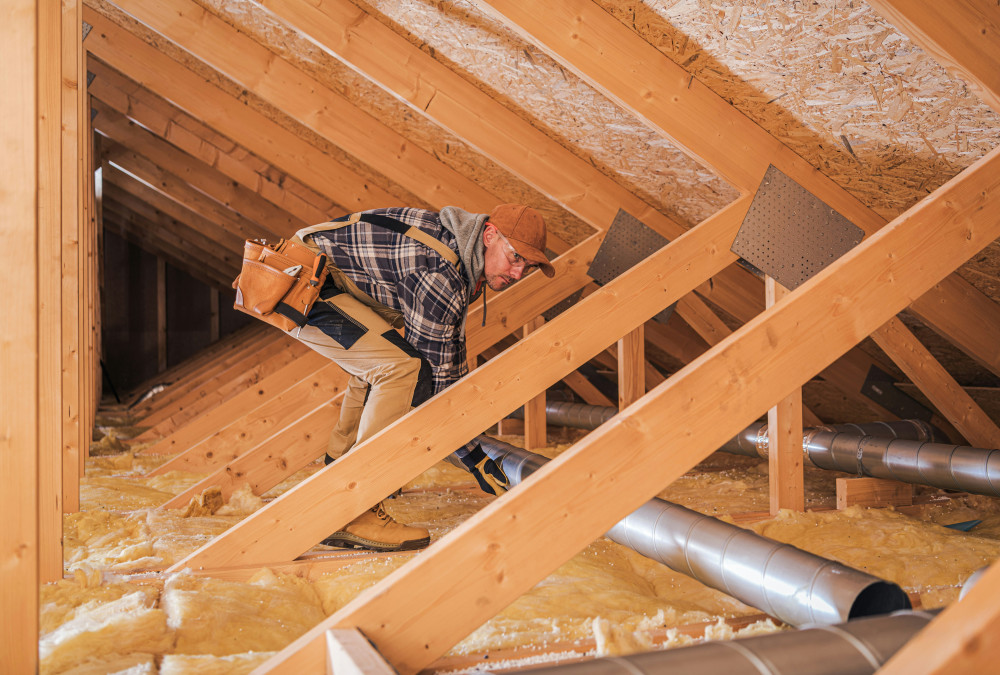
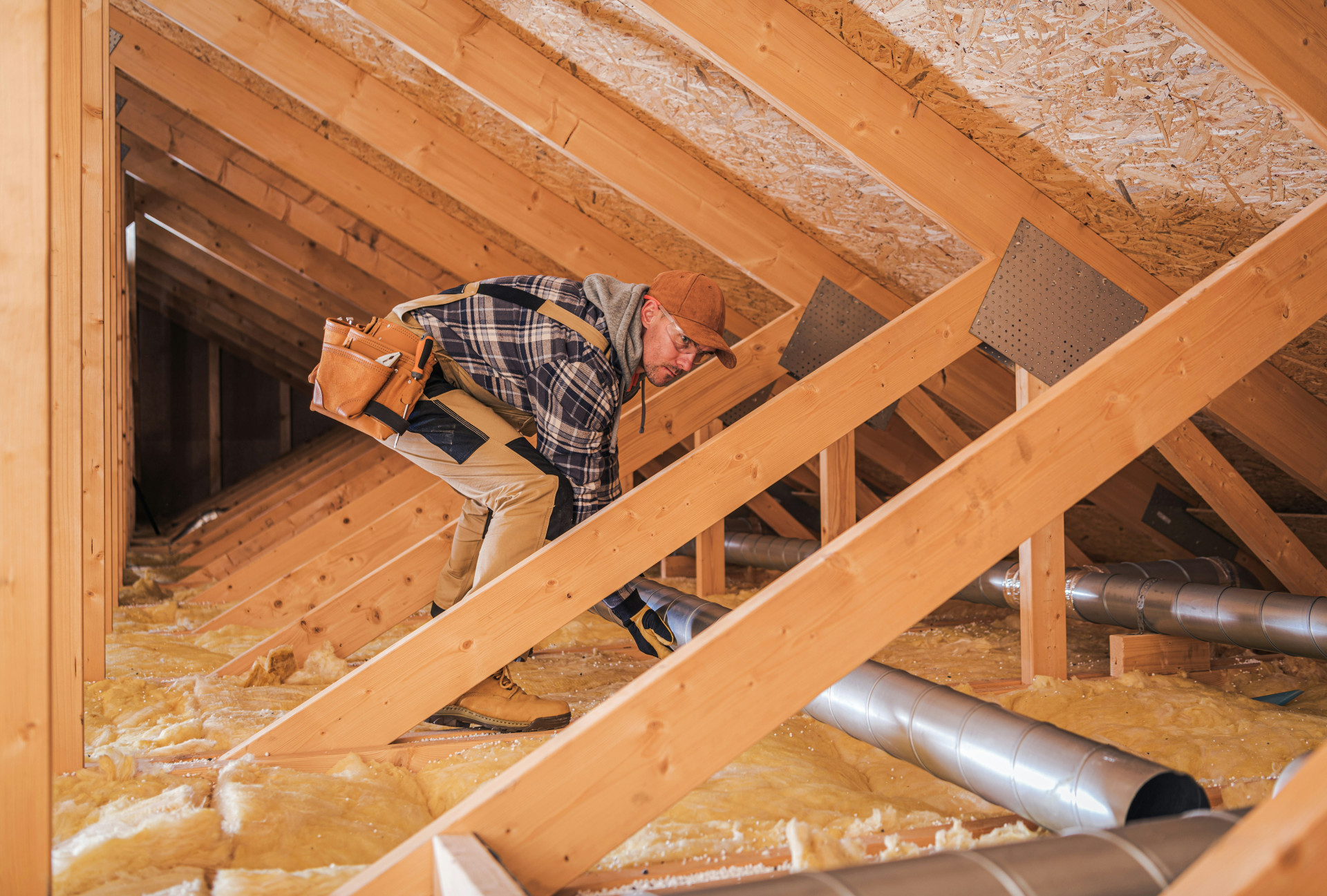
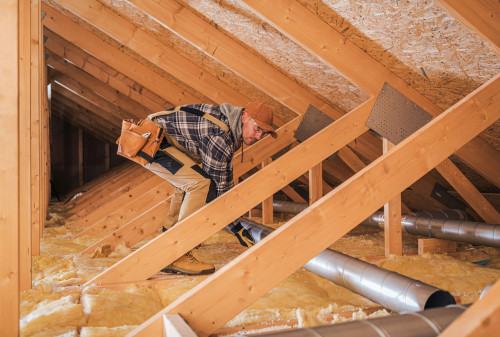
- Slimline duct systems can be concealed behind skirting boards, within floor voids or in attic spaces, maintaining the building’s original appearance.
- Heat recovery ventilation (MVHR) systems capture warmth from outgoing air and use it to preheat incoming fresh air, reducing energy loss – a major advantage in draughty or poorly insulated homes.
When choosing a system, consider noise levels and maintenance. A quiet, easy-to-clean unit will make daily living more comfortable and ensure long-term efficiency.
Underfloor Heating – Invisible Warmth
Underfloor heating offers one of the most comfortable and unobtrusive ways to heat a home. It provides even warmth and frees up wall space by removing the need for radiators – a real benefit in rooms with period features or limited space.
There are several options to suit different renovation scenarios:
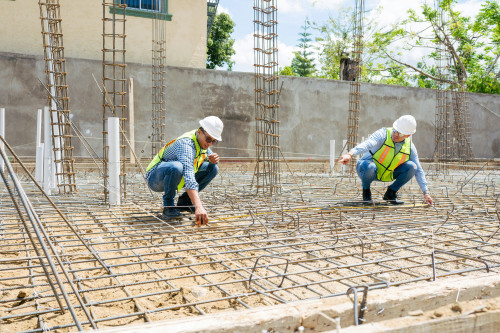
- Water-based underfloor heating is the most energy-efficient and can be connected to a boiler or heat pump. It’s ideal when floors are being replaced or refurbished.
- Electric underfloor heating works well in smaller areas such as bathrooms or hallways, where it’s impractical to install a full wet system.
- Low-profile systems can be laid over existing floors with minimal height increase, making them suitable for heritage properties where structural changes must be kept to a minimum.
Floor materials also matter. Timber floors can work beautifully with underfloor heating, provided temperature and humidity are carefully controlled to prevent warping.
Energy Efficiency and Indoor Climate
Combining ventilation and underfloor heating creates a home that’s both comfortable and energy-efficient. Heat recovery ventilation reduces wasted energy, while underfloor heating delivers consistent warmth at lower operating temperatures. Together, they can lower energy bills and carbon emissions – an important consideration as the UK moves towards more sustainable housing.
A well-ventilated home also helps prevent damp and mould, common issues in older buildings. The result is a healthier, more pleasant living environment all year round.
Planning and Professional Advice
Integrating modern systems into a historic property requires careful planning. Before starting work, it’s worth taking these steps:
- Commission an energy assessment to identify where improvements will have the greatest impact.
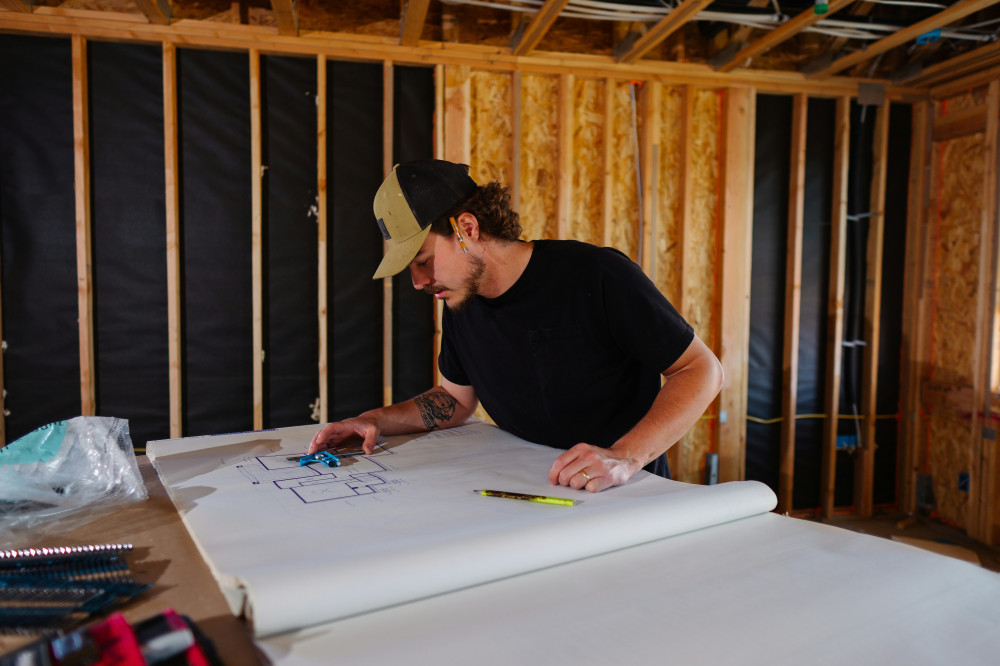
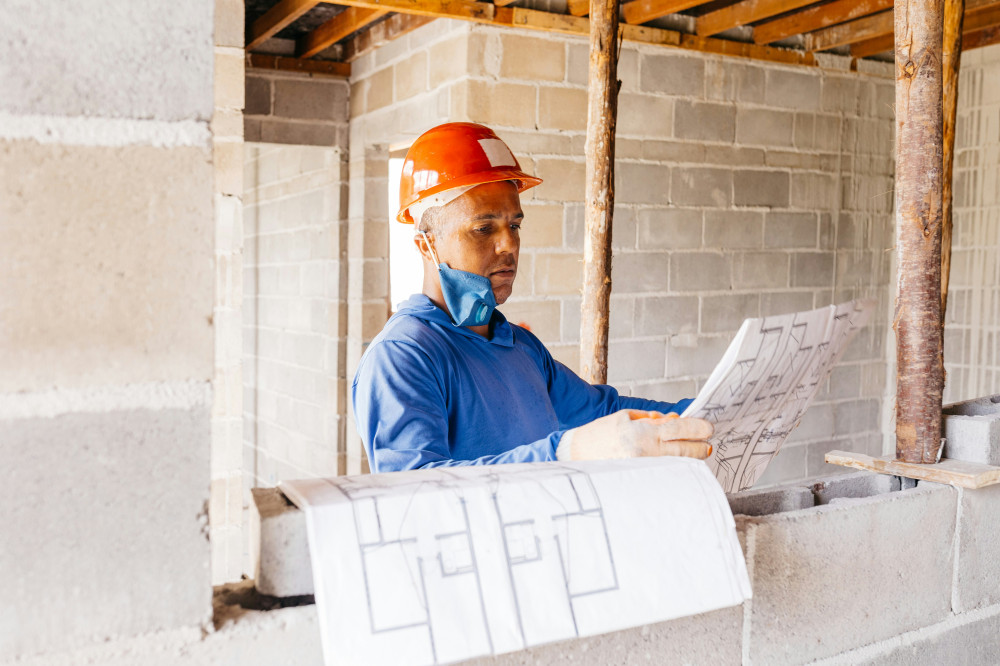
- Engage professionals early – an architect, heating engineer and conservation specialist can help design a solution that respects the building’s fabric.
- Think holistically – heating, ventilation and insulation all interact. A change in one area can affect the others.
- Check permissions – listed buildings and those in conservation areas often require consent from the local planning authority before alterations are made.
With the right approach, you can achieve a seamless blend of old and new – a home that feels both authentic and effortlessly comfortable.
Læs også:
Comfort with Respect for History
Upgrading a period property isn’t about erasing its past; it’s about giving it a sustainable future. By integrating discreet ventilation and efficient underfloor heating, you can enjoy modern comfort while preserving the character that makes your home unique. It’s the perfect balance of heritage and innovation – modern comfort in historic surroundings at its best.
Læs også: