Electrical inspection as part of the condition report – how it works

Electrical inspection as part of the condition report – how it works
When buying or selling a property in the UK, a condition report can be an important part of the process. It provides an overview of the property’s general state, highlighting any visible defects or areas of concern. However, it does not cover everything – particularly the electrical system. That’s why many homeowners choose to have an electrical inspection carried out alongside the condition report. But what exactly does this inspection involve, and how does it work in practice?
What is an electrical inspection?
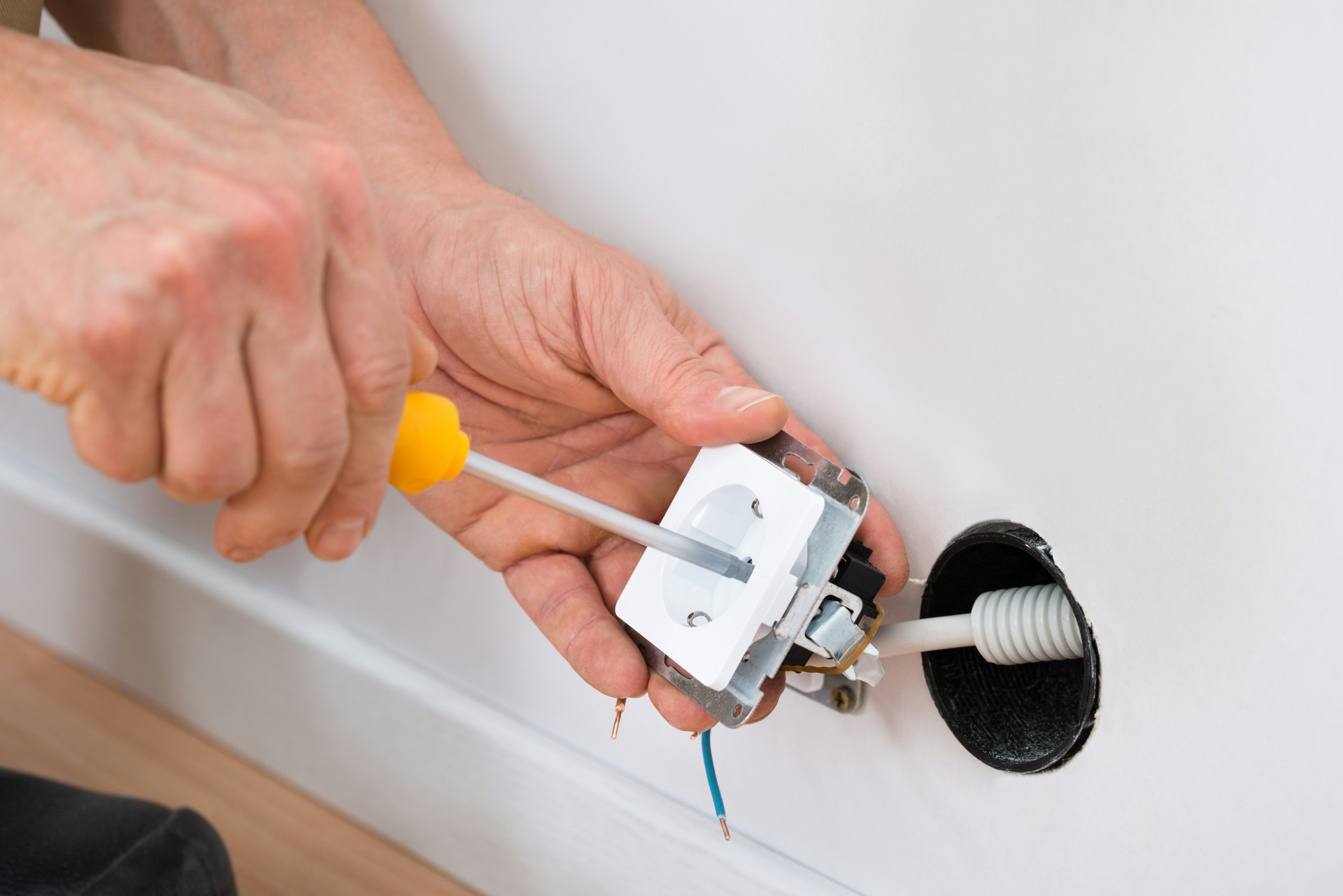
An electrical inspection – often referred to as an Electrical Installation Condition Report (EICR) – is a detailed assessment of a property’s fixed electrical installations. It must be carried out by a qualified electrician or an approved electrical contractor. The purpose is to determine whether the electrical system is safe, compliant with current regulations, and in good working order.
The inspection typically includes checks of:
- Consumer units (fuse boxes) and circuit breakers
- Sockets, switches, and light fittings
- Wiring and connections
- Earthing and bonding arrangements
- Fixed electrical equipment in kitchens, bathrooms, and utility areas
The electrician will not test every appliance or portable device, but will focus on the fixed wiring and components that form part of the property’s electrical infrastructure.
Why is an electrical inspection important?
Electrical faults are not always visible, yet they can pose serious safety risks such as electric shock or fire. An EICR helps identify:
- Outdated or damaged wiring
- Overloaded circuits
- Missing or faulty RCD (Residual Current Device) protection
- Poor workmanship from previous alterations or DIY work
- Non-compliance with current safety standards
For buyers, an electrical inspection provides reassurance that the property is safe and that no costly repairs are hidden behind the walls. For sellers, it can demonstrate transparency and help avoid disputes later in the process.
How the electrical inspection complements the condition report
A condition report, prepared by a surveyor, focuses on the visible condition of the building – its structure, roof, walls, and finishes. It does not include a detailed assessment of electrical or gas installations. The EICR therefore acts as a valuable supplement, giving a more complete picture of the property’s overall condition.
Together, the two reports help both buyer and seller make informed decisions. They can also support negotiations, as any issues identified can be addressed or reflected in the sale price.
How the inspection is carried out
An electrical inspection usually takes between one and three hours, depending on the size and age of the property. The electrician will test circuits, open consumer units, and inspect accessible wiring and fittings. Each observation is recorded and given a classification code:
- C1 – Danger present, immediate action required
- C2 – Potentially dangerous, urgent remedial work needed
- C3 – Improvement recommended
- FI – Further investigation required
Once the inspection is complete, the electrician issues an EICR certificate summarising the findings. The report will state whether the installation is “satisfactory” or “unsatisfactory” and list any necessary remedial work.
How much does an electrical inspection cost?
The cost of an EICR varies depending on the property’s size and the number of circuits, but for a typical three-bedroom house, prices usually range from £150 to £300. While this is an additional expense, it is a small price to pay for peace of mind – especially considering the potential cost and danger of undetected electrical faults.
What happens if faults are found?
If the inspection reveals issues, the electrician will recommend the necessary repairs or upgrades. For sellers, addressing serious faults before marketing the property can make it more appealing to buyers. For buyers, the report can be used to negotiate repairs or a price adjustment.
In some cases, only minor improvements may be suggested, such as upgrading the consumer unit or adding RCD protection. In others, more extensive rewiring may be required, particularly in older properties.
Læs også:

A valuable tool for safe and transparent property transactions
An electrical inspection is more than just a formality – it’s an essential step in ensuring safety and transparency during a property sale. It helps both parties understand the true condition of the electrical system, reduces the risk of future disputes, and contributes to a smoother, more confident transaction.
Whether you are buying or selling, commissioning an EICR alongside your condition report is a wise investment in both safety and peace of mind.
Læs også: