Sustainable Electrical Work – Choose Materials with Care

Sustainable Electrical Work – Choose Materials with Care
When you plan electrical work in your home – whether it’s a new installation, a renovation, or simply replacing a few components – there are now many ways to make sustainability part of the process. The materials, products, and methods you choose can have a real impact on the environment, energy use, and the lifespan of your installations. Here’s a guide to help you make thoughtful choices when planning sustainable electrical work in the UK.
Why sustainability matters in electrical work
Electrical installations are often hidden behind walls, but they play a major role in your home’s overall energy performance. By choosing materials and solutions that are responsibly produced, you can reduce environmental impact – both during manufacturing and throughout everyday use.
Sustainable electrical work isn’t just about saving electricity; it’s about using resources wisely. That means selecting products with a long lifespan, low energy consumption, and the potential for recycling when they eventually need replacing.
Læs også:
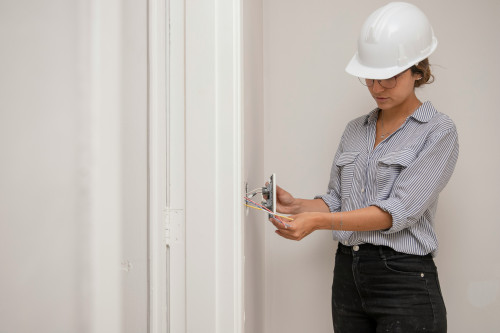
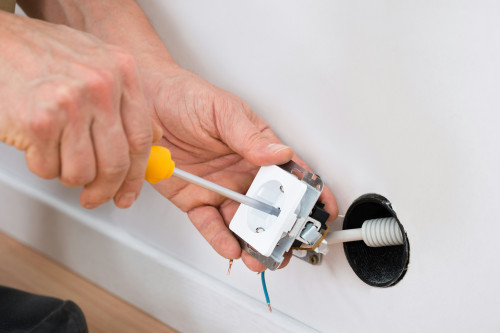
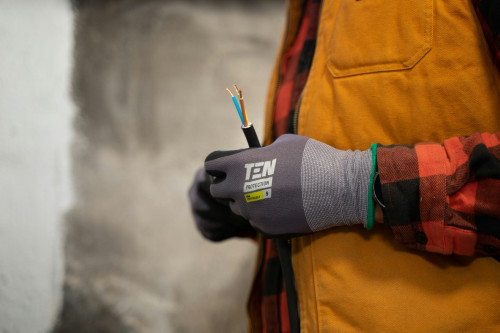
Choose materials with a low environmental impact
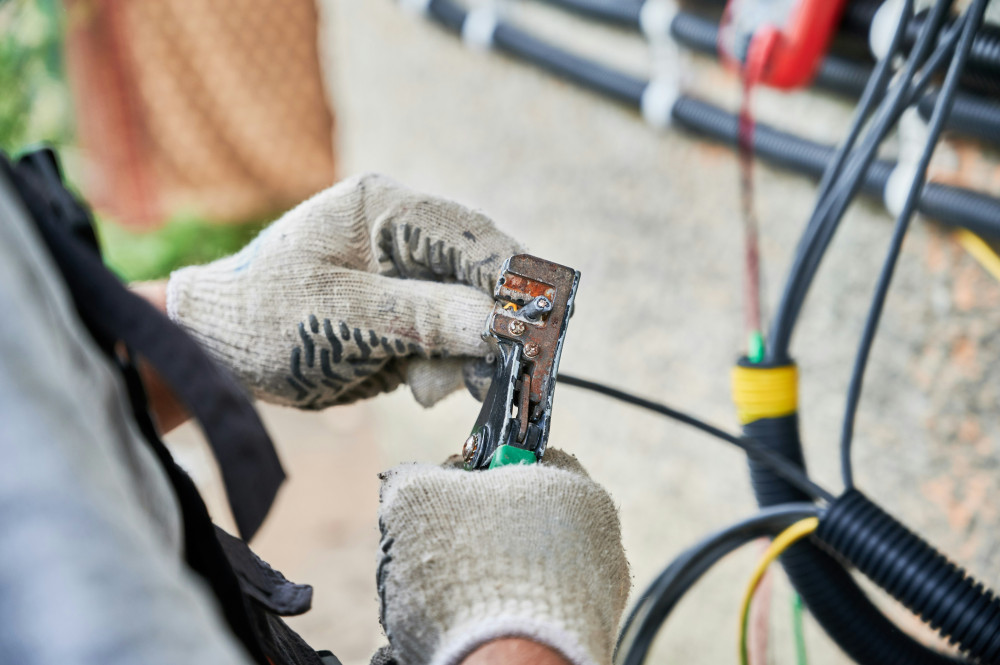
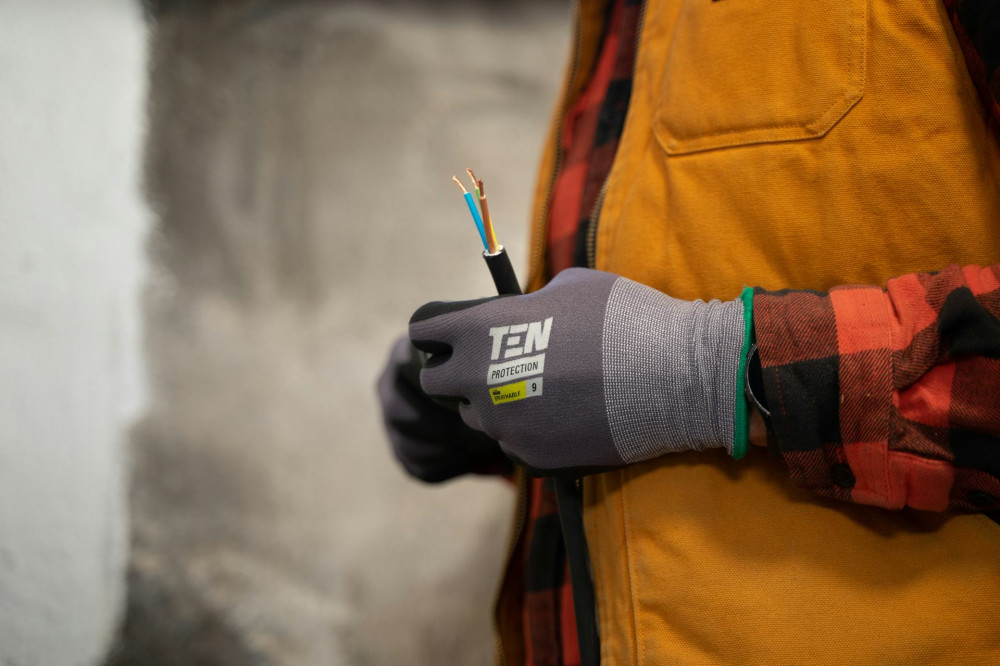
When selecting cables, sockets, switches, and lighting, look for products made from recycled or environmentally friendly materials. Many manufacturers now offer PVC-free cables that use halogen-free insulation instead. These are less harmful in the event of a fire and easier to recycle.
- Halogen-free cables – emit fewer toxic gases in a fire and are better for the environment.
- Components made from recycled plastic or metal – reduce the need for new raw materials.
- Products with environmental certifications – such as the BSI Kitemark for sustainability or Cradle to Cradle certification, which demonstrate responsible production.
Even small choices, like opting for durable switches and fittings, can make a long-term difference.
Build in energy efficiency from the start
Sustainable electrical work also means improving energy efficiency. When you have an electrician on site, it’s a good opportunity to review your installations and identify where energy can be saved.
- Replace old light bulbs with LEDs – they use up to 80% less energy than traditional bulbs and last much longer.
- Install motion sensors in areas where lights are often left on, such as hallways or utility rooms.
- Consider smart controls – smart home systems allow you to manage lighting, heating, and ventilation more precisely, reducing waste.
- Check your consumer unit – older fuse boxes can be inefficient and may need upgrading for both safety and energy performance.
These improvements can quickly pay for themselves through lower electricity bills and a more comfortable home environment.
Reuse and dispose responsibly
When old installations are replaced, it’s important that materials are handled correctly. Electrical waste contains metals and plastics that can be recycled but may pollute if disposed of improperly.
Ask your electrician how waste is managed – many UK electrical contractors work with certified recycling schemes that ensure materials are sorted and reused safely. You can also take small electrical items and cables to your local recycling centre or use council collection services for WEEE (Waste Electrical and Electronic Equipment).
Work with an environmentally conscious electrician
A key part of sustainable electrical work is choosing a professional who shares your values. Many electricians in the UK now follow green principles – using eco-friendly products, minimising waste, and advising on energy-saving solutions.
When requesting quotes, ask about:
- The materials they use and whether they have environmental certifications.
- How they handle waste and recycling.
- Whether they can recommend energy-efficient options for your home.
Partnering with a sustainability-minded electrician makes it easier to make the right choices – for both the planet and your budget.
Small steps, big impact
Sustainable electrical work doesn’t have to mean a full renovation. Even small changes – like switching to LED lighting, choosing halogen-free cables, or upgrading to energy-efficient appliances – can make a noticeable difference over time. The key is to think holistically: how can your choices today contribute to a more sustainable home tomorrow?
By choosing materials with care and working with professionals who prioritise the environment, you can create electrical installations that are safe, durable, and responsible.
Læs også: