Old wiring? How to check if it’s still safe

Old wiring? How to check if it’s still safe
Old electrical wiring can be a hidden hazard in many British homes. Perhaps you live in a 1960s or 70s property where the wiring has never been replaced, or you’ve moved into a flat with electrics that haven’t been updated for decades. Even if “everything works fine”, ageing or outdated wiring can pose a fire or shock risk. Here’s how to assess whether your wiring is still safe – and when it’s time to call in a qualified electrician.
Why old wiring can be a problem
Electrical installations don’t last forever. Over time, the insulation around cables can become brittle, and the copper inside may corrode. Meanwhile, the electrical demand in modern homes has increased dramatically – with more appliances, chargers and devices drawing power than ever before.
Older wiring systems were never designed for today’s loads, which can lead to overheating. In the worst cases, this can cause a fire behind the walls long before you notice anything is wrong.
That’s why it’s important to know the age and condition of your wiring – especially if you live in an older property or notice issues such as flickering lights, warm sockets or cracked cable insulation.
Signs your wiring may need checking
You don’t have to be an electrician to spot that something might be wrong. Here are some common warning signs that your wiring could be outdated or deteriorating:
- Sockets or switches that feel warm – may indicate a poor connection or overloading.
- Discolouration or scorch marks around sockets or plugs – a sign of overheating.
- Cracked or frayed cable insulation – often visible in lofts, basements or behind skirting boards.
- Fuses that blow or breakers that trip frequently – could mean the system can’t handle the load.
- Lack of earthing – older installations may not have an earth connection, increasing the risk of electric shock.
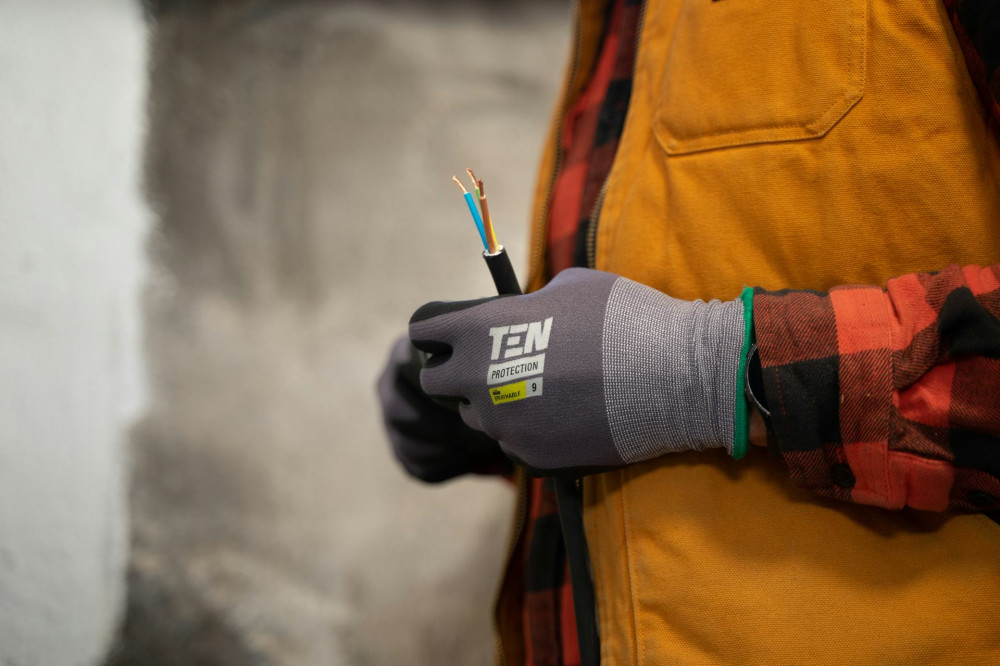
- Old-style rubber or fabric-insulated cables – common in pre-1970s homes and now well past their safe lifespan.
If you recognise any of these symptoms, it’s time to have a qualified electrician inspect your system.
How to get an overview of your installation
Start by finding out how old your electrical installation is. You might find this information in your home’s survey report, electrical installation certificate, or previous inspection records. If you don’t have documentation, an electrician can usually estimate the age based on the materials and layout.
You can also carry out a simple visual check:
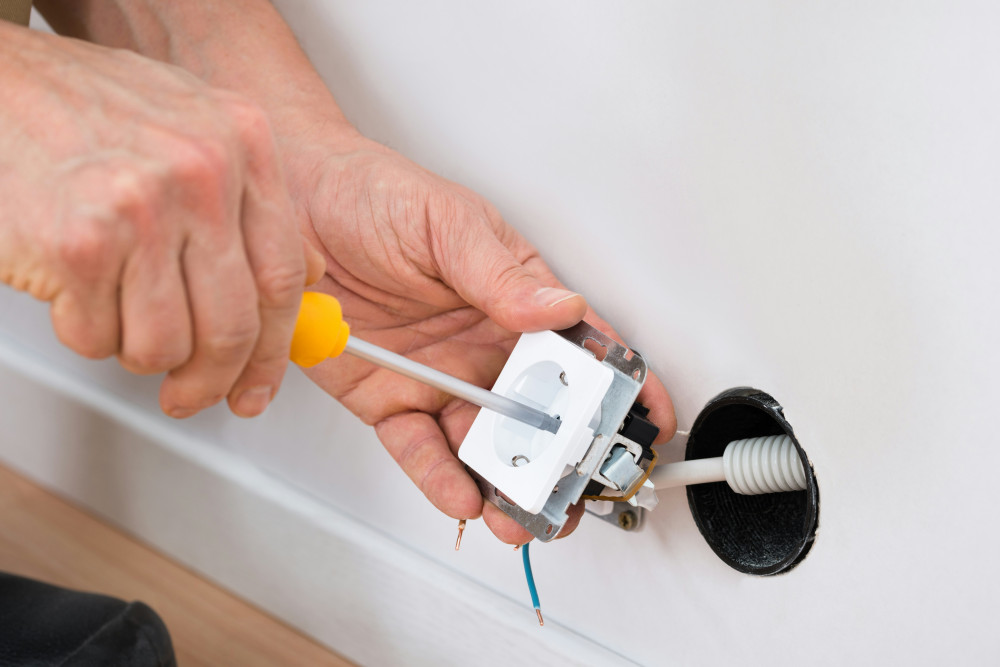
- Inspect sockets and switches – are they cracked, discoloured or loose?
- Look at your consumer unit (fuse box) – does it have modern circuit breakers and an RCD (Residual Current Device), or old rewireable fuses?
- Check visible wiring – in lofts or under stairs, look for plastic-sheathed cables (usually white or grey). If you see black rubber or fabric-covered wires, they should be replaced.
A modern installation should include PVC-insulated cables and RCD protection. If your system still relies on old fuse boxes or lacks RCDs, it’s a clear sign that an upgrade is needed.
Læs også:
When to call a professional
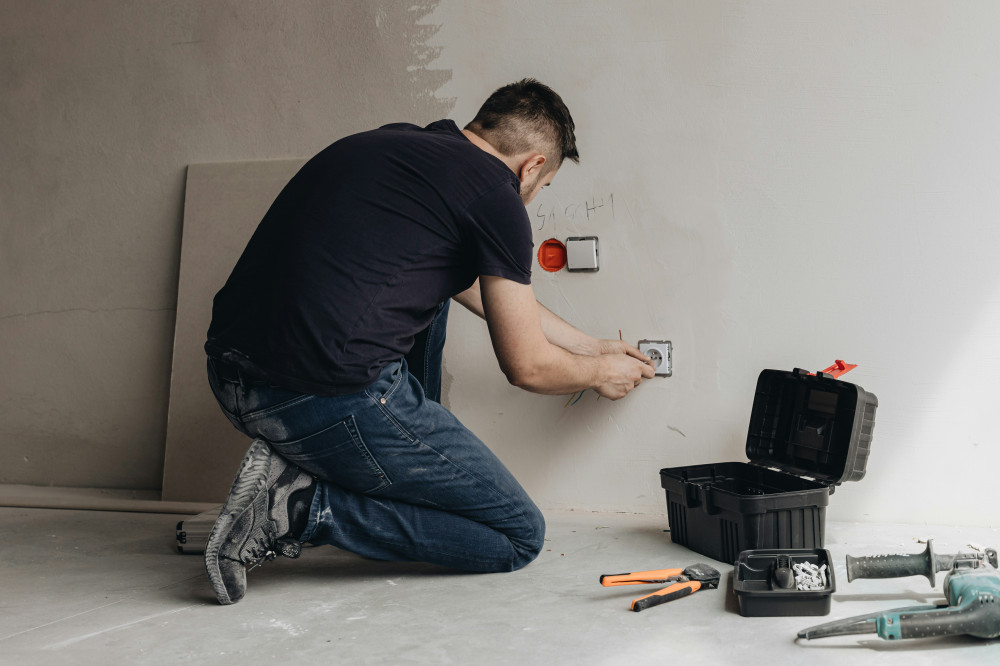
In the UK, all fixed electrical work must be carried out by a qualified electrician, and certain types of work are notifiable under Part P of the Building Regulations. You can replace a plug or light fitting yourself, but you should never alter wiring inside walls or the consumer unit unless you’re competent and certified.
Ask an electrician to:
- Carry out an Electrical Installation Condition Report (EICR) – a full inspection that assesses safety and compliance.
- Replace old wiring – especially if it’s rubber or fabric-insulated.
- Install RCD protection – if your consumer unit doesn’t already have it.
- Upgrade the consumer unit – to meet current safety standards and handle modern electrical loads.
An EICR is a worthwhile investment, particularly if you live in an older property or are planning renovation work. It can prevent fires, shocks and costly damage.
How to extend the life of your wiring
Even newer installations benefit from a bit of care. You can help prolong the life of your wiring and keep your home safe by:
- Avoiding overloading sockets with multiple high-power devices.
- Ensuring good ventilation around your consumer unit.
- Turning off the power before working near electrical fittings.
- Having your electrics checked every 10–15 years – or every 5 years for rented properties, as required by law.
Small habits can make a big difference to both safety and longevity.
A safer home with reliable wiring
Electricity is essential to modern life, but it demands respect. Old wiring might look harmless, yet it can hide serious risks. With a professional inspection and timely upgrades, you can ensure your home’s electrics are safe, efficient and ready for many more years of use.
Læs også: