Fire Safety in Homes with Elderly or Mobility-Impaired Residents – How to Adapt the Solution

Fire Safety in Homes with Elderly or Mobility-Impaired Residents – How to Adapt the Solution
When designing or adapting a home for older adults or people with limited mobility, safety is just as important as comfort and accessibility. One of the greatest risks in any home is fire, and for those who may struggle to move quickly or respond to alarms, the danger is even greater. Fire safety in these homes therefore requires special consideration and tailored solutions that take into account both physical and cognitive challenges.
Here’s a guide to how you can adapt fire safety measures to make a home both safe and practical for residents who need a little extra support.
Understanding the Specific Risks
Older people and those with mobility impairments are more vulnerable in the event of a fire because they may have slower reaction times, reduced hearing, or limited movement. Even a small fire can become life-threatening before it is noticed or controlled.
The most common causes of fire in this group include:
- Cooking – unattended pans or hobs left on.
- Electrical faults – damaged cables, lamps, or heaters.
- Smoking – especially in bed or on soft furnishings.
- Candles – which can easily be knocked over or forgotten.
Recognising these risks is the first step towards preventing them.
Læs også:

Smoke Alarms That Meet Individual Needs
A standard smoke alarm is essential, but it may not be sufficient for everyone. People with hearing loss or mobility issues may need more advanced systems.
- Interlinked alarms ensure that if one alarm sounds, all alarms in the home go off together – so the alert is heard (or seen) wherever the fire starts.
- Strobe and vibrating alarms are ideal for those with hearing impairments. They can be placed by the bed and use flashing lights or vibrations to wake the resident.
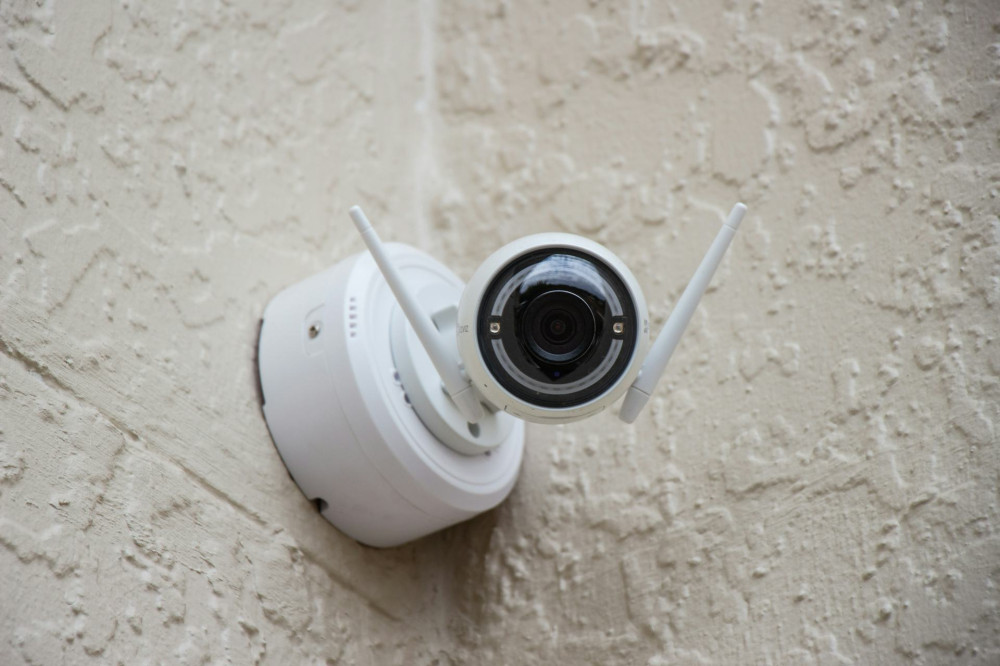
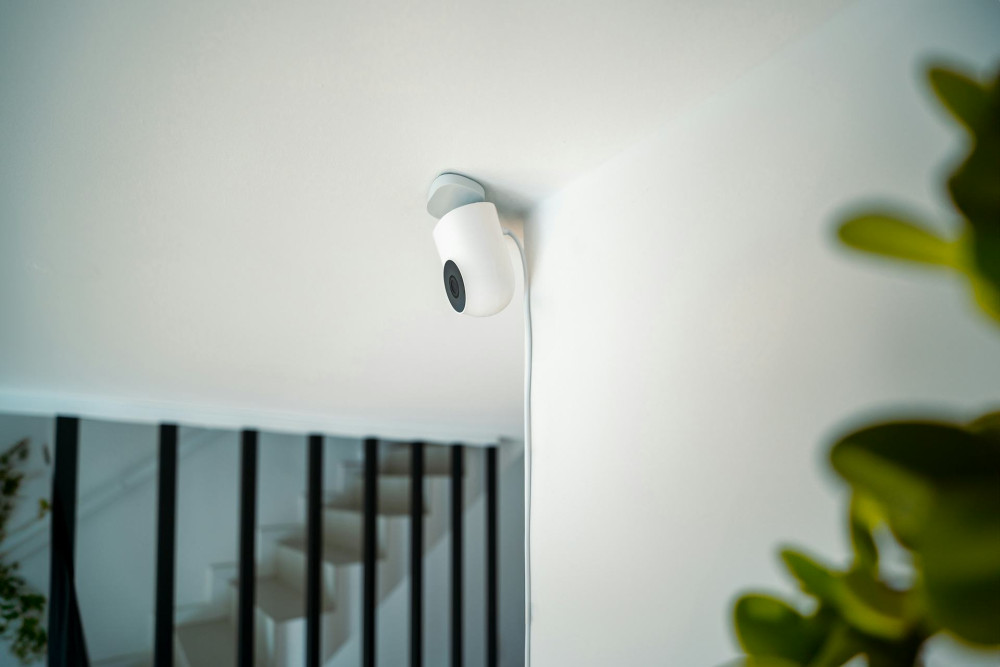
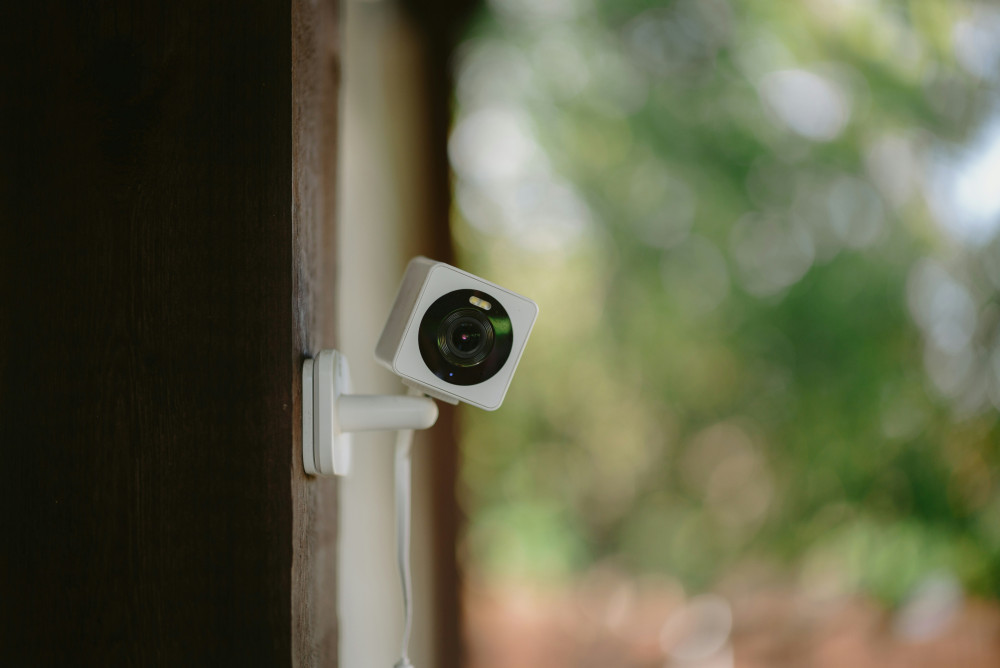
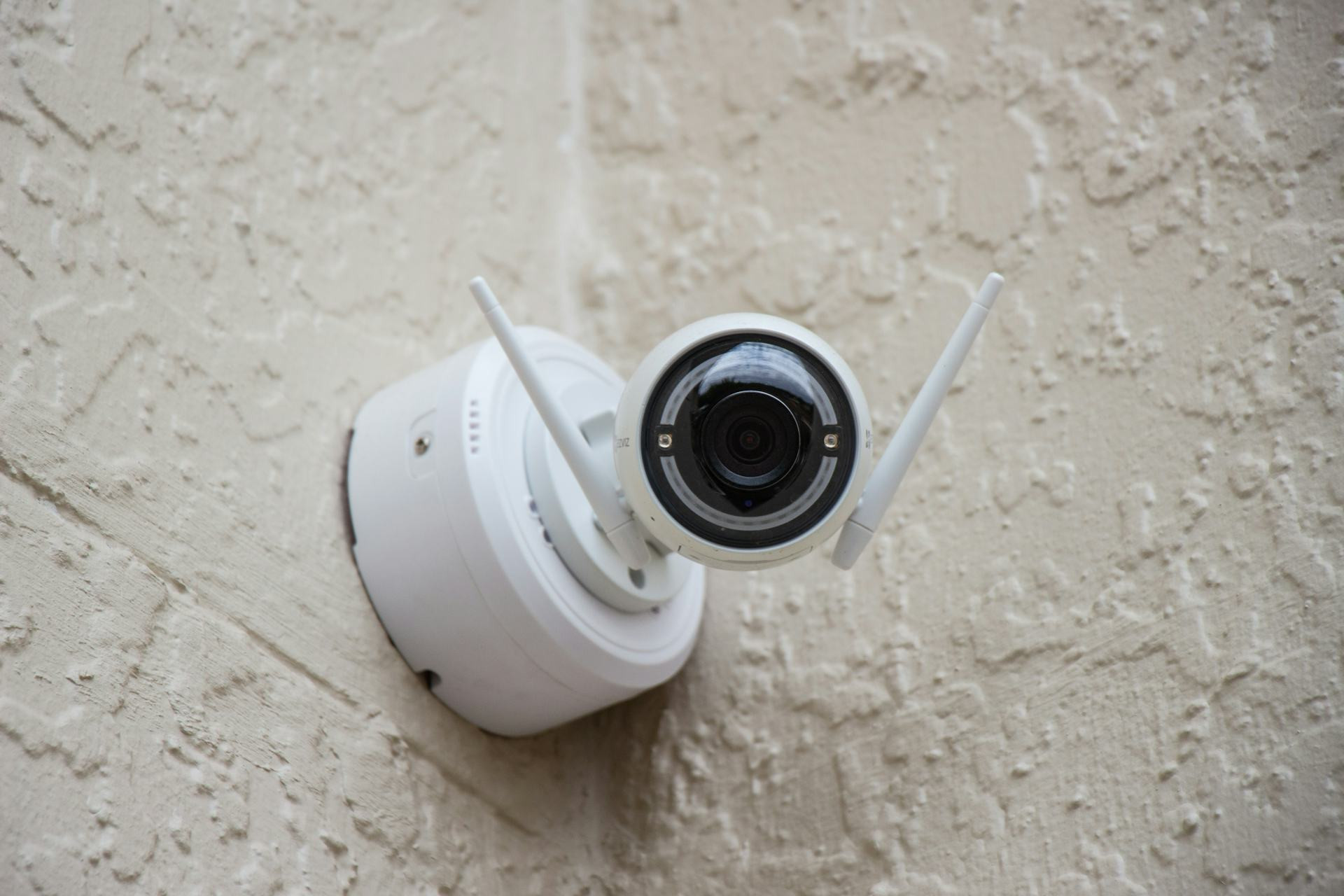
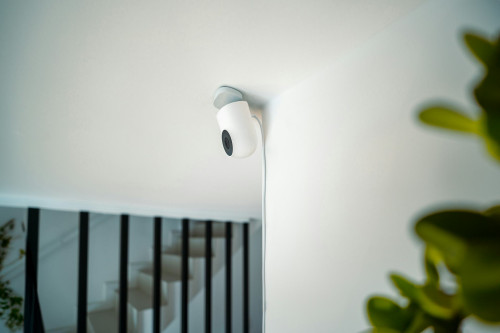
- Smart home systems can send alerts to family members, carers, or monitoring services via mobile devices if an alarm is triggered.
Whatever system is chosen, it’s vital that it’s easy to test and maintain – and that the resident understands how it works.
Kitchen Safety
The kitchen is one of the most common places for fires to start, but small adjustments can make a big difference.
- Cooker shut-off devices can automatically turn off the hob if no movement is detected in the kitchen after a set time.
- Timer plugs can prevent appliances like kettles or toasters from being left on for too long.
- Heat-resistant mats under small appliances can reduce the risk of ignition.
If memory problems are an issue, it can help to keep frequently used appliances in one accessible area and simplify the layout to reduce clutter and confusion.
Keeping Escape Routes Clear and Accessible
In a fire, being able to get out quickly – or be reached by rescuers – is crucial.
- Keep hallways and exits clear of furniture, wires, and rugs that could obstruct a wheelchair or walking aid.
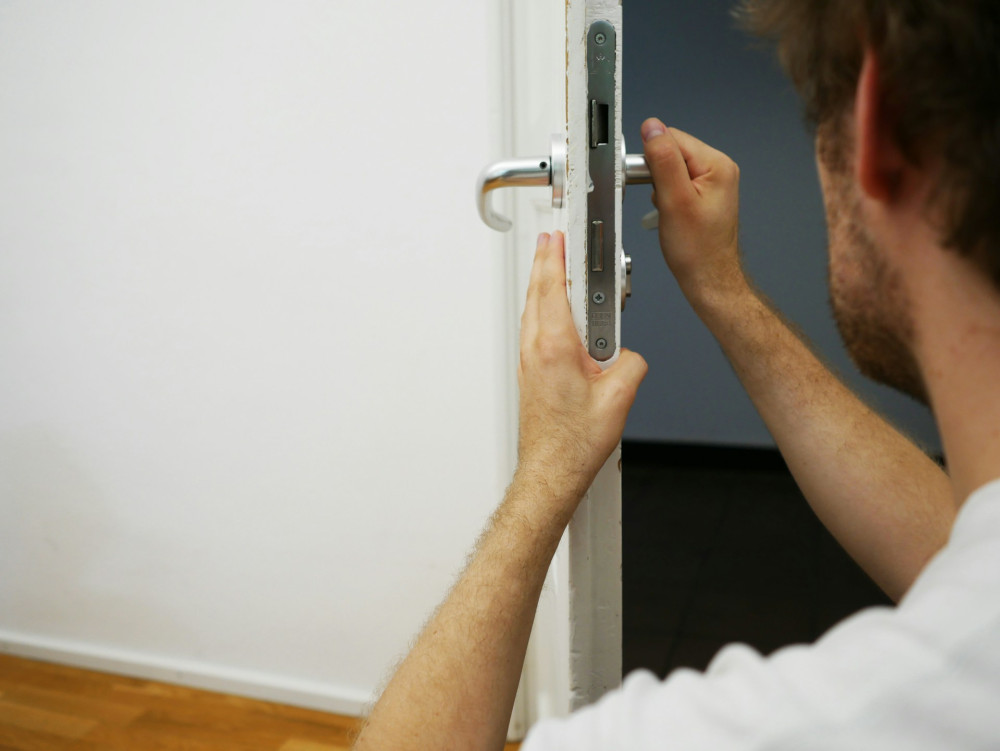
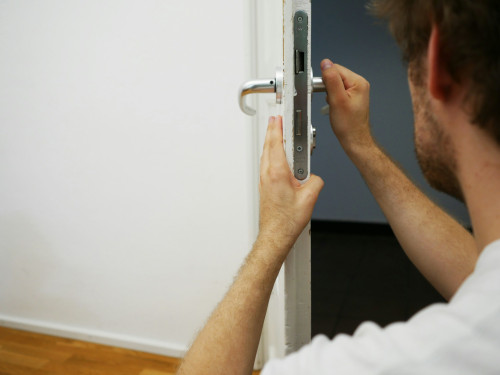
- Install easy-to-use door handles or automatic door openers to make exits simpler to operate.
- Highlight escape routes with lighting or reflective strips, especially for those with visual impairments.
- Plan for assistance – for example, ensure a neighbour, carer, or family member has a key or access code in case of emergency.
It’s a good idea to create a simple, visible fire escape plan so that both the resident and visitors know what to do if a fire occurs.
Everyday Fire Prevention
Fire safety often comes down to daily habits and routines.
- Always extinguish candles before leaving a room.
- Avoid smoking indoors, or use a non-flammable ashtray.
- Check that electrical appliances and cords are in good condition.
- Use LED candles or lights instead of open flames.
- Keep a fire extinguisher and fire blanket in accessible locations – and make sure everyone knows how to use them.
If the resident receives home care, it’s worth reviewing fire safety together with the care staff so everyone understands the equipment and procedures.
Peace of Mind Through Technology and Teamwork
Modern technology makes it easier than ever to maintain safety. Systems can now monitor smoke, heat, and movement, and automatically alert carers or emergency services if something goes wrong.
But technology alone isn’t enough. The best fire safety comes from cooperation between the resident, family, carers, and professionals. The goal is to find solutions that fit the individual’s needs and that everyone feels confident using.
A Home That Feels Safe Every Day
Fire safety in homes with elderly or mobility-impaired residents isn’t just about preventing accidents – it’s about creating peace of mind. When alarms are reliable, escape routes are clear, and technology provides support, both residents and their loved ones can feel more secure.
With the right adaptations, any home can remain a safe and comfortable place to live – even as needs change over time.
Læs også: