Flexible access with code and card locks for a safer home

Flexible access with code and card locks for a safer home
Feeling safe at home is about more than sturdy doors and windows – it’s also about how you control who can enter. As technology advances, it’s becoming easier to combine security with convenience. Code and card locks are a great example of this progress: they offer flexible access without compromising safety. Here’s a closer look at how they work and why they might be the right choice for British households.
Goodbye keys – hello flexibility
Most of us have experienced the frustration of rummaging through a bag for lost keys – or worse, realising they’re still inside the house. With a code or card lock, that worry disappears. You can unlock your door using a personal PIN, a key card, or a fob, and many models can also be connected to a smartphone app.
This means you can grant temporary access to tradespeople, cleaners, or guests without handing over a physical key. When they no longer need access, you simply delete their code or deactivate their card. It’s a level of flexibility that traditional locks can’t match.
Security at the forefront
While electronic locks may sound like a luxury, modern models are designed with robust security in mind. Most use encrypted communication between the lock and the device, and many are tested to meet British and European security standards such as BS EN 14846.
You can also keep track of who has entered your home and when – a useful feature for families who want to know when children arrive home, or for landlords managing short-term lets. If a card or fob is lost, it can be quickly deactivated, preventing unauthorised access.
Easy installation and user-friendly design
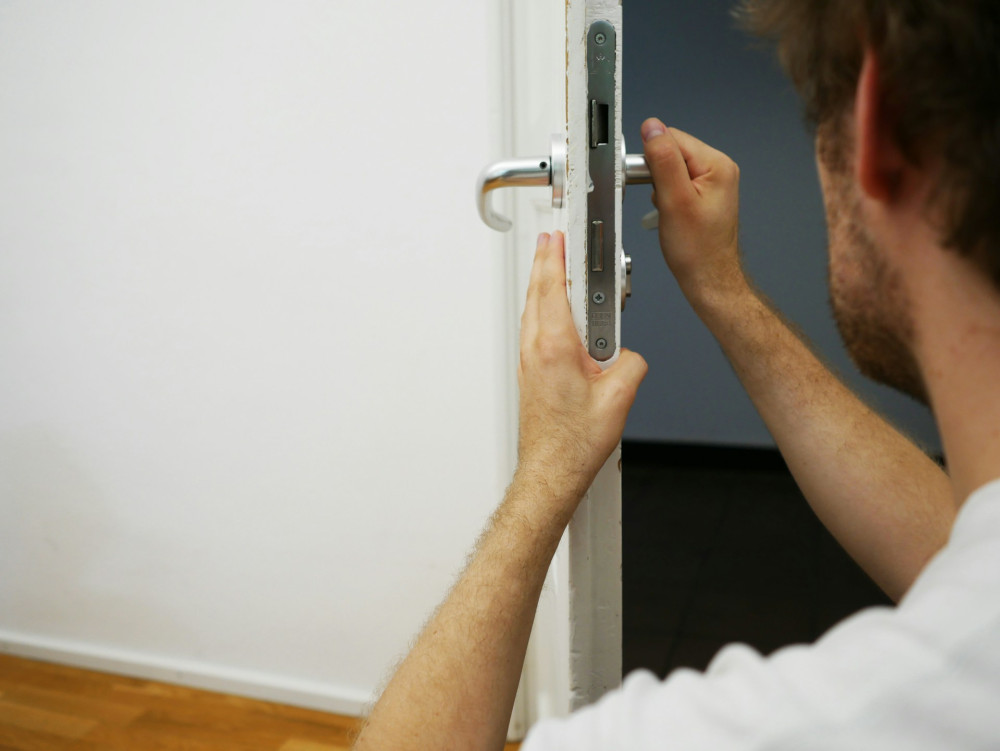
Code and card locks come in a wide range of styles – from simple retrofit models that fit existing doors to advanced systems integrated with alarms and smart home setups. Many can be installed without major modifications, and several manufacturers offer models compatible with standard UK door fittings.
Ease of use is a key advantage. Codes can be changed in seconds, and access cards can be programmed for different users. For older residents or children who often misplace keys, this can make daily life much simpler.
When technology meets peace of mind
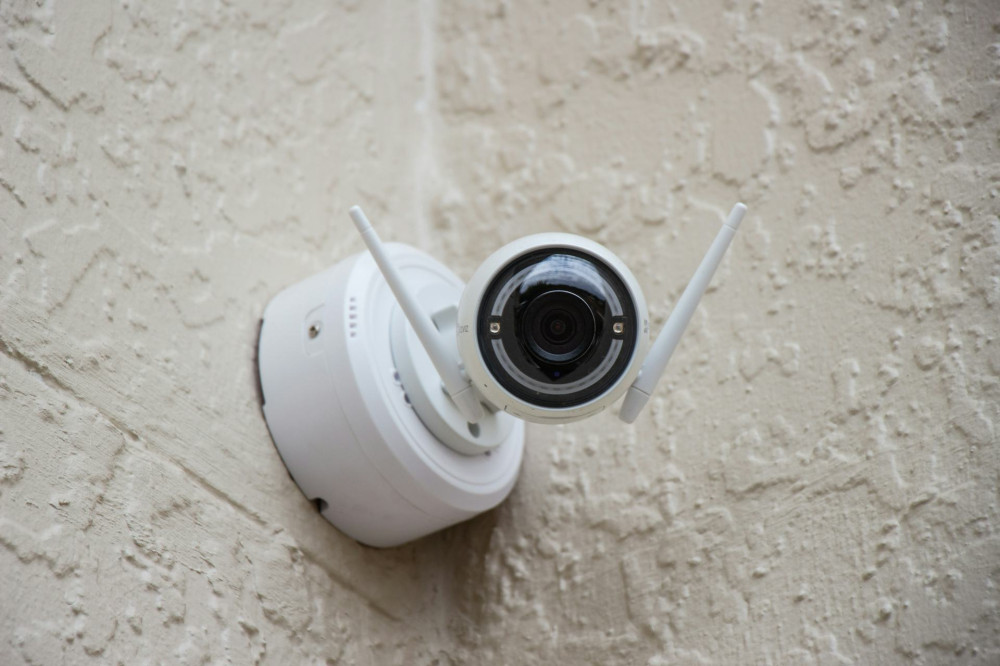
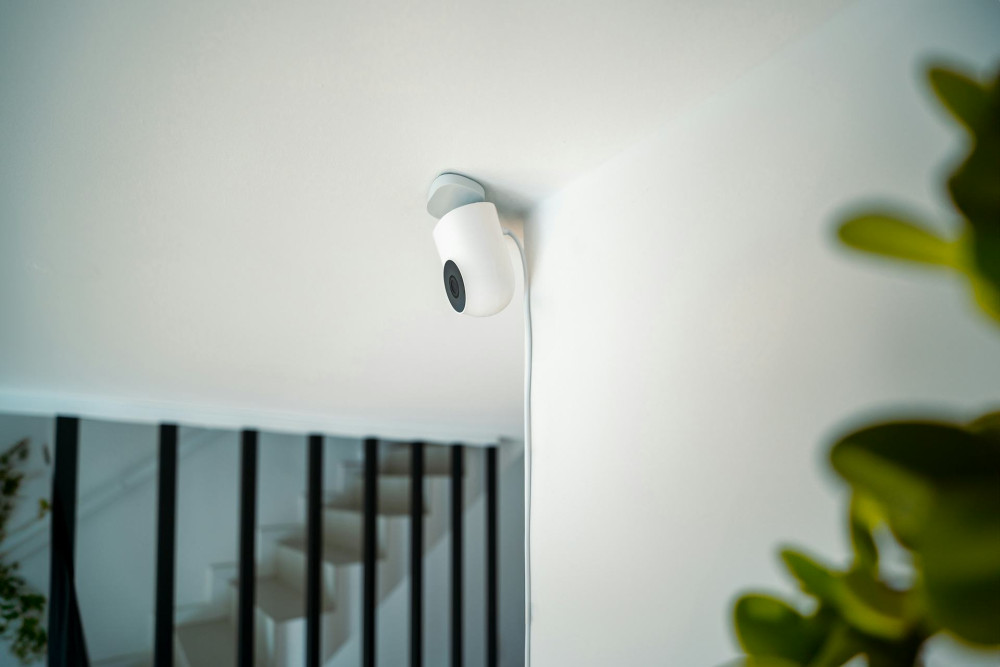
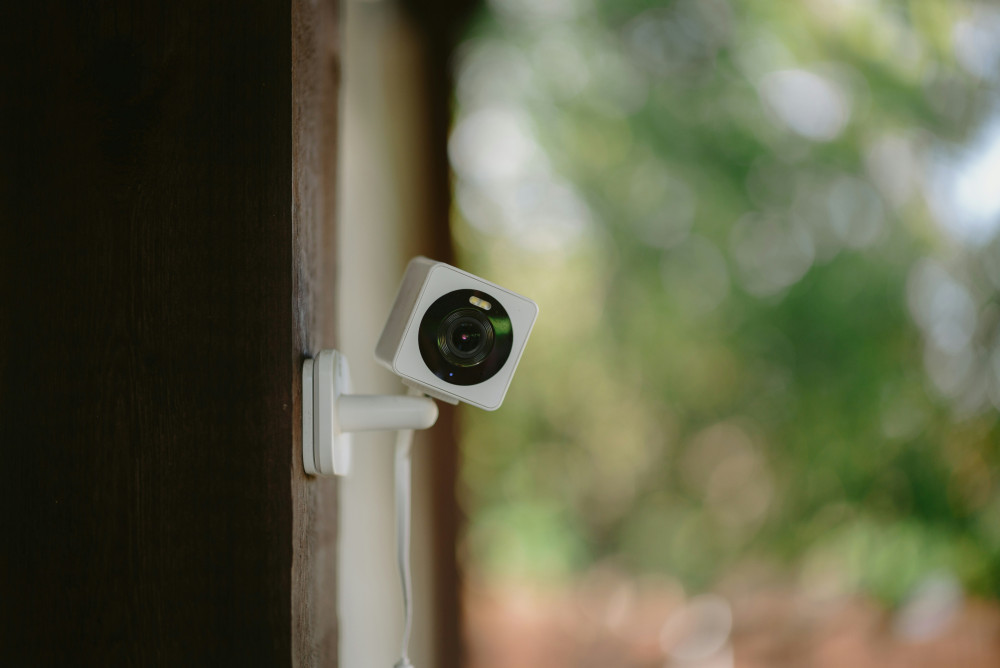
One of the biggest benefits of modern locking systems is their ability to connect with other security solutions. You can receive notifications on your phone when the door is unlocked, or link the lock to your home alarm or CCTV system. This gives you a complete overview of your home’s security – wherever you are.
Many locks are also designed with style in mind. They come in sleek, discreet designs that suit both traditional and contemporary British homes, so you don’t have to sacrifice aesthetics for safety.
Choosing the right solution for your home
When selecting an electronic lock, think about how you use your home. If you live in a flat, a simple keypad or fob lock may be sufficient. For larger houses or holiday homes, a model that can be managed via an app and allows temporary guest access might be more practical.
It’s also worth considering power supply. Most electronic locks run on batteries that last several months, and they usually alert you well in advance when it’s time to replace them – so you won’t risk being locked out.
Læs også:

An investment in comfort and security
Code and card locks aren’t just a technological trend – they represent a new way of thinking about home security. They combine safety, flexibility, and convenience in a way that fits modern lifestyles. For many homeowners, they’re an investment that enhances both comfort and peace of mind.
Whether you live alone, with family, or rent out your property, an electronic lock can be a smart step towards a safer, more convenient home.
Læs også: