Smart homes enhance both security and sustainability


Smart homes enhance both security and sustainability
In recent years, technology has truly moved into our homes. From intelligent thermostats and motion sensors to voice-controlled assistants and automated lighting systems, so-called “smart homes” are no longer futuristic concepts but an everyday reality for many households across the UK. Yet the development is about more than convenience and comfort. Smart home solutions can strengthen home security while also supporting a more sustainable lifestyle.
Security through innovation
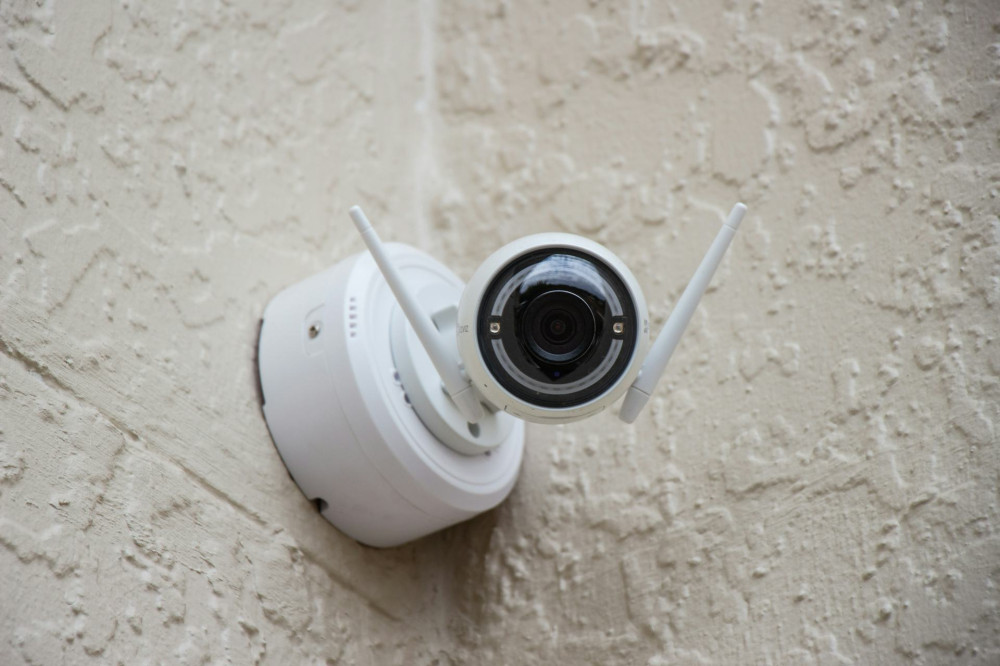
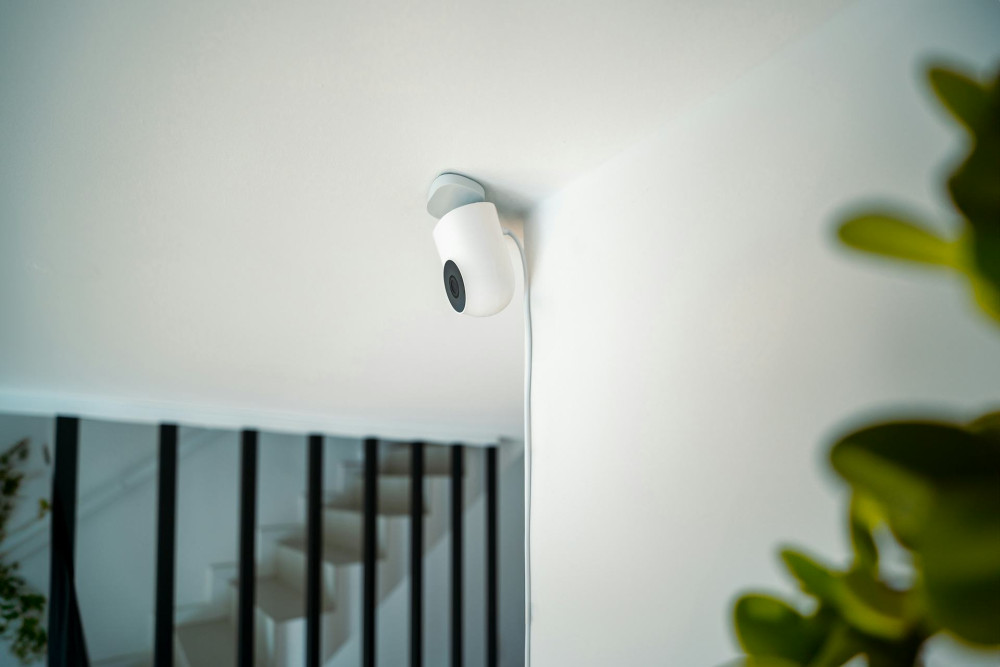
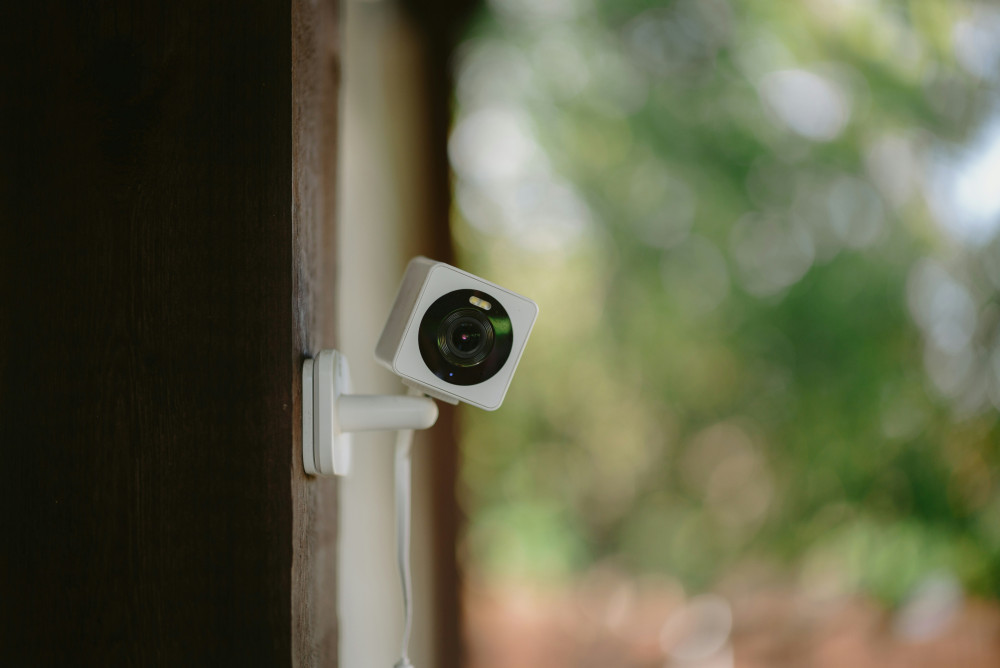
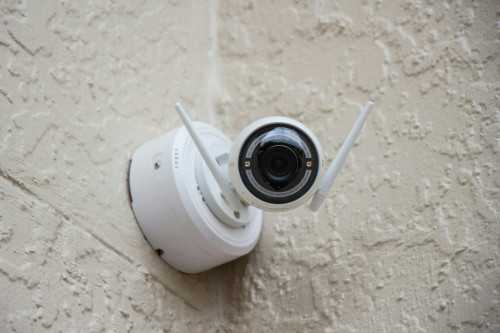
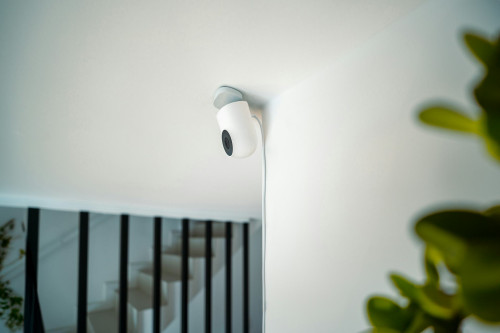
One of the main reasons people invest in smart home technology is to improve safety. Modern alarm systems can now be connected directly to your smartphone, sending instant alerts if motion, smoke, or water leaks are detected. Smart cameras equipped with artificial intelligence can distinguish between family members, guests, and strangers, while video doorbells allow you to see who’s at the door – even when you’re away.
For older residents or those with special needs, smart technology can provide an extra layer of reassurance. Sensors can detect falls or unusual inactivity and automatically notify relatives or carers. This gives both residents and their families greater peace of mind.
Læs også:

Energy efficiency and sustainability
Smart homes are not just about security – they also play a key role in reducing energy consumption and carbon emissions. Intelligent systems can monitor and adjust energy use in real time. Smart thermostats learn your daily routines and adapt heating schedules, ensuring energy isn’t wasted when no one is home. Lights and appliances can switch off automatically, and solar panels can be integrated into the system to make the most of renewable energy.
According to the UK’s Energy Saving Trust, households can cut their energy use by up to 20 per cent through smart energy management. That means lower utility bills and a smaller environmental footprint – a win for both homeowners and the planet.
Balancing data and privacy
As our homes become more connected, new questions arise about data protection and privacy. Smart devices collect large amounts of information about our daily habits, so it’s essential to handle that data responsibly. Choosing products from manufacturers that prioritise cybersecurity and keeping software up to date are key steps in protecting your privacy.
Experts also recommend placing smart devices on a separate Wi-Fi network, preventing them from accessing personal files or computers. This way, you can enjoy the benefits of a connected home without compromising your digital security.
Everyday convenience
Most people start small – perhaps with a smart bulb that can be controlled via an app, or a thermostat that automatically adjusts the temperature. As technology becomes more affordable and user-friendly, many choose to expand their systems with sensors, alarms, and voice control.
Smart homes can also make daily life easier: your coffee machine can start brewing when your alarm goes off, blinds can open automatically in the morning, and your robot vacuum can clean while you’re at work. The goal isn’t to replace human thoughtfulness, but to use technology as a tool for a more efficient and comfortable home.
The home of the future is secure and sustainable
The development of smart home technology is moving fast, and as systems become more integrated, the boundaries between comfort, security, and sustainability are fading. The home of the future will not only respond to our needs but anticipate them – while helping us live more sustainably.
For many Britons, the question is no longer whether to adopt smart home technology, but how to do so in a way that fits their lifestyle and values. With the right balance between innovation, safety, and responsibility, smart homes can become a cornerstone of both personal well-being and the UK’s green transition.
Læs også: