Harness Nature’s Power: Sun, Wind, Water and Biomass in Your Home

Harness Nature’s Power: Sun, Wind, Water and Biomass in Your Home
Renewable energy is no longer the preserve of large energy companies or rural farms with their own turbines. Today, British homeowners can harness nature’s power – sun, wind, water and biomass – to create more sustainable and cost‑efficient homes. It’s not just about cutting your energy bills, but also about taking an active role in the UK’s transition to a greener future. Here’s how you can bring natural energy into your own home.
The Sun – the most accessible source of energy
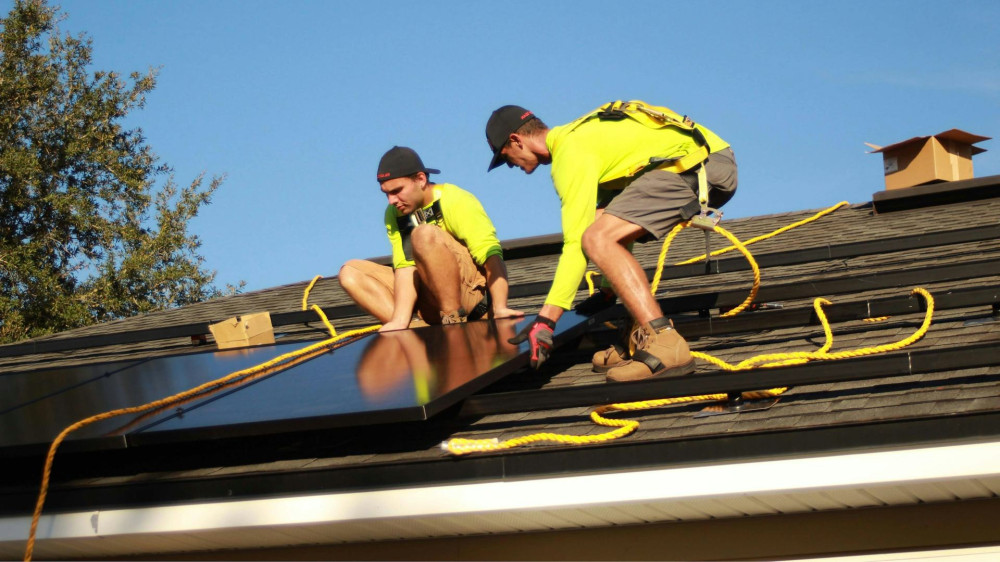
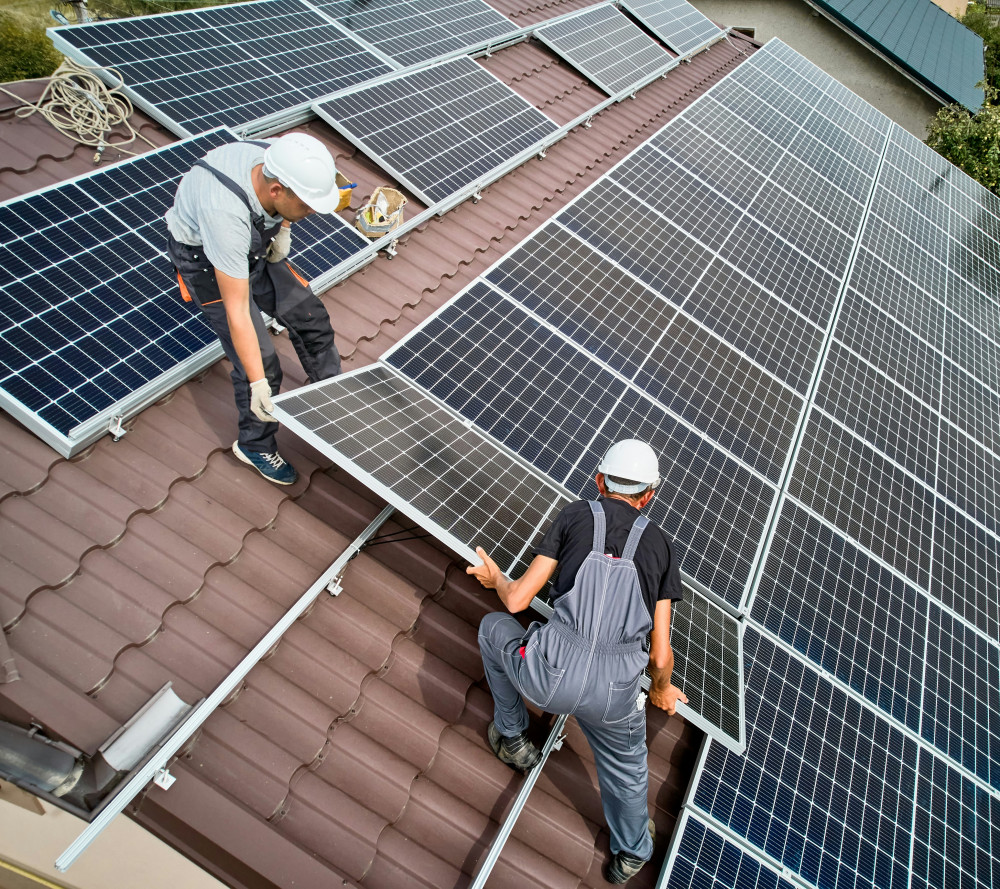
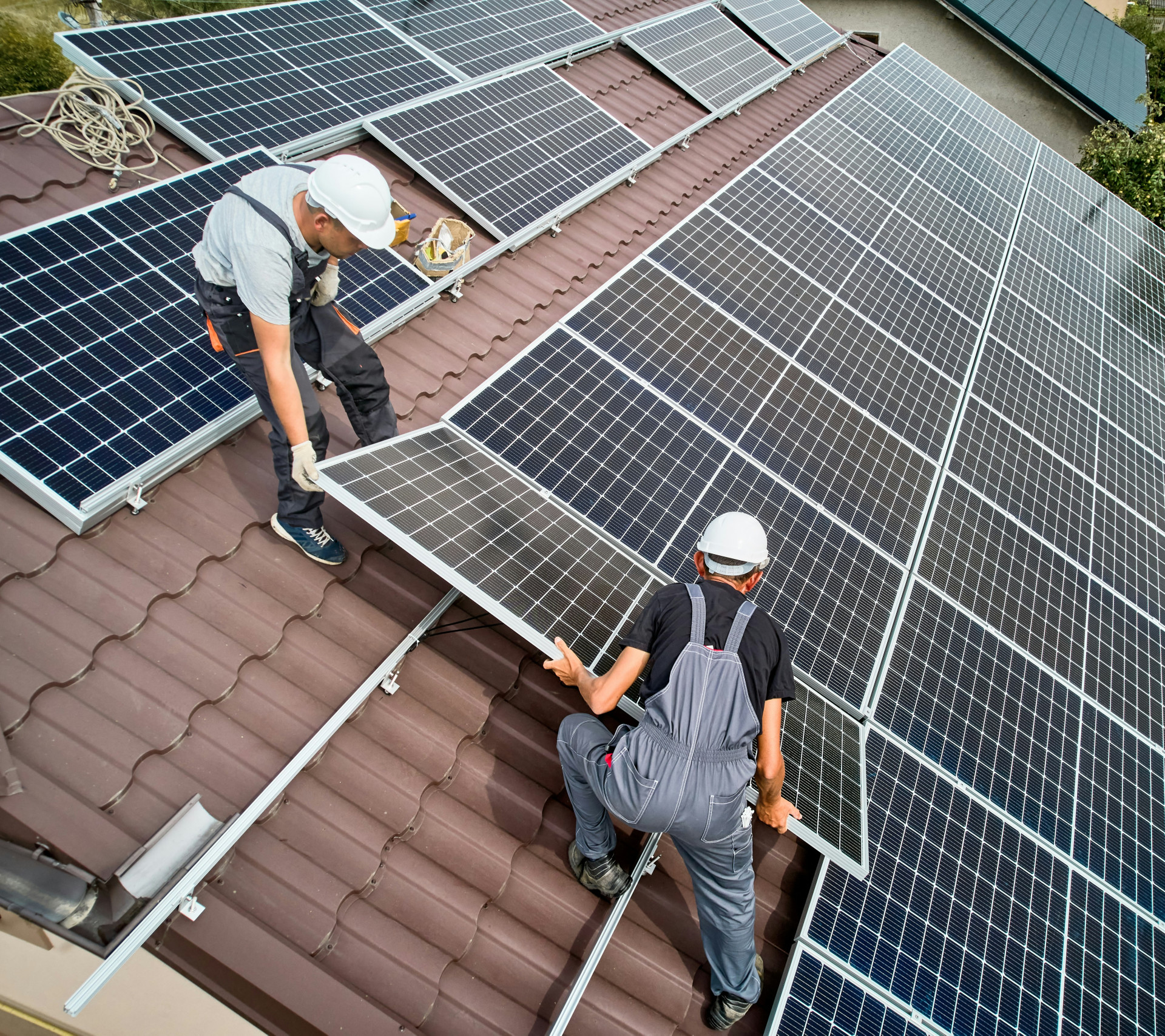
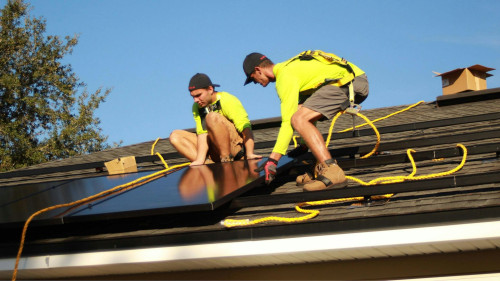
Solar energy is the most common form of renewable energy for households. With solar panels on your roof, you can generate your own electricity, while solar thermal systems can provide hot water for everyday use.
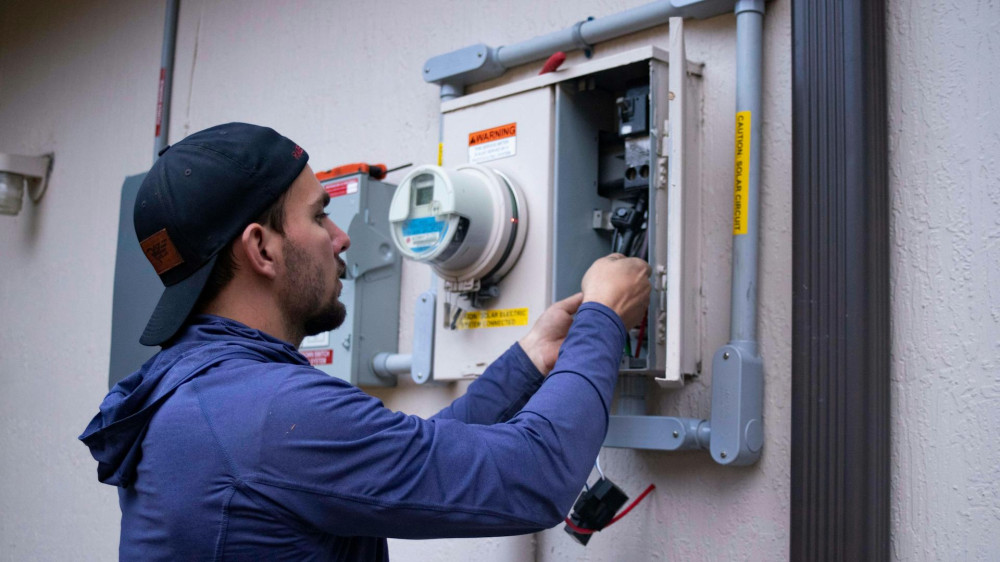
- Solar photovoltaic (PV) panels convert sunlight directly into electricity. They require little maintenance and can last 25–30 years. Excess power can be stored in a home battery or sold back to the National Grid through the Smart Export Guarantee.
- Solar thermal panels use the sun’s heat to warm water for showers, washing and heating systems.
Even in the UK, where sunshine can be unpredictable, solar energy can cover a significant share of a household’s needs. The key is proper placement – ideally facing south and free from shade caused by trees or nearby buildings.
Læs også:

Wind – small turbines, big potential
Wind energy is often associated with large offshore or onshore wind farms, but smaller domestic turbines are also available. A home wind turbine can complement solar panels, especially since the wind often blows when the sun isn’t shining.
To get the best results, you’ll need a location with consistent wind – typically in rural or coastal areas. Installation may require planning permission, and it’s important to check local noise and height regulations before proceeding.
Although the initial investment can be substantial, a well‑sited turbine can generate enough electricity to power much of your home – and sometimes even produce a surplus to feed into the grid.
Water – energy in motion
Hydropower is one of the oldest renewable energy sources, and while large‑scale hydro isn’t practical for most UK homes, small‑scale systems can still make a difference.
If you live near a stream or river with a suitable flow and drop, a micro‑hydro system could generate a steady supply of electricity. Even modest installations can provide a reliable contribution to your household’s energy mix.
For most homeowners, however, it’s more realistic to focus on water efficiency and heat recovery. A heat‑recovery ventilation system can capture warmth from used air and water, reducing waste and improving overall energy efficiency. It’s an indirect way of using water’s energy – but one that can have a big impact on your bills.
Biomass – nature’s own fuel
Biomass refers to organic materials such as wood, pellets, agricultural waste and biogas. In many British homes, biomass is already used in the form of wood‑burning stoves or pellet boilers, which can be an efficient and low‑carbon alternative to oil or gas heating.
Modern pellet boilers are highly efficient and can be automated, requiring minimal daily attention. If you have access to affordable or locally sourced biomass, it can be a cost‑effective and sustainable solution.
Biogas is also gaining ground in the UK, particularly in rural areas. Produced from food waste, manure or other organic materials, it can be used for heating, cooking or even fuelling vehicles – turning waste into valuable energy.
Combine the forces – and maximise your energy
The greatest benefits often come from combining several renewable sources. A hybrid system that integrates solar panels, a heat pump and possibly biomass can provide a stable and flexible energy supply throughout the year.
In summer, solar power can meet most of your needs, while wind or biomass can take over during darker months. With a battery or thermal storage tank, you can store energy and use it when demand is highest.
It takes planning and investment, but many homeowners find that the system pays for itself over time – both financially and environmentally.
Prepare your home for the future
Harnessing nature’s power isn’t just about technology – it’s also about awareness. Small changes in habits, such as using appliances when the sun is shining or improving insulation, can make a big difference.
Before you start, consider getting a home energy assessment. It will show where your investment will have the greatest impact and how to combine different solutions effectively.
By working with nature rather than against it, you can create a home that’s greener, cheaper to run and more self‑sufficient – while contributing to a cleaner, more sustainable future for the UK.
Læs også: