Motivation for Energy Savings through Visualisation and Feedback

Motivation for Energy Savings through Visualisation and Feedback
How do we encourage people to save energy – not just for a short while, but as a lasting habit? Research and experience suggest that the key often lies in visualisation and feedback. When we can see our energy use, understand its consequences, and track our progress, saving energy becomes more tangible and motivating. This article explores how data, design, and behaviour interact to create lasting changes in energy habits.
From Invisible Consumption to Visible Behaviour
Energy use is, by nature, invisible. We switch on the lights, turn up the heating, or run the washing machine without sensing how much energy is being consumed. Only when the bill arrives do we get a glimpse of our usage – and by then, it’s too late to change our behaviour.
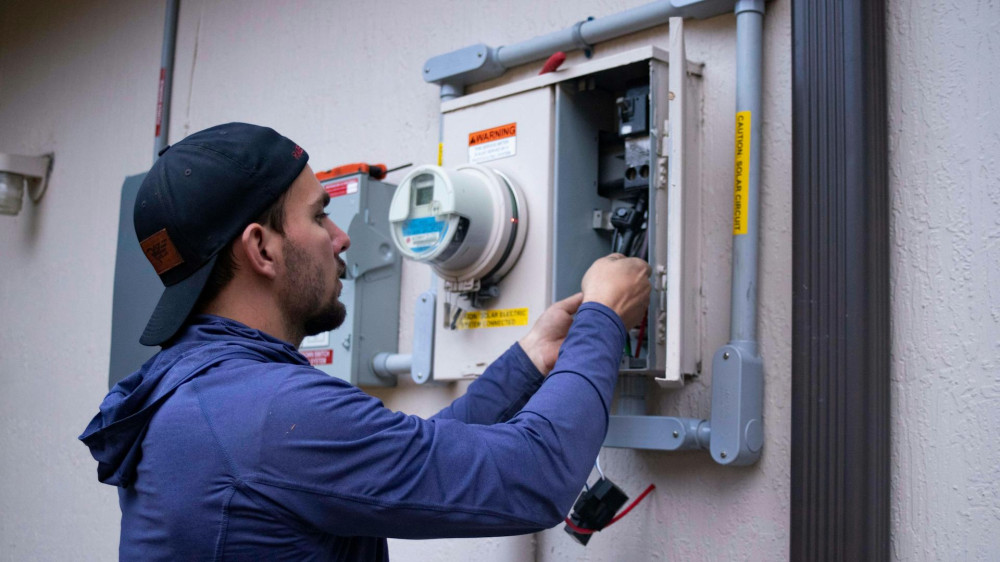
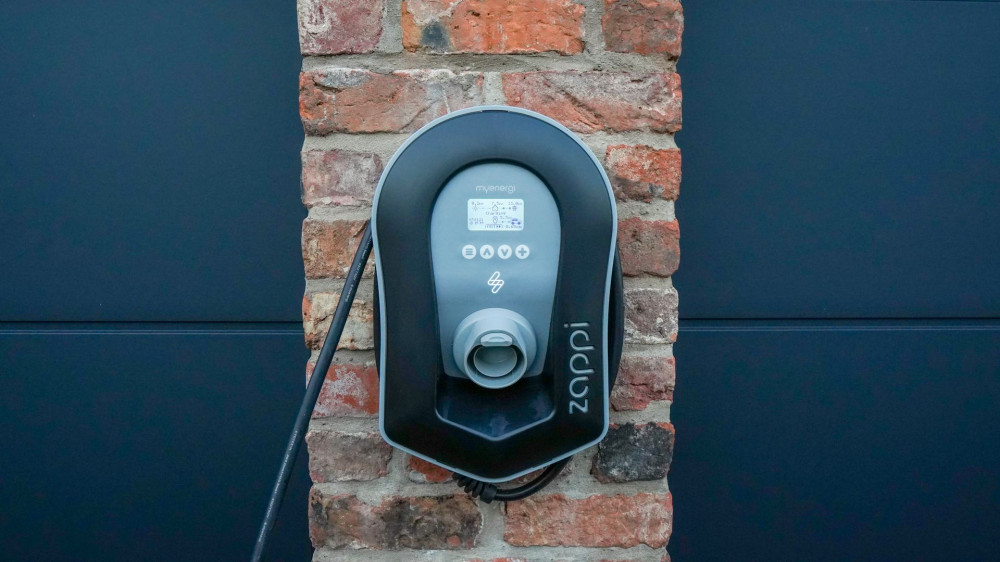
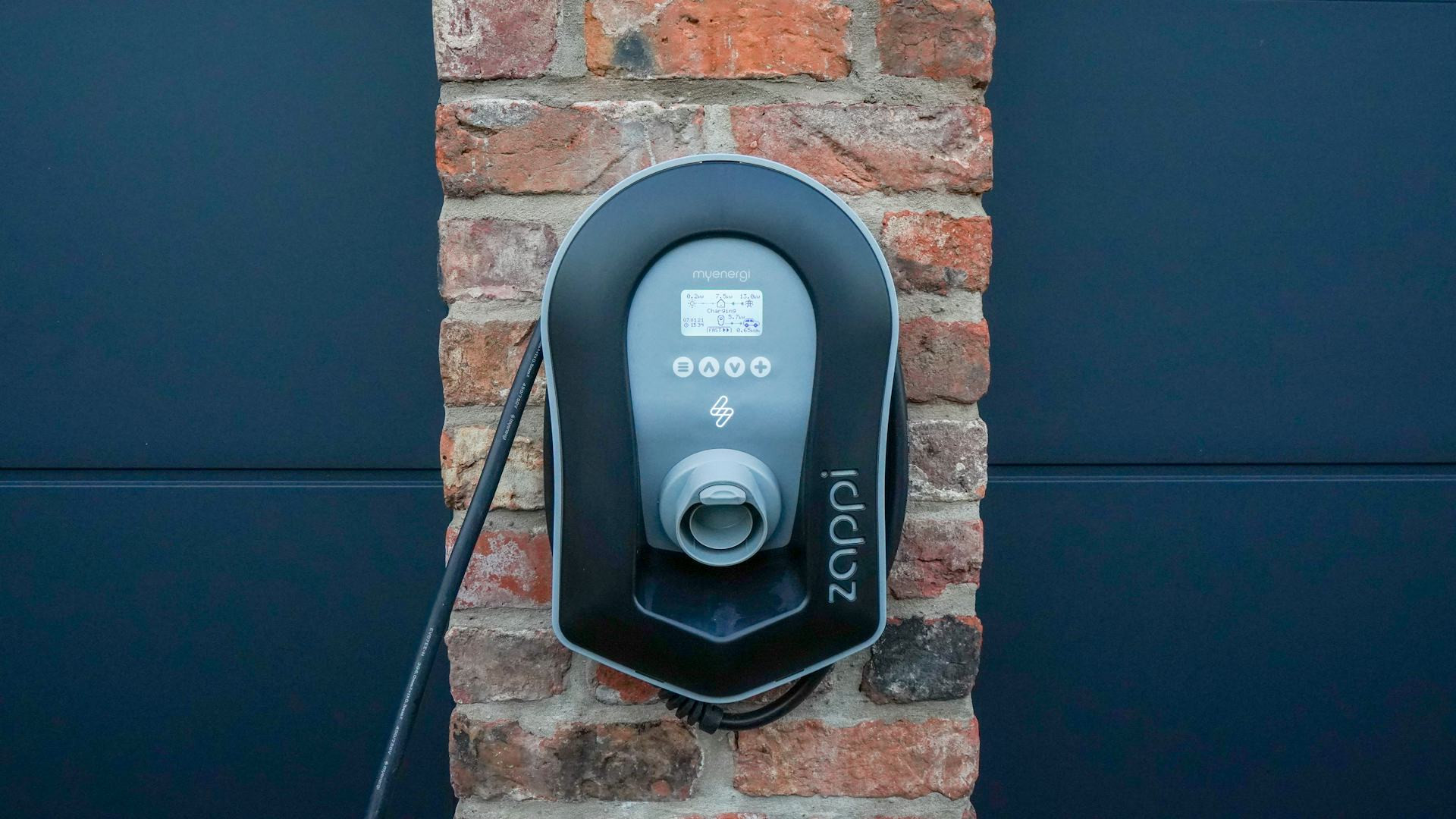
Visualisation makes the invisible visible. This can take the form of energy displays, apps, or smart meters that show consumption in real time. When you can see how electricity use spikes when the oven is on, or how much heat escapes through open windows, energy use suddenly becomes concrete. It creates a direct link between action and consequence – and with that, motivation to act differently.
Feedback as a Driving Force
Visualisation alone is not enough. It is the feedback – the ongoing response to our actions – that makes the real difference. Feedback can be delivered in several ways:
- Numerical feedback, showing precise figures for consumption and savings.
- Graphical feedback, using charts or colours to make trends easy to read.
- Social feedback, comparing your usage with that of similar households or the local average.
The social element is particularly powerful. When people see that their household uses more energy than comparable homes, a natural desire to improve arises. It’s not about competition in the traditional sense, but about fostering a sense of community and shared responsibility.
Small Changes, Big Impact
When people receive feedback on their energy use, they often start with small adjustments: turning off lights in empty rooms, lowering the thermostat by one degree, or running appliances at more efficient times. These changes may seem minor, but together they make a significant difference – both for household budgets and for the environment.
Studies across Europe have shown that households receiving continuous feedback reduce their energy consumption by an average of 5–15 per cent. This demonstrates that motivation doesn’t necessarily require large investments, but rather awareness and attention.
Læs også:
Design that Motivates
How feedback is presented has a major influence on its effectiveness. Good design should be simple, intuitive, and relevant. Too many numbers and graphs can be confusing, while too little information makes it hard to act on the data.
An effective energy display typically shows:
- Current consumption in pounds and kilowatt-hours.
- Comparisons with previous periods.
- Practical suggestions for further savings.
Some systems also use gamification – small games or rewards that make saving energy enjoyable. This might include points, badges, or virtual goals that users can achieve. It may sound simple, but it taps into our natural desire to see progress and receive recognition.
From Individuals to Communities
Visualisation and feedback work not only at the individual level. When entire housing associations, companies, or local councils make energy use visible, a shared awareness emerges. This can lead to community initiatives to reduce consumption – for example, by improving lighting, insulation, or ventilation.
Several UK councils have experimented with public energy dashboards in schools, offices, and community centres, allowing pupils, staff, and residents to follow energy use in real time. This fosters dialogue, engagement, and a sense of collective responsibility for resources.
Motivation that Lasts
The greatest challenge is maintaining motivation over time. Interest is often high at first but can fade as the novelty wears off. That’s why feedback systems need to evolve – with regular updates, new goals, and relevant information.
When visualisation and feedback become a natural part of daily life, they can change our behaviour in the long term. It’s not just about saving money, but about understanding our role in the wider energy system – and taking responsibility for a more sustainable future.
Læs også: