Insulation That Pays Off – Lower Heating Consumption and Reduced CO₂ Emissions

Insulation That Pays Off – Lower Heating Consumption and Reduced CO₂ Emissions
When the British winter sets in and energy bills start to climb, it’s tempting to turn up the thermostat. But a far more effective and sustainable solution is to keep the heat where it belongs – inside your home. Good insulation is one of the smartest investments you can make. It cuts heating costs, lowers CO₂ emissions, and makes your home more comfortable all year round. Here’s why insulation truly pays off – for your wallet, your comfort, and the planet.
Why Insulation Makes a Difference
Insulation works by reducing heat loss through your home’s structure – the roof, walls, floors, and windows. In a poorly insulated property, a large share of the heat you pay for simply escapes outdoors.
By improving insulation, you can typically reduce heating demand by 20–50%, depending on the age and condition of your home. That means lower bills and a smaller carbon footprint. You’ll also enjoy a more stable indoor temperature, fewer draughts, and no more cold walls.
The Most Effective Areas to Insulate
If you’re considering improving your home’s insulation, start where the heat loss is greatest.
- Loft – Up to a quarter of a home’s heat can be lost through the roof. Adding or upgrading loft insulation is often the most cost-effective improvement.
- Walls – Many older British homes have uninsulated cavity or solid walls. Cavity wall insulation can be installed quickly and usually pays for itself within a few years.
- Floors – Insulating floors above unheated spaces, such as garages or crawl spaces, helps keep your feet warm and reduces energy use.
- Windows and doors – Replacing single glazing with double or triple glazing, or simply sealing gaps and adding draught-proofing strips, can make a noticeable difference.
An accredited energy assessor can help identify where your home is losing the most heat and which improvements will give you the best return.
Læs også:

The Financial Benefits
Although insulation requires an upfront investment, the payback period is often short. For example, adding loft insulation can cost a few hundred pounds but save you around £200–£300 a year on heating, depending on your energy prices and home type.
Improved insulation also increases your property’s value. A better Energy Performance Certificate (EPC) rating makes your home more attractive to buyers and can even reduce mortgage costs with some green finance options.
There are also government-backed schemes and grants available across the UK, such as the Great British Insulation Scheme, which can help cover part of the cost. It’s worth checking what support you may be eligible for before starting work.
Lower CO₂ Emissions – A Shared Responsibility
Heating homes accounts for a significant portion of the UK’s total energy use and carbon emissions. Every household that improves its insulation contributes to the national effort to reach net zero.
A typical semi-detached home that upgrades its insulation can cut CO₂ emissions by several hundred kilograms per year – the equivalent of driving thousands of miles less. These savings happen automatically, every time you use less energy to stay warm.
Comfort and a Healthier Home
Insulation isn’t just about saving money or protecting the environment – it’s also about comfort. A well-insulated home feels warmer in winter and cooler in summer. The temperature stays more consistent, and you’ll notice fewer draughts and cold spots.
Better insulation also helps prevent condensation and mould by keeping surfaces warmer and reducing moisture build-up. That means a healthier indoor environment for you and your family.
How to Get Started
- Book an energy assessment – A professional survey will show where your home is losing heat and which improvements will have the biggest impact.
- Tackle the biggest heat losses first – Start with the loft and walls before moving on to floors and windows.
- Choose the right materials – Options include mineral wool, cellulose, wood fibre, or foam insulation, depending on your home’s structure and budget.
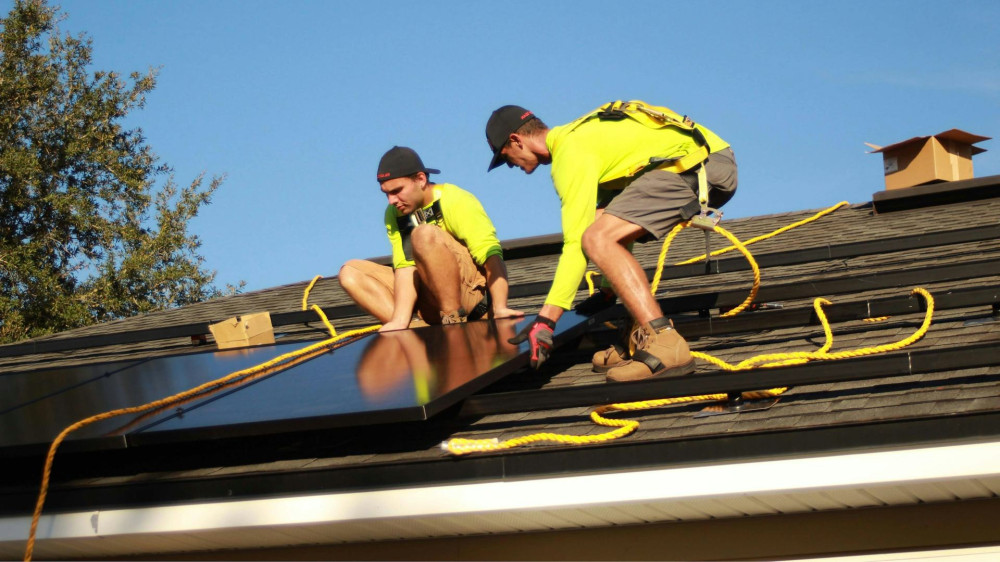
- Think holistically – Combine insulation with draught-proofing, proper ventilation, and possibly renewable heating solutions like a heat pump or solar panels.
With a clear plan, you can make your home more efficient, comfortable, and environmentally friendly.
An Investment That Keeps Giving
Insulation is one of the few home improvements that pays for itself from day one – and continues to deliver value year after year. You’ll notice the difference on your energy bills, in your comfort, and in your contribution to a greener future.
By insulating your home, you’re not just investing in your property – you’re investing in a more sustainable Britain. It’s a decision that benefits you today and generations to come.
Læs også: