Know Your Ground: Where Does the Water Naturally Flow?

Know Your Ground: Where Does the Water Naturally Flow?
When the rain falls, it doesn’t simply vanish. It moves – through soil layers, across surfaces, and into drains – eventually finding its way into the ground, a nearby stream, or the public drainage system. For homeowners, understanding where water naturally flows on your property can make all the difference. It’s not just about preventing flooding, but also about working with the land’s natural drainage and ensuring your home’s systems function efficiently.
Here’s a guide to help you get to know your ground – and understand how water moves beneath your feet.
Understand Your Soil
The first step is to identify what type of soil you have. The composition of your soil determines how quickly water drains away.
- Sandy soil allows water to pass through quickly. This reduces surface water but can lead to dryness in summer.
- Clay soil holds onto water, which can make it heavy and waterlogged after rain. Puddles and surface water are more likely here.
- Loamy soil sits somewhere in between – it can absorb and release water effectively, depending on how compact it is.
You can test your soil easily: dig a hole about 30 cm deep, fill it with water, and see how long it takes to drain. If the water is still there after 24 hours, your soil is dense, and you may need to consider drainage improvements.
Læs også:

Observe the Terrain
Even small changes in elevation can affect where water collects. After a heavy downpour, take a walk around your garden and note where puddles form and where the ground dries quickly.
- If your house sits lower than the garden, rainwater may flow towards the foundations.
- On sloping ground, water will naturally run to the lowest point – often a driveway, basement entrance, or garden corner.
- A lawn with shallow dips can act as a natural collection area, while hard surfaces like paving and tarmac direct water elsewhere.
By mapping your terrain, you can plan where to guide the water – for example, towards a rain garden or soakaway.
Check Your Surfaces
Flooding often results not from the amount of rain, but from poor infiltration. Hard surfaces such as concrete, paving, and asphalt prevent water from soaking into the ground.
Consider replacing impermeable surfaces with more porous materials. Permeable paving, gravel, or reinforced grass allow water to seep into the soil where it falls. This relieves pressure on the drainage system and reduces the risk of water pooling near your home.
If you have large paved areas, you can also create shallow channels or dips to direct water away from the house and into the garden.
Inspect Drains and Gutters
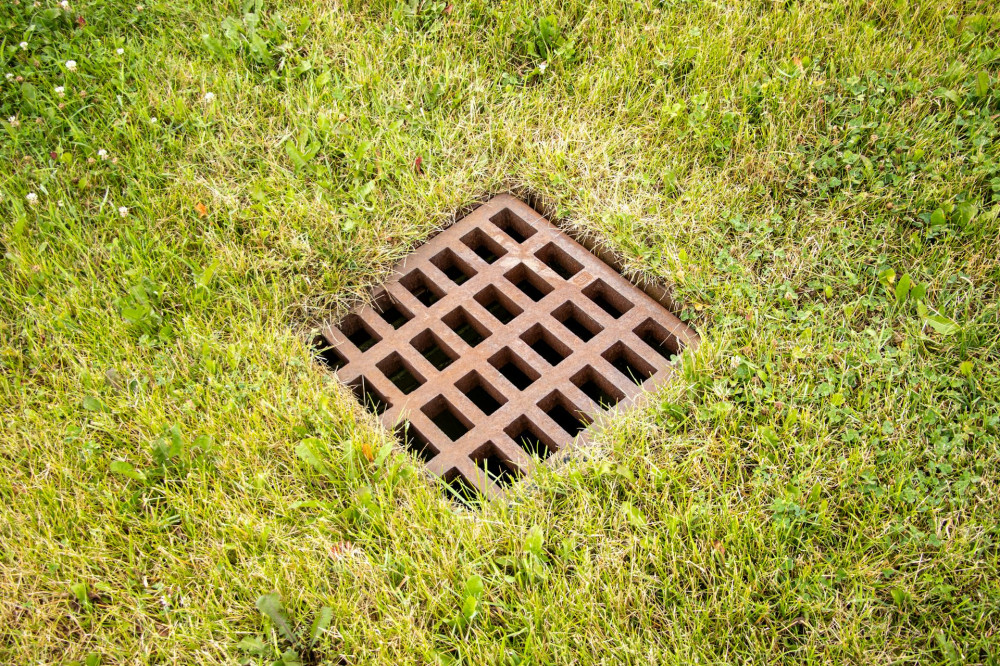
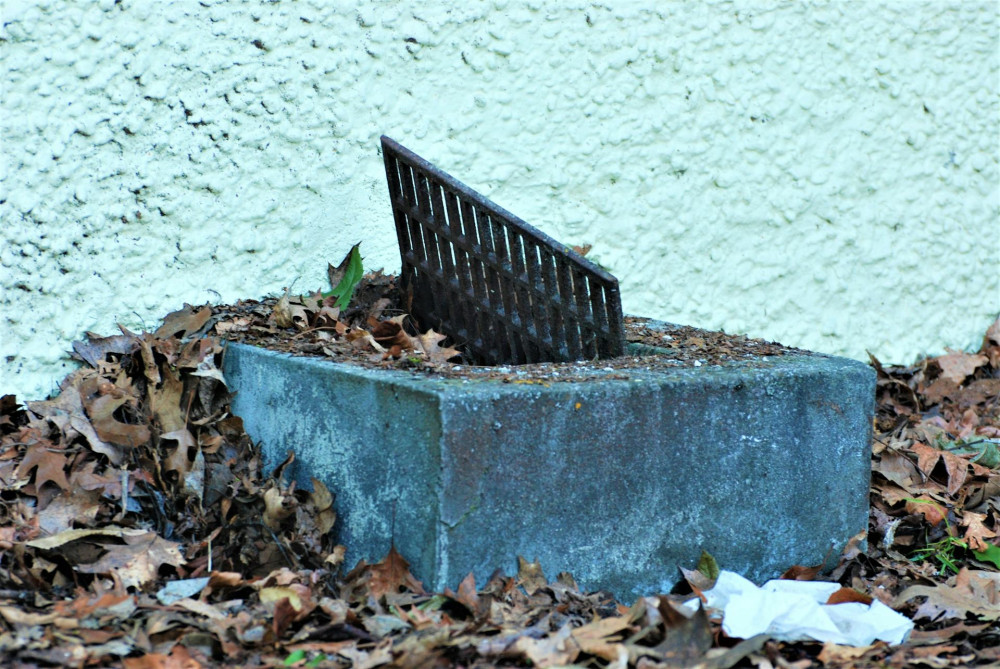
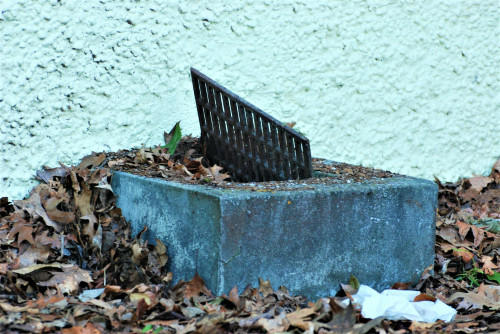
A well-functioning drainage system is essential for moving water away effectively. Many older homes have drains that have become blocked or damaged over time.
Watch for signs such as damp walls, standing water in inspection chambers, or slow drainage from gutters. These may indicate that your system needs attention.
A qualified drainage engineer can inspect your system and advise whether cleaning, repair, or replacement is needed.
Use Nature’s Own Solutions
Instead of sending all rainwater into the public sewer, you can let nature handle part of the job. Solutions like rain gardens, soakaways, and green roofs help slow down and absorb water locally.
- A rain garden is a shallow, planted area where water collects and gradually soaks into the ground.
- A soakaway acts as an underground reservoir that stores water from roofs or patios and releases it slowly into the soil.
- A green roof absorbs some rainfall and delays runoff, while also improving insulation and biodiversity.
These options are not only practical – they also make your outdoor space greener and more resilient.
Before You Make Changes
Before altering your drainage, terrain, or water management systems, check local regulations. In the UK, you may need permission to install soakaways or redirect surface water, especially if you live in an area with clay soil, high groundwater, or near a watercourse.
Contact your local council or a drainage specialist before starting work. They can help assess whether your soil is suitable for infiltration and advise on the best way to manage rainwater on your property.
Working With – Not Against – Water
Knowing your ground is about more than keeping your feet dry. It’s about understanding how nature works and how you can work with it rather than against it.
When you know where water naturally flows, you can design a garden and home that stand stronger against heavy rain and flooding – while contributing to a more sustainable water cycle.
Læs også: