Protect Your Property from Flooding – Prevent Damage in Time


Protect Your Property from Flooding – Prevent Damage in Time
Heavy rainfall, rising groundwater and overflowing rivers are becoming increasingly common across the UK. From flash floods in urban areas to coastal surges in low-lying regions, many homeowners have experienced the shock of water entering their homes with little warning. But flooding doesn’t have to mean devastation. With timely prevention, you can protect your property, your belongings and your peace of mind – even when the weather turns extreme.
Know Your Risk – and Your Responsibility
The first step in flood prevention is understanding your level of risk. Do you live near a river, stream or the coast? Is your home in a low-lying area or built with a basement? The Environment Agency’s Flood Map for Planning and Check Your Long Term Flood Risk services can help you identify whether your property is at risk from rivers, the sea, surface water or groundwater.
As a homeowner, you are responsible for protecting your property from flooding. Local authorities and water companies manage public drainage and flood defences, but you must ensure your home is prepared to cope with heavy rain and rising water.
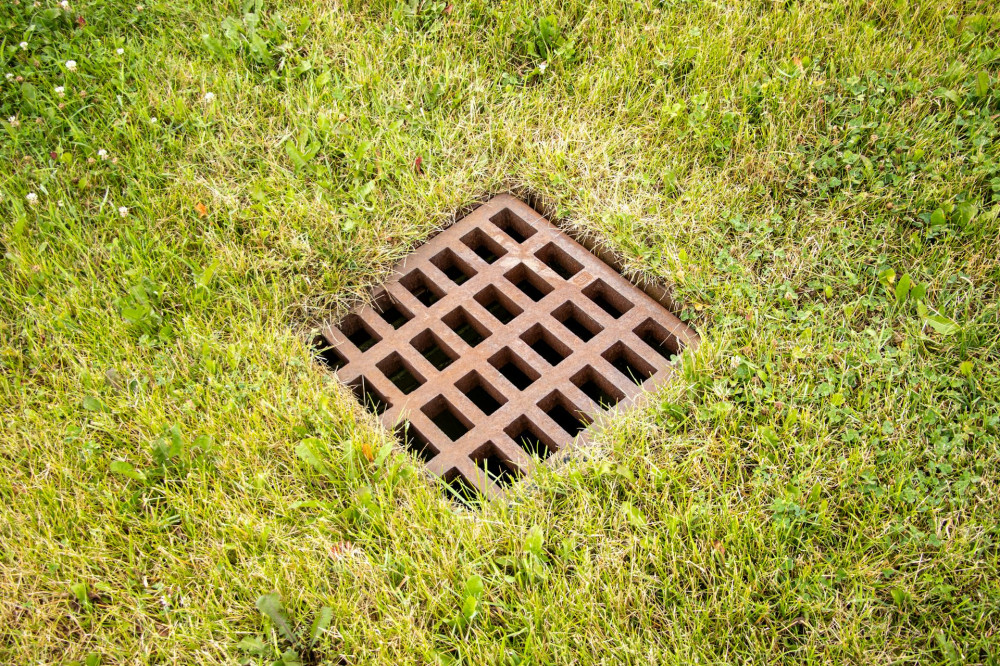
Check Your Drains – and Prevent Backflow
One of the most common causes of flooding inside homes is water backing up through drains and toilets when the public sewer system becomes overwhelmed. To reduce this risk, you can:
- Install a non-return valve – this prevents water from flowing back into your property through the drainage system.
- Fit a sump pump – particularly useful for basements or lower ground floors below street level.
- Have your drains inspected – a qualified drainage engineer can check for blockages, cracks or undersized pipes.
An annual inspection is a small investment that can prevent major damage later on.
Keep Water Away from the Building
Even if your drains are working properly, surface water can still find its way into your home if the ground slopes towards the building or gutters are blocked. To keep water at bay:
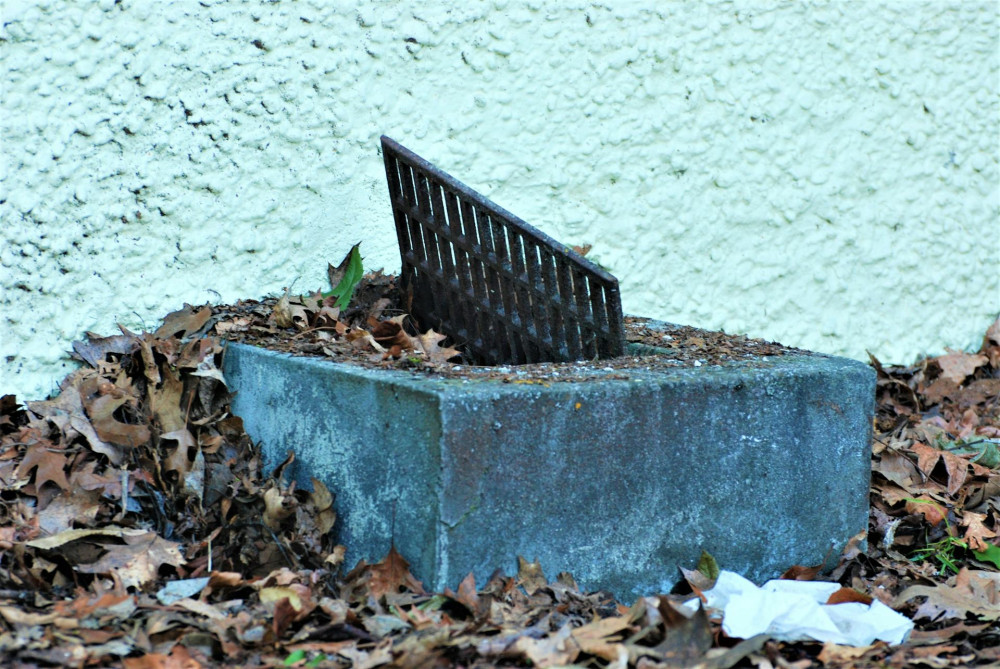
- Clean gutters and downpipes regularly – remove leaves and debris so rainwater can flow freely.
- Ensure the ground slopes away from your home – ideally, the land should fall at least 2 cm per metre away from the walls.
- Install water butts or soakaways – these help manage rainwater on your property and reduce pressure on the public drainage system.
- Protect basement windows and air vents – use covers or raised edges to stop water entering directly.
Simple maintenance can make a big difference when heavy rain arrives.
Insurance and Documentation
Even with the best precautions, flooding can still occur. Make sure you understand what your home insurance covers. Most UK home insurance policies include flood cover, but it’s worth checking the details – especially if you live in a high-risk area. The government-backed Flood Re scheme helps ensure affordable insurance for properties at risk.
Keep records of any flood protection measures you’ve taken, such as installing non-return valves or improving drainage. This documentation can be valuable when making an insurance claim.
Læs også:

Climate Change Calls for New Habits
With climate change bringing more intense rainfall and rising sea levels, flood prevention is becoming part of everyday home maintenance. Sustainable drainage solutions – such as green roofs, permeable driveways and rain gardens – not only reduce flood risk but also support biodiversity and improve local air quality.
By combining practical defences with environmentally friendly solutions, you can make your home more resilient and contribute to a more sustainable community.
Act Early – and Rest Easy When It Rains
Protecting your home from flooding isn’t just about technology; it’s about peace of mind. When you know your drains are clear, your ground slopes correctly and your basement is secure, you can relax – even when the forecast warns of heavy rain.
Prevention takes effort, but it pays off. Every pound you invest in flood protection can save you many more in repairs, lost possessions and stress. Act now, and you’ll be ready when the next storm arrives.
Læs også: