New Installations and an Old Drainage System – How to Make Them Work Together

New Installations and an Old Drainage System – How to Make Them Work Together
When you modernise your home with a new bathroom, kitchen, or utility room, it’s easy to forget that the property’s drainage system may be decades older than your shiny new fittings. An old drainage system can still serve you well for many years – but it requires care and planning when connecting new installations. Here’s a guide to making old and new work together without unpleasant surprises.
Know Your Drainage System
Before starting any new installation, it’s essential to understand how your existing drainage system is built. In many older British homes – particularly those built before the 1970s – pipes are often made of clay or cast iron. Over time, these can become cracked, corroded, or partially blocked by sediment and scale.
Begin by arranging a CCTV drain survey. This inspection provides a clear picture of the condition, gradient, and any damage in your pipes. A qualified drainage engineer can then advise whether your system can handle the new installations or if repairs or replacements are needed first.
New Installations Need Proper Sizing
Modern appliances such as power showers, dishwashers, and washing machines discharge water faster and in greater volumes than older ones. If your existing pipes are too narrow or poorly aligned, you may experience slow drainage, gurgling sounds, or even backflow.
- Check pipe diameters – especially where new waste pipes connect to the existing system. A professional can calculate whether the current pipework can cope with the increased flow.
- Ensure correct fall – wastewater must flow freely towards the main sewer. Too little gradient can cause blockages, while too steep a fall can leave solids behind.
- Avoid sharp bends – older systems often have awkward angles that trap debris. Consider rerouting or replacing problematic sections when adding new connections.
Think About Ventilation and Traps
Older drainage systems may lack adequate ventilation, which can lead to unpleasant odours when new fixtures are installed. Make sure your system includes vent pipes that allow air to move freely and equalise pressure, usually venting above the roofline.
Every waste outlet should also have a trap (water seal) to prevent sewer gases from entering your home. If you notice smells, it may be because a trap has dried out – a common issue in rarely used drains. Pouring a little water down the drain occasionally or using a sealing cap can solve the problem.
Læs også:
Keep Rainwater and Wastewater Separate
In many older UK properties, rainwater and foul water were once combined in a single system. Today, building regulations recommend separating them to reduce the risk of overloading the public sewer during heavy rain.
When adding new installations – such as a basement bathroom or a rainwater harvesting system – ensure that rainwater is directed to a separate soakaway or surface water drain, not into the foul system. This helps prevent flooding and reduces the chance of sewage backing up into your home.
Protect Against Backflow
One of the biggest risks with older drainage systems is backflow – when wastewater is forced back into the property during intense rainfall or sewer surges. If you’re installing new fixtures below street level, such as in a basement, this is especially important.
The solution is a non-return valve or pumped system, which ensures water only flows one way – out of your home. It’s a worthwhile investment that can save you from costly damage later.
Maintenance Is Key
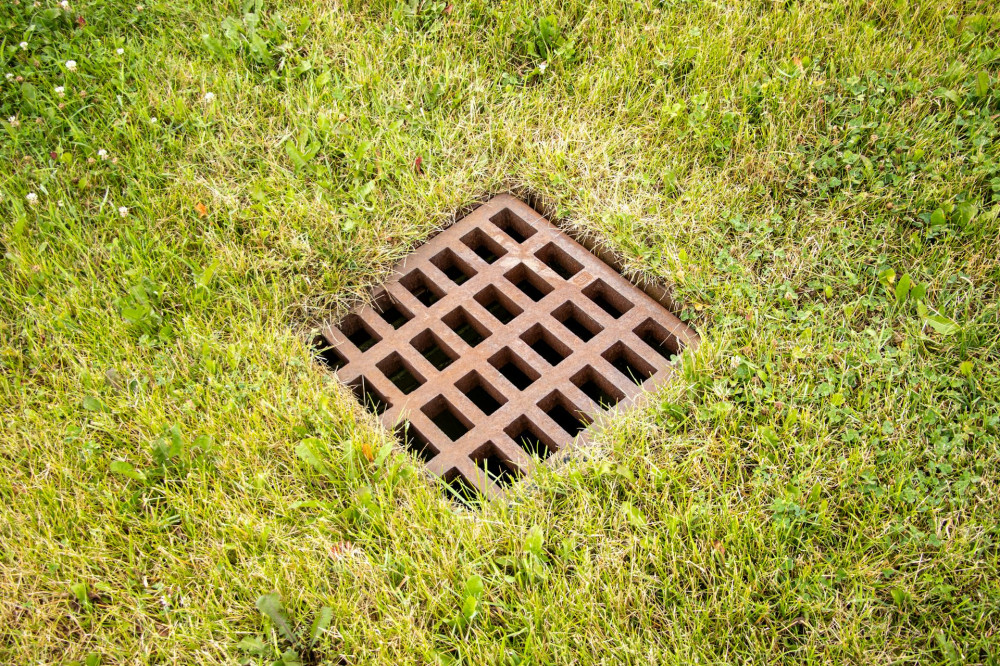
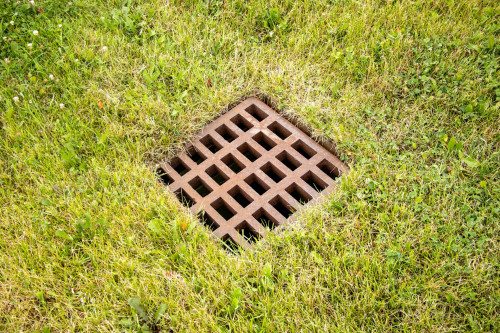
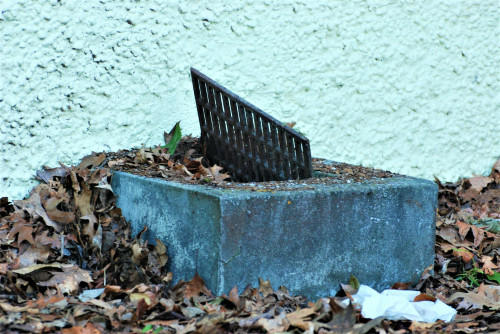
Even the best-designed system needs regular maintenance. Keep gullies and inspection chambers clear, and watch for warning signs such as slow drainage, bubbling sounds, or damp patches near drains.
An annual inspection by a drainage professional is a sensible precaution, particularly if you’ve combined new installations with an older system. Preventive maintenance is always cheaper – and less stressful – than emergency repairs.
When Old Meets New
Getting new installations to work smoothly with an old drainage system is all about balance. You don’t necessarily need to replace everything, but you do need to understand the system’s limitations and plan accordingly.
With a thorough inspection, proper sizing, and ongoing maintenance, you can enjoy a reliable, efficient drainage system that meets modern standards while respecting the character and age of your home.
Læs også: