Noise from Radiators and Pipes – How to Prevent the Problem

Noise from Radiators and Pipes – How to Prevent the Problem
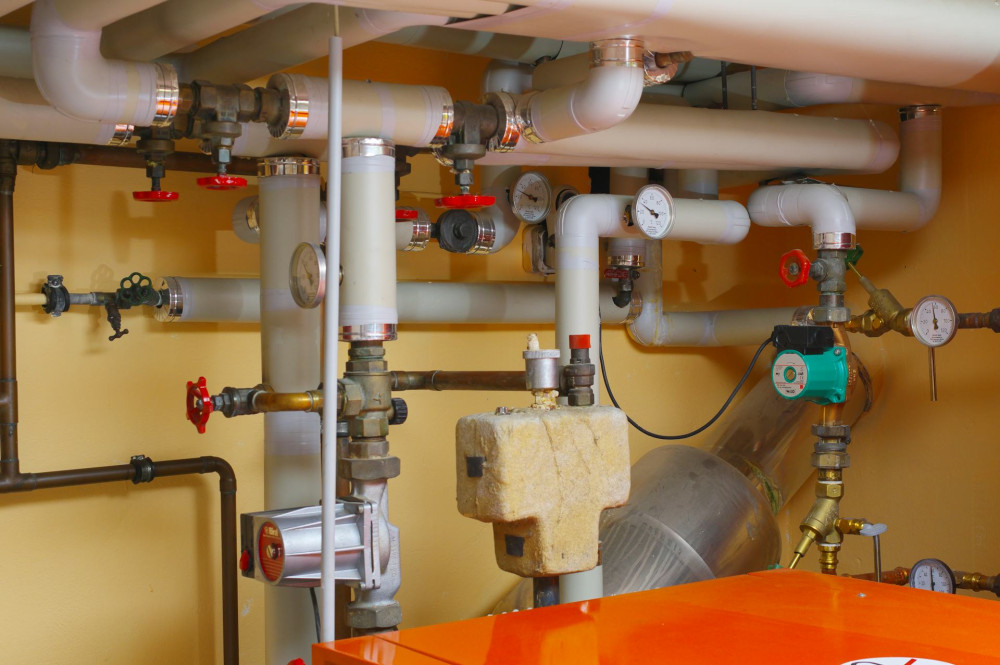
When your radiators start gurgling, banging or hissing, it can quickly become an annoyance in your home. Noise from the heating system is not only irritating – it can also indicate that something isn’t working as it should. Fortunately, there’s often a lot you can do yourself to prevent and fix the problem. Here’s a guide to what causes the noise and how to restore peace to your pipes and radiators.
Why Do Radiators and Pipes Make Noise?
There are several possible reasons why your heating system might be noisy. The most common include:
- Air in the system – small air bubbles trapped in the pipes can cause gurgling or trickling sounds as the water circulates.
- High pressure or excessive flow – if the pump is running too fast, it can create a rushing or hissing sound in the pipes.
- Expansion of metal – as the pipes heat up, they expand and may rub against walls or brackets, producing creaking or knocking noises.
- Imbalanced system – if the heating system isn’t properly balanced, some radiators may receive too much hot water while others get too little, leading to uneven heating and noise.
Finding the exact cause can take a bit of patience, but you can often rule out the most likely issues yourself.
Læs også:
Start by Bleeding the Radiators
The most common cause of radiator noise is trapped air – and luckily, it’s also the easiest to fix.
- Turn off the heating and allow the system to cool slightly.
- Locate the bleed valve on the radiator – it’s usually at the top on one side.
- Use a radiator key or a small screwdriver to slowly open the valve.
- When water starts to flow steadily without sputtering, close the valve again.
Repeat this process for all radiators in your home, starting with the one closest to the boiler. Afterwards, check the pressure gauge on your boiler – it should usually read between 1 and 2 bar. If it’s dropped, top up the system using the filling loop according to your boiler’s instructions.
Adjust the Pump and Thermostatic Valves
If the noise persists after bleeding, the water may be circulating too quickly. Most modern central heating pumps have adjustable speed settings. Try lowering the speed by one level – this often eliminates the hissing sound without affecting the warmth in your home.
It’s also worth checking that all thermostatic radiator valves (TRVs) are set to similar levels. If some radiators are fully closed while others are wide open, it can create pressure imbalances and cause noise.
Check the Pipes and Brackets
Banging or creaking sounds can occur when pipes expand as they heat up and rub against walls, floors or fittings. If the pipes are tightly fixed, they have no room to move.
You can try to:
- Loosen the pipe clips slightly to allow for expansion.
- Insert small pieces of rubber or felt between the pipe and the bracket to cushion movement.
- Avoid securing pipes too tightly near corners or where they pass through walls or floors.
If you live in a flat or a property with shared heating, the noise might come from communal pipework that you can’t access yourself. In that case, contact your building manager or landlord.
Have the System Professionally Balanced
A heating system that isn’t properly balanced can be both noisy and inefficient. A qualified heating engineer can measure the flow through each radiator and adjust the valves so that hot water is distributed evenly throughout the system. This not only reduces noise but can also lower your energy bills.
Balancing is especially important if you’ve recently replaced your boiler, added new radiators, or made changes to the pipework.
Preventing Noise in the Future
Once your system is running smoothly, a few simple habits can help keep it that way:
- Bleed your radiators once a year, ideally before the heating season starts.
- Keep an eye on the boiler pressure and top up if needed.
- Make sure all radiators receive some heat, even in rarely used rooms.
- Have your boiler and heating system serviced regularly by a Gas Safe registered engineer.
A quiet heating system isn’t just pleasant – it’s also a sign that your home is being heated efficiently and safely.
When to Call a Professional
If you’ve tried bleeding, adjusting and checking the pipes without success, there may be a more complex issue that requires expert attention. You should contact a heating engineer if:
- The noise seems to come from the boiler itself.
- The system pressure keeps dropping.
- You notice leaks or discolouration around pipes or valves.
A professional can quickly identify the cause and ensure your heating system runs safely, efficiently and quietly.
Læs også: