Warm and Cosy: How to Keep Your Toilet Comfortable in Cold Rooms


Warm and Cosy: How to Keep Your Toilet Comfortable in Cold Rooms
A chilly toilet can be an unpleasant surprise on a winter morning. In many British homes—especially older ones—bathrooms and cloakrooms are often tucked away in extensions, loft conversions, or unheated corners where the central heating doesn’t quite reach. Fortunately, there are plenty of simple and effective ways to make your toilet space warm and inviting all year round. Here’s how to keep things comfortable, even when the temperature drops.
Check the Insulation First
Before investing in new heating equipment, it’s worth checking whether the cold is caused by poor insulation. Toilets located against exterior walls or above unheated spaces can lose a lot of warmth through walls, floors, and ceilings.
- Inspect windows and doors – draughts are a common culprit. Replace worn seals or add draught excluders to keep the cold air out.
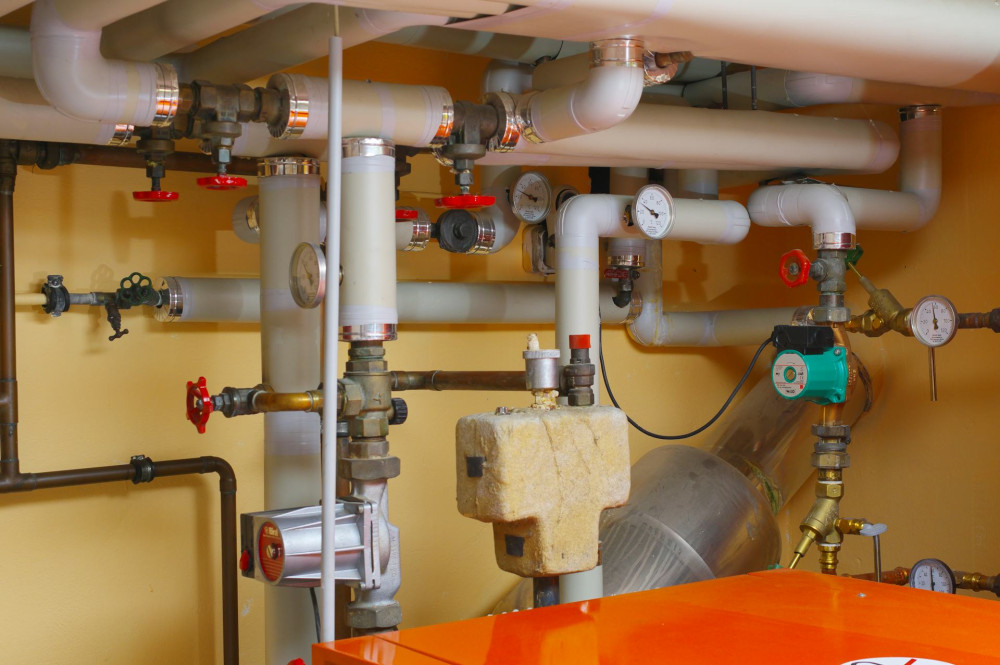
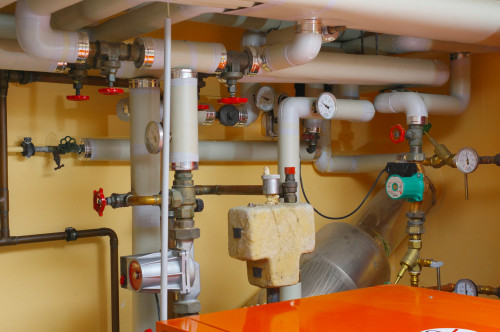
- Insulate pipes and walls – this not only keeps the room warmer but also protects pipes from freezing.
- Consider floor insulation – if your toilet sits above a garage or cellar, adding insulation beneath the floorboards can make a noticeable difference.
Improving insulation helps retain heat for longer, reducing both discomfort and energy bills.
Choose the Right Heating Option
Once insulation is sorted, it’s time to find a heating solution that suits the size and use of the room.
- Electric radiator or convector heater – a quick and flexible option that can be switched on when needed. Look for models with thermostats and timers to avoid wasting electricity.
- Underfloor heating – provides gentle, even warmth and is ideal for small spaces. Electric underfloor systems are relatively easy to install during a renovation.
- Infrared or heat lamp – perfect for quick bursts of warmth if the toilet is used only occasionally.
- Heated towel rail – a practical choice that warms both the room and your towels, adding a touch of comfort and style.
The key is to match the heating method to how often the room is used. A guest cloakroom doesn’t need the same level of heating as a main bathroom.
Læs også:


Small Touches That Make a Big Difference
Even minor changes can make your toilet feel much cosier during the colder months.
- Heated toilet seat – available in both electric and insulated versions, this small luxury can transform your winter mornings.
- Soft mats and textiles – a plush rug or bath mat adds warmth underfoot and makes the space more inviting.
- Lighting and colour – warm-toned bulbs and soft colours can make a cold room feel instantly more comfortable.
- Seal the door properly – a simple draught excluder or door brush can stop cold air sneaking in from the hallway.
These little details require minimal effort but can have a big impact on comfort.
Keep Moisture Under Control
When you heat a small room, condensation can quickly become an issue. Damp air and condensation on windows can lead to mould if not managed properly.
- Open a window or use an extractor fan for a few minutes after use.
- Fit a fan with a humidity sensor if the room lacks natural ventilation.
- Make sure heaters and vents aren’t blocked, so warm air can circulate freely.
A dry, well-ventilated toilet not only feels warmer but also stays fresher and easier to maintain.
Comfort and Energy in Balance
It’s tempting to turn the heat up high, but that’s rarely necessary. A steady temperature of around 19–20°C is usually enough for a toilet or cloakroom. Use thermostats or timers to ensure the heating only runs when needed.
By combining good insulation, efficient heating, and a few thoughtful touches, you can create a toilet that feels warm, welcoming, and energy-efficient—no matter how cold it gets outside.
Læs også: