Plan your bathroom renovation step by step

Plan your bathroom renovation step by step
A bathroom renovation is one of the most rewarding home improvements you can make. It can add comfort, style, and value to your property – but it’s also a complex project that requires careful planning, a realistic budget, and attention to detail. Whether you’re dreaming of a luxurious spa-style retreat or simply want to refresh a tired space, a step-by-step approach will help you avoid costly mistakes and achieve a professional result. Here’s how to plan your bathroom renovation from start to finish.
1. Define your needs and goals
Before you start, think about what you want to achieve. Are you updating fixtures and finishes, or completely redesigning the layout? Make a list of your priorities and preferences:
- How many people will use the bathroom daily?
- Do you need a bath, a shower, or both?
- Would you like underfloor heating, double sinks, or extra storage?
- What style are you aiming for – modern, traditional, or minimalist?
Gather inspiration from home magazines, design websites, and social media. This will help you visualise your ideal bathroom and communicate your ideas clearly to tradespeople or designers.
2. Set a realistic budget
Bathroom renovations in the UK can range from around £5,000 for a simple update to £20,000 or more for a high-end transformation. Your budget should cover materials, labour, and a contingency for unexpected costs – there’s almost always something unforeseen once work begins.
Be sure to include:
- Removal and disposal of old fittings and tiles
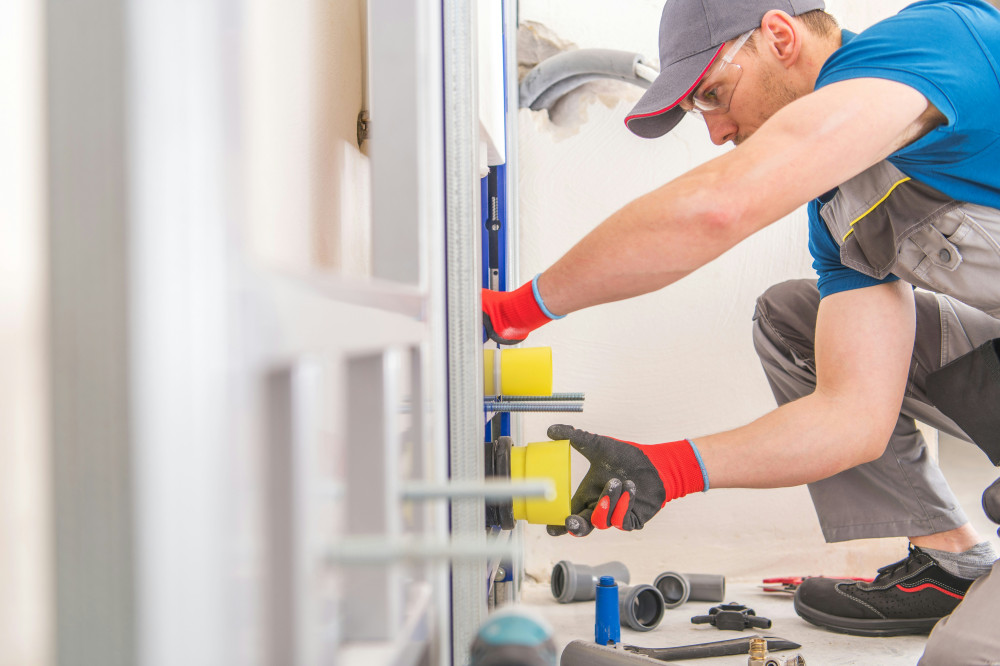
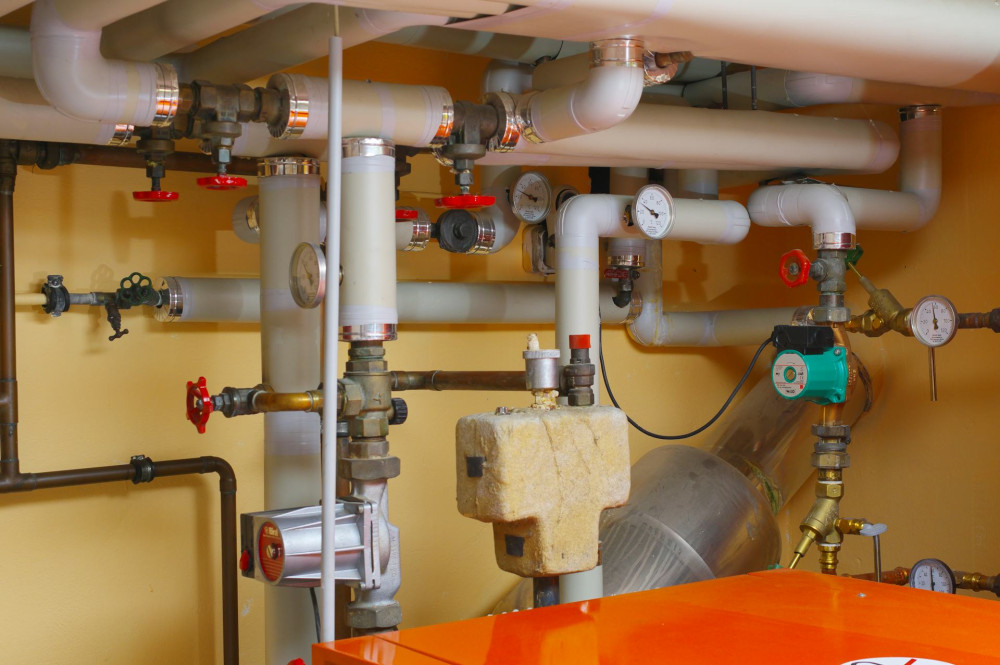
- Plumbing and electrical work (which must be done by qualified professionals)
- Tiles, sanitaryware, and fittings
- Painting, sealing, and finishing touches
- Lighting and accessories
It’s wise to set aside an extra 10–15% as a buffer for surprises along the way.
3. Create a layout and timeline
Once your budget is set, plan the layout and schedule. Start with a scaled drawing of your bathroom, marking the position of the toilet, shower, bath, and basin. Moving plumbing can be expensive, so consider keeping key fixtures in their current locations if possible.
Next, outline a realistic timeline. A typical renovation takes between three and six weeks, depending on the scope of work. Coordinate tradespeople in advance – plumbers, electricians, tilers, and decorators often need to work in sequence.
4. Choose materials wisely
Your choice of materials will affect both the look and longevity of your bathroom. Consider the following:
- Tiles: Choose slip-resistant floor tiles and moisture-resistant wall tiles. Large-format tiles create a sleek look, while mosaics can add character.
- Sanitaryware: Invest in quality toilets, taps, and showers – they’ll last longer and perform better.
- Lighting: Combine bright task lighting around the mirror with softer ambient lighting for relaxation.
- Storage: Built-in cabinets and shelving help keep the space tidy and clutter-free.
Also think about maintenance – smooth surfaces and minimal grout lines make cleaning much easier.
Læs også:

5. Follow UK regulations and safety standards
Bathrooms are classed as “special locations” under UK building regulations, meaning electrical and plumbing work must meet strict safety standards. All electrical work should comply with Part P of the Building Regulations and be carried out by a qualified electrician. Similarly, plumbing should be done by a certified professional to ensure proper waterproofing and drainage.
If you’re making structural changes or installing new ventilation, you may need Building Control approval. Always check with your local authority before starting work.
6. Carry out the renovation step by step
When the work begins, it usually follows this order:
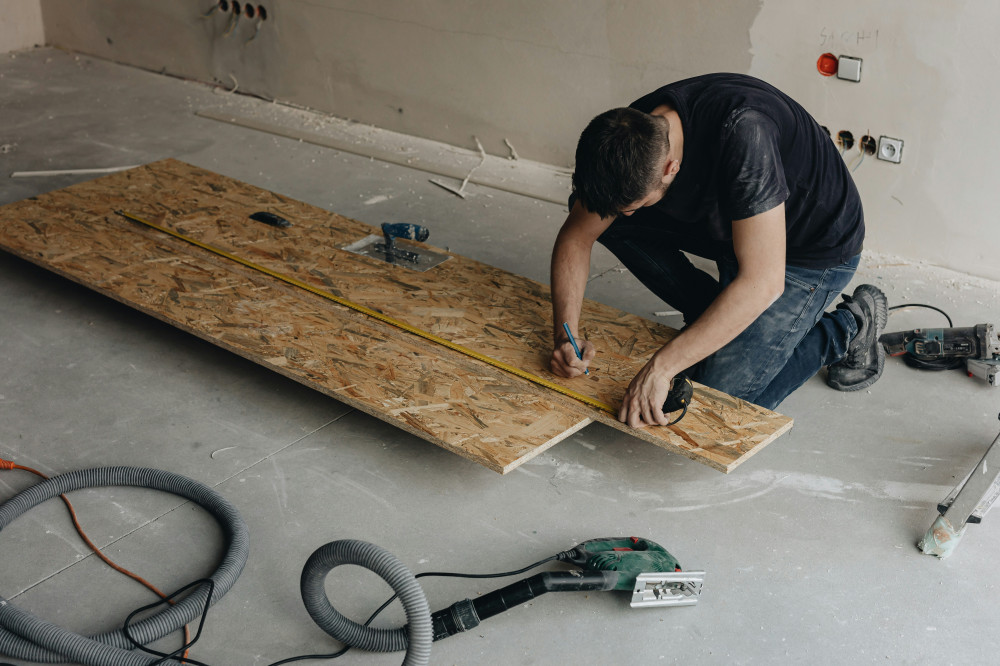
- Strip out and disposal of old fixtures, tiles, and flooring.
- First fix – plumbing and electrical installations.
- Wall and floor preparation – waterproofing and levelling.
- Tiling and grouting.
- Second fix – fitting the bath, shower, toilet, and basin.
- Finishing touches – painting, lighting, mirrors, and accessories.
Stay in regular contact with your tradespeople and inspect the work at each stage before making final payments.
7. Add your personal touch
Once the technical work is complete, it’s time to make the space your own. Small details can transform the atmosphere – plants, mirrors, towels, and decorative lighting all add warmth and personality.
Think practically too: hooks, shelves, and baskets can make daily routines easier. A well-designed bathroom should be both beautiful and functional.
8. Maintain your new bathroom
To keep your bathroom looking its best, regular maintenance is key. Wipe down tiles and glass after showers to prevent limescale, and use gentle cleaning products that won’t damage surfaces. Check seals and grout lines periodically for cracks or wear – early repairs can prevent costly water damage later.
A bathroom built to last
A successful bathroom renovation is about more than just style – it’s about creating a space that works for you every day. By planning carefully, choosing quality materials, and working with skilled professionals, you can achieve a bathroom that’s elegant, practical, and built to last for years to come.
Læs også: