Thermal Conductivity and Energy Optimisation: Why Material Choice Is Crucial

Thermal Conductivity and Energy Optimisation: Why Material Choice Is Crucial
When we talk about energy use in buildings, it’s not just about insulation thickness or modern heating systems. The thermal conductivity of materials – how well they conduct or retain heat – plays a decisive role in how energy-efficient a building is. The choice of materials affects comfort, running costs, and environmental impact. Understanding how heat moves through walls, floors, and roofs is key to designing buildings that use energy wisely.
What Is Thermal Conductivity?
Thermal conductivity, often represented by the symbol λ (lambda), describes a material’s ability to conduct heat. The lower the lambda value, the better the material insulates. Metals, for example, have high thermal conductivity and transfer heat quickly, while materials such as mineral wool or wood fibre have low thermal conductivity and help retain warmth.
In practice, this means that two walls of the same thickness can perform very differently depending on the materials used. It’s not just about how thick the wall is – the material’s properties are equally important.
Why Material Choice Matters
Choosing the right materials influences not only a building’s energy performance but also its indoor comfort and environmental footprint. A poor choice can lead to heat loss, cold bridges, and higher energy bills, while a well-considered one can reduce energy use and improve comfort.
- Insulating materials such as mineral wool, cellulose, and wood fibre have low thermal conductivity and are ideal for keeping heat in during winter and out during summer.
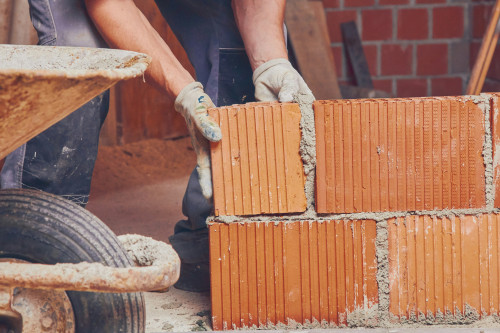
- Dense materials like concrete and brick have higher thermal conductivity but can store heat, helping to stabilise indoor temperatures.
- Combinations of materials can make use of both qualities – for example, a heavy outer wall with an insulating layer on the outside.
The goal is to find the right balance between insulation, heat storage, and sustainability.
Læs også:


Energy Optimisation in Practice
When optimising a building’s energy performance, it’s important to view the structure as a complete system. Even small details can have a big impact on overall heat loss.
- Avoid thermal bridges: Ensure insulation is continuous around windows, doors, and joints.
- Choose materials with low lambda values: They provide better insulation per centimetre and can save space.
- Consider moisture and ventilation: A good insulating material must also manage moisture to prevent mould and poor air quality.
- Think about life cycle and carbon footprint: Some materials require a lot of energy to produce, while others – such as timber-based products – store carbon and can be reused or recycled.
By combining technical knowledge with environmental awareness, you can create buildings that are both energy-efficient and comfortable to live in.
New Materials and Technologies
The development of building materials is advancing rapidly. Innovative insulation types such as vacuum panels, aerogels, and bio-based products offer new ways to reduce thermal conductivity without increasing wall thickness. At the same time, digital tools like energy modelling and 3D simulation are becoming more common, allowing designers to calculate how different materials affect energy use even before construction begins.
This means that future buildings can be designed with greater precision – achieving lower energy demand and less waste.
A Choice with Long-Term Impact
Material selection is not just a matter of cost or appearance. It’s an investment in the building’s long-term performance, comfort, and sustainability. A material with low thermal conductivity may cost more initially, but it often pays for itself through lower energy bills and improved living conditions.
Whether you’re planning a new build or a renovation, it’s worth asking: How does this material conduct heat – and how does it affect the whole system? The answer could be the difference between a building that wastes energy and one that uses it to its full potential.
Læs også: