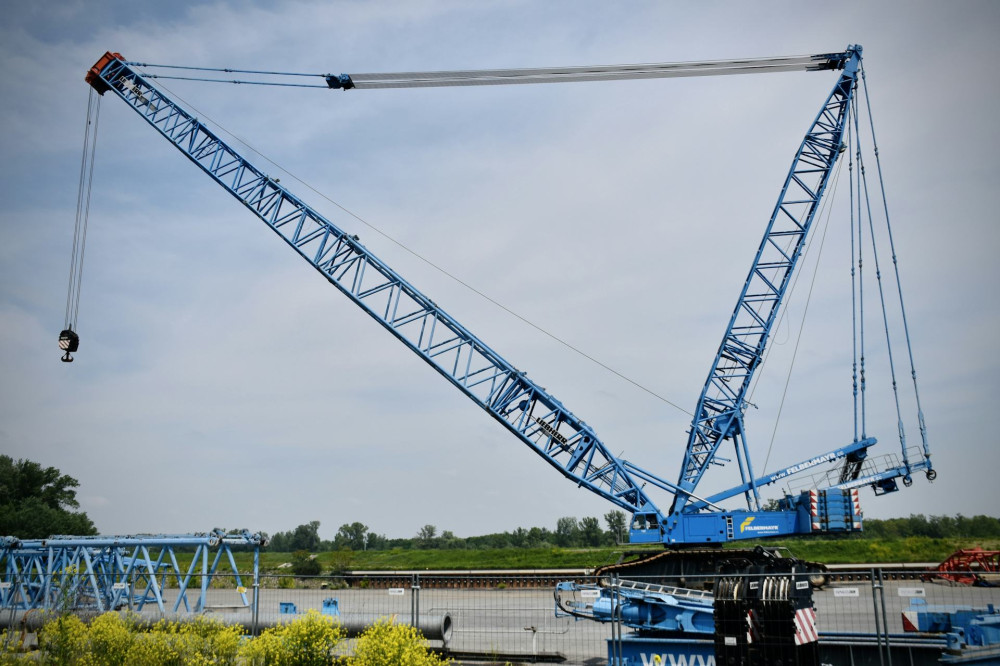
Avoid Bottlenecks – Plan Crane Lifts in Step with the Rest of the Construction Work

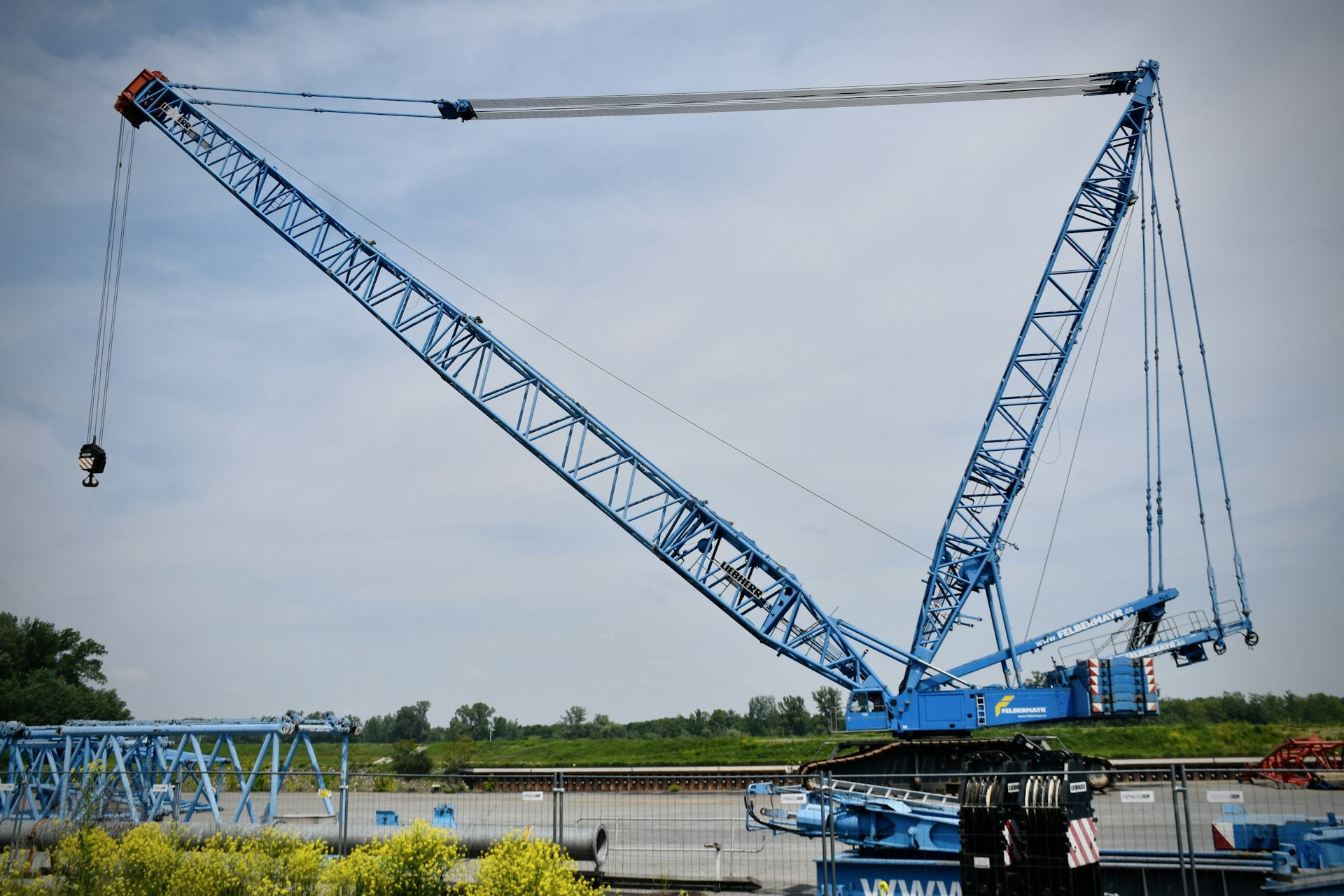
Avoid Bottlenecks – Plan Crane Lifts in Step with the Rest of the Construction Work
A construction project is like a complex puzzle where every piece must fit together in the right order. One of the most critical – and often underestimated – pieces is the planning of crane operations. When lifting work is not coordinated with the rest of the site activities, it can lead to delays, downtime, and unnecessary costs. With careful planning, however, you can ensure that the crane is used efficiently and that the site runs smoothly without bottlenecks.
Crane Lifts Demand Precision – in Both Time and Space
A crane lift is rarely an isolated task. It affects everything from deliveries and access routes to safety and staffing. That’s why the lifting plan should be an integral part of the overall construction programme – not a separate issue to be dealt with only when the need arises.
Already during the design and planning stages, you should consider:
- Crane location – where can it be positioned without blocking other activities?
- Reach and capacity – does the crane’s specification match the elements to be lifted?
- Timing – when will the crane be needed, and how can you avoid clashes with other trades?
- Safety zones – how will the area be secured so that no one is at risk during lifting operations?
The earlier these questions are addressed, the easier it becomes to avoid conflicts and delays later in the project.
Coordination Between Contractors and Suppliers
An efficient crane operation depends on all parties working from the same plan – the main contractor, subcontractors, suppliers, and the crane operator. A shared understanding of the schedule and practical constraints is essential.
Prepare a detailed lifting plan that specifies:
- Which elements are to be lifted, and in what sequence.
- Who is responsible for preparation, signalling, and safety.
- When materials should arrive on site so they are ready for lifting without waiting time.
By gathering all this information in one place, you reduce the risk of misunderstandings and ensure that the crane is used to its full potential.
Avoid Downtime – Plan for Real-World Conditions
One of the biggest sources of wasted time on construction sites is waiting for the crane. This often happens when the schedule doesn’t account for real-world factors such as delayed deliveries, weather conditions, or changes in the order of work.
To prevent this, you should:
- Include buffer time in the schedule so that minor delays don’t disrupt the entire day.
- Coordinate lifts with deliveries, ensuring materials arrive shortly before they are needed.
- Update the plan regularly so that any changes in the construction process are reflected in the lifting plan.
A flexible approach allows you to respond quickly when circumstances change – without leaving the crane idle.
Safety and Communication Go Hand in Hand
Crane operations are among the most high-risk activities on a construction site. Clear communication and well-defined procedures are therefore essential. Everyone working near the crane must know the safety zones and who is in charge during lifting.
Hold daily coordination meetings to review the day’s lifts and communicate any changes. This builds confidence and reduces the risk of mistakes. Remember, safety should never be compromised to save time – a well-planned lift is both faster and safer than an improvised one.
Læs også:


Use Technology to Optimise Planning
Digital tools now make it easier than ever to plan and visualise crane operations. With 3D models and BIM systems, you can simulate lifts, calculate reach, and identify potential conflicts before work begins.
By integrating the lifting plan into the digital construction model, you gain a clearer overview and can make quick adjustments when needed. This saves both time and money – and reduces the risk of errors.
An Investment in Efficiency
Planning crane lifts in step with the rest of the construction work takes time and coordination, but it pays off. A well-coordinated lifting plan means fewer stoppages, less waiting time, and a safer site. It’s an investment in efficiency that benefits both the schedule and the bottom line.
When the crane works in harmony with the rest of the site, it stops being a bottleneck – and becomes a key driver in keeping the project on track.
Læs også: