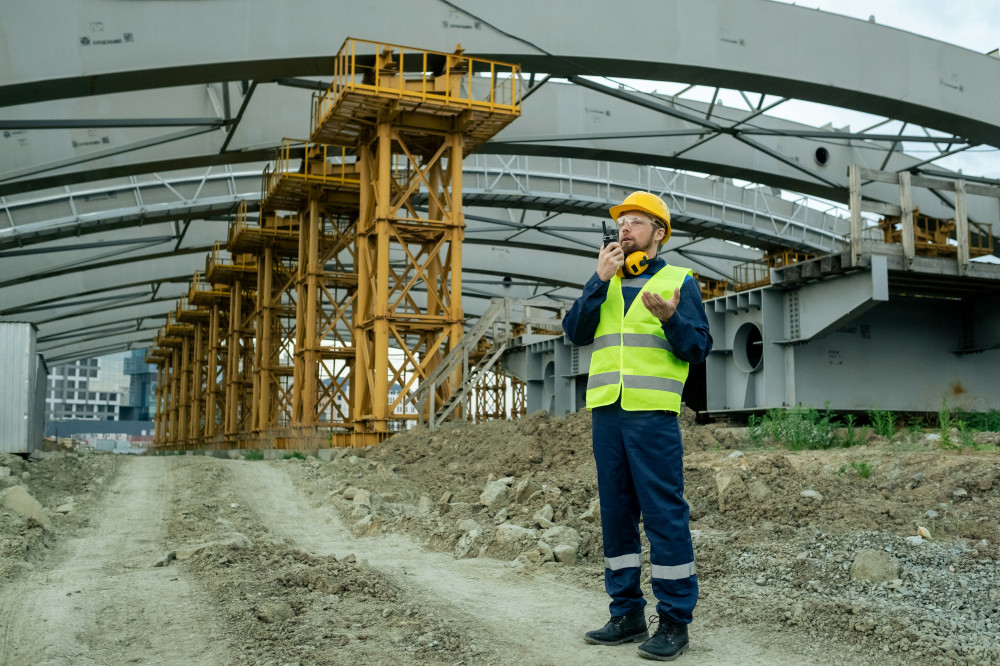
Clear communication on construction sites reduces the risk of machinery accidents

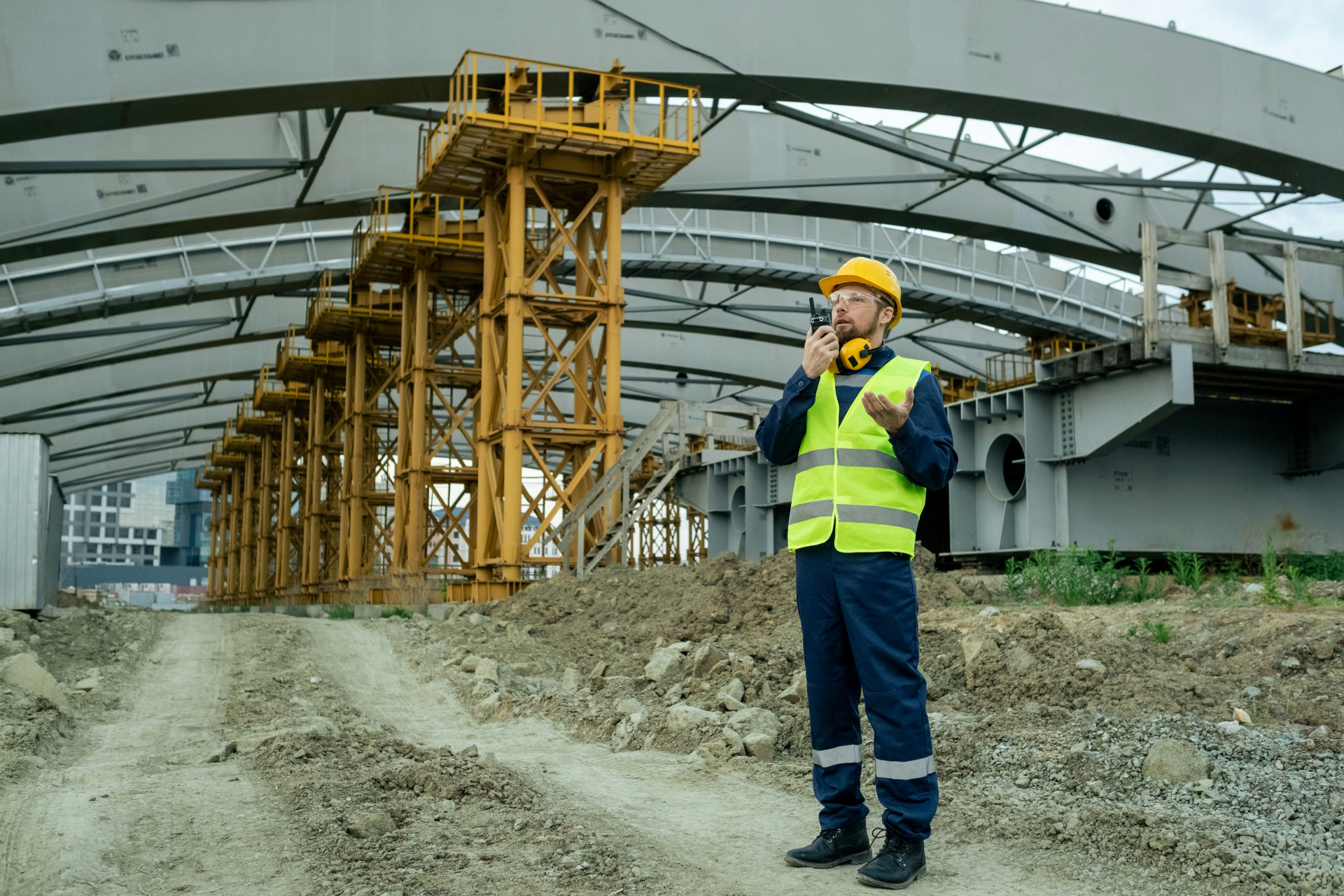
Clear communication on construction sites reduces the risk of machinery accidents
Construction sites are complex environments where multiple trades work side by side, often under tight deadlines and with heavy machinery in motion. In such settings, a single misunderstanding can have serious consequences. Clear communication is therefore one of the most important factors in preventing accidents. Experience from UK and international projects shows that effective communication between machine operators, site workers and management significantly reduces the risk of machinery-related incidents.
Why communication matters
When an excavator, crane or forklift is operating on a busy site, safety depends on everyone around the machine knowing what is happening. A single misjudgement – a worker stepping into the machine’s path or an operator unaware of someone nearby – can lead to severe injuries.
Clear communication is not just about speaking loudly or using radios. It’s about creating a shared understanding: who is doing what, when and where. When everyone on site knows the plan and the signals, the risk of confusion drops dramatically.
Shared language and consistent routines
One of the most effective ways to strengthen communication is to establish a shared language and consistent routines. These can be simple but standardised signals – both verbal and visual – that everyone recognises and uses.
- Daily safety briefings: A short meeting each morning to review the day’s tasks, machinery movements and risk areas helps ensure everyone is on the same page.
- Clear hand signals: When noise or distance makes verbal communication difficult, standard hand signals are essential for safe coordination.
- Visible work zone markings: Barriers, signage and colour-coded areas make it clear where machines are operating and where it’s safe to walk.
When everyone follows the same routines, communication becomes more efficient – even under pressure.
Technology as a support tool
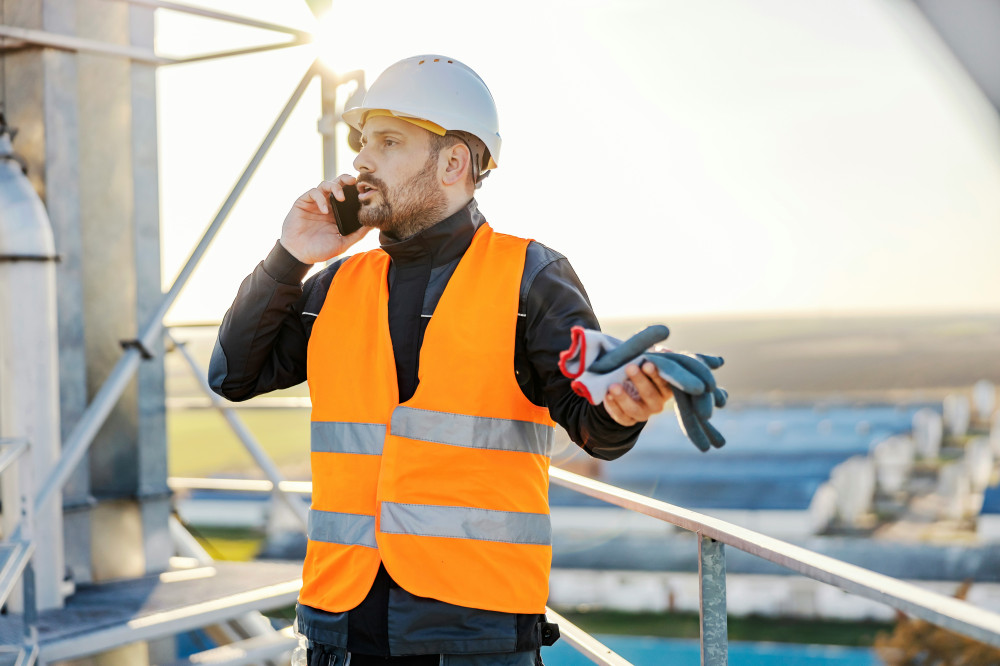
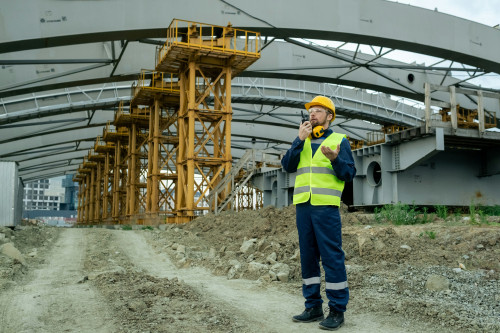
Modern technology can greatly enhance communication on construction sites. Digital platforms that allow real-time planning and sharing of tasks and machinery movements make coordination easier. Noise-cancelling radios, headsets and GPS-based warning systems can also help operators maintain better awareness of their surroundings.
However, technology should complement, not replace, human communication. It works best when combined with clear agreements and a culture where people feel confident to speak up.
Building a culture of shared responsibility
Communication is also about attitude. On sites with low accident rates, there is often a culture where everyone feels responsible for each other’s safety. This means speaking up when something looks unsafe and taking the time to ensure messages are understood.
Leadership plays a key role in shaping this culture. When site managers and supervisors lead by example and show that safety and communication are priorities, it sets the tone for the whole team. It’s not about blame – it’s about creating an environment where open discussion of risks is normal.
Læs også:

Training and continuous learning
Even experienced workers benefit from regular training in communication and safety. Courses in machine operation, signalling and teamwork can provide new insights and strengthen collaboration on site. Many UK construction firms have found success in combining technical training with exercises in communication and conflict management.
When workers understand how their actions affect others’ safety, they become more aware and responsible in their daily routines.
Clear communication – an investment in safety
Building a culture of clear communication takes time and commitment, but the rewards are substantial. Fewer accidents mean workers go home safely, and companies avoid costly downtime, compensation claims and reputational damage.
Clear communication is therefore not only a matter of safety but also of efficiency and quality. When everyone knows what’s happening and feels confident to speak up when something is unclear, the construction site becomes both safer and more productive.
Læs også: