Stay Up to Date: The Latest Techniques and Machine Types in Compression

Stay Up to Date: The Latest Techniques and Machine Types in Compression
Compaction is one of the most crucial processes in modern construction and civil engineering. Whether it’s road building, foundations, or large-scale infrastructure projects, proper compaction is key to achieving a stable and durable result. In recent years, rapid developments in both machinery and digital technology have transformed the field – giving contractors in the UK more opportunities than ever to optimise their work. Here’s an overview of the latest techniques and machine types shaping the industry.
Intelligent Compaction – When the Machine Thinks Along
One of the most significant trends is intelligent compaction, where machines are equipped with sensors, GPS, and software that continuously measure and record the degree of compaction. The system provides the operator with real-time data showing where the ground is sufficiently compacted and where more work is needed.
This leads to fewer passes, lower fuel consumption, and more consistent quality. The data can also be stored and used as documentation for clients – an increasingly important advantage as quality assurance requirements become stricter.
Many manufacturers now offer systems that collect data from multiple machines on a single platform, allowing site managers to monitor progress remotely and adjust operations as needed.
Hybrid and Electric Machines
Sustainability and energy efficiency have also reached the compaction sector. While diesel engines have long dominated, there is now a growing presence of hybrid and fully electric compaction machines.
Electric models are particularly well suited for urban areas, where noise and emissions must be minimised. They require less maintenance, have lower operating costs, and can often run for a full working day on a single charge. Hybrid machines combine combustion and electric power, offering flexibility and reduced fuel use.
Although the technology is still evolving, electric and hybrid machines are expected to become standard on many UK projects within a few years – especially as local authorities and contractors increasingly demand greener solutions.
New Machine Types for Specialised Tasks
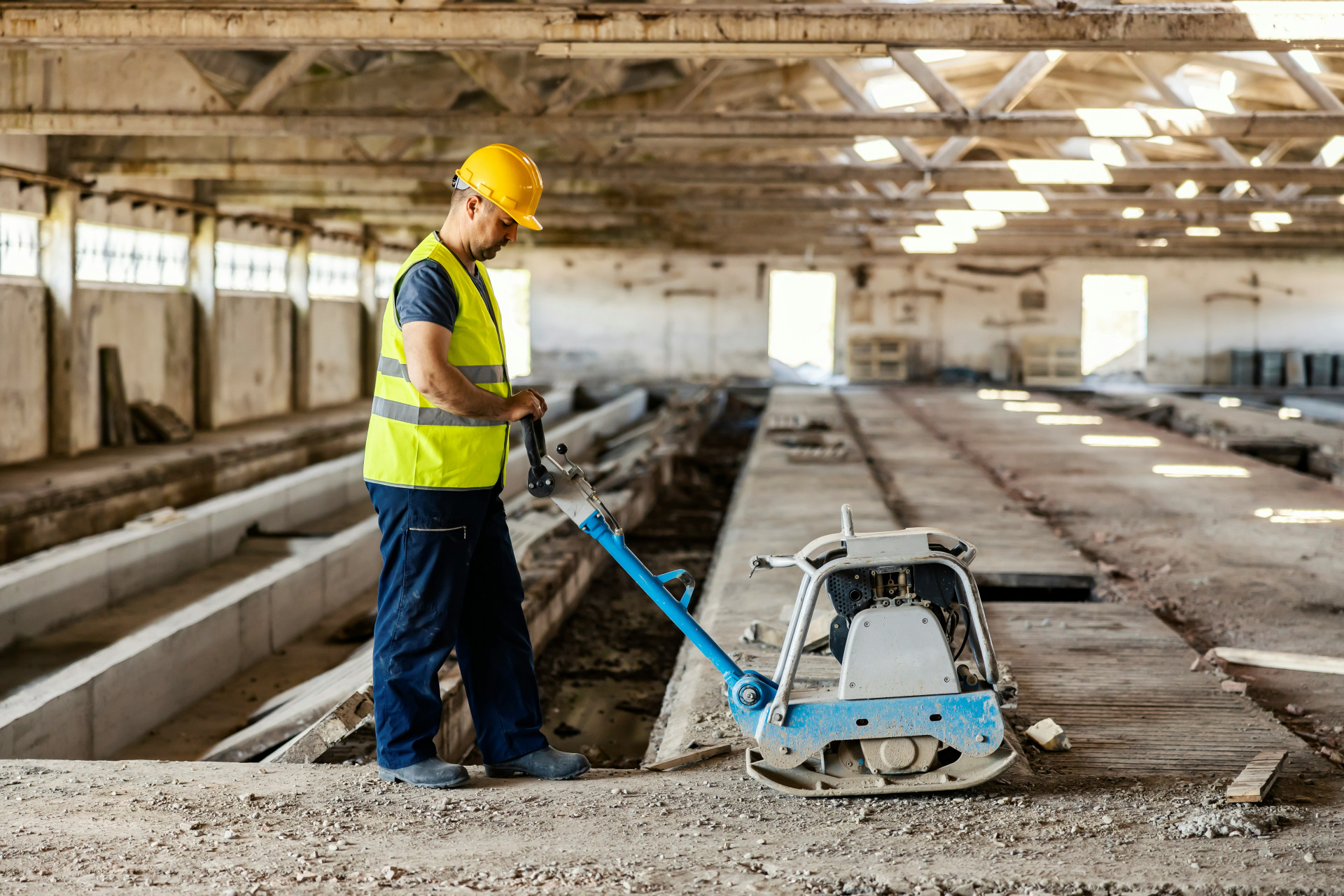
The industry is also moving towards more specialised machines that can be adapted to different soil types and working conditions. For example, compact high-frequency plate compactors are now available for efficient work in confined spaces, while remote-controlled rollers improve safety on slopes and in difficult terrain.
At the same time, large drum rollers are becoming more versatile. Many models can now switch between smooth and padfoot drums, depending on whether the job involves asphalt, gravel, or clay. This flexibility allows the same machine to be used across multiple project types.
Digital Planning and Documentation
Digitalisation is playing an ever-greater role throughout the construction process – including compaction. With modern software, contractors can plan work more precisely, simulate soil behaviour, and integrate compaction data directly into the project’s BIM model.
This provides better oversight, fewer errors, and improved logistics on site. It also enhances documentation accuracy, saving time and strengthening quality control.
Læs også:


The Future of Compaction: Automation and Data
The future points towards even greater automation. Several manufacturers are already testing autonomous compaction machines that can operate based on digital maps and sensor data without manual control. This could increase efficiency and reduce the risk of human error.
At the same time, data collection and analysis will play a central role. By combining information on soil type, moisture, machine performance, and compaction levels, contractors will be able to predict how the ground will respond – enabling more precise planning than ever before.
Stay Up to Date – and Make the Most of the Technology
The pace of development in compaction technology is fast, and keeping up is well worth the effort. New machines and digital tools can deliver both economic and environmental benefits, but they also require that teams and management are properly trained to use them effectively.
By investing in training, updated equipment, and continuous evaluation of working methods, UK construction companies can ensure they get the full benefit of new technologies – while meeting future demands for efficiency, documentation, and sustainability.
Læs også: