Check Your Home’s Pipes – Do They Need Better Insulation?

Check Your Home’s Pipes – Do They Need Better Insulation?
As the colder months approach and energy bills start to climb, it’s worth taking a closer look at your home’s pipework. Many British homes still have pipes that are poorly insulated or not insulated at all, leading to unnecessary heat loss and even the risk of frozen pipes. But how can you tell if your pipes need better insulation – and what can you do about it? Here’s a practical guide to understanding why pipe insulation matters and how to check your own system.
Why Pipe Insulation Matters
Pipe insulation isn’t just about saving money – it’s also about comfort, safety, and protecting your home. When hot water pipes aren’t properly insulated, they lose heat to the surrounding air, meaning you pay for energy that doesn’t actually warm your home. This is especially common in lofts, garages, and underfloor spaces where the heat is wasted.
Insulation also helps prevent freezing. In cold weather, uninsulated water pipes can freeze and burst, causing leaks and costly water damage. Proper insulation keeps the temperature more stable and extends the lifespan of your plumbing.
In short, insulating your pipes is a small job that can deliver big benefits in energy savings and peace of mind.
How to Check Your Pipes
You don’t need to be a plumber to do a basic inspection. A quick check can tell you whether your pipes could use some attention.
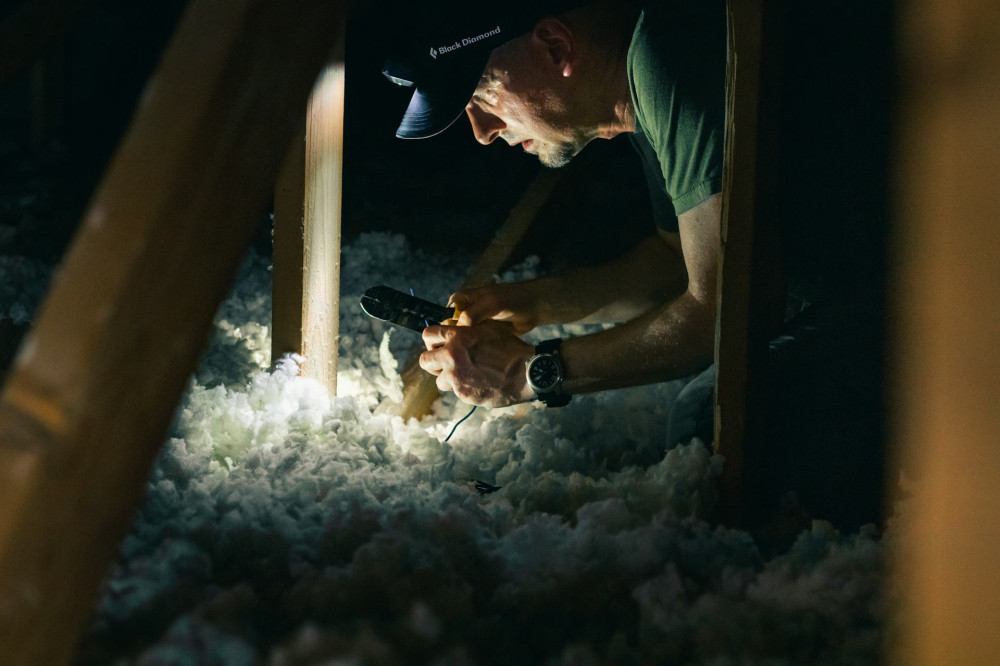
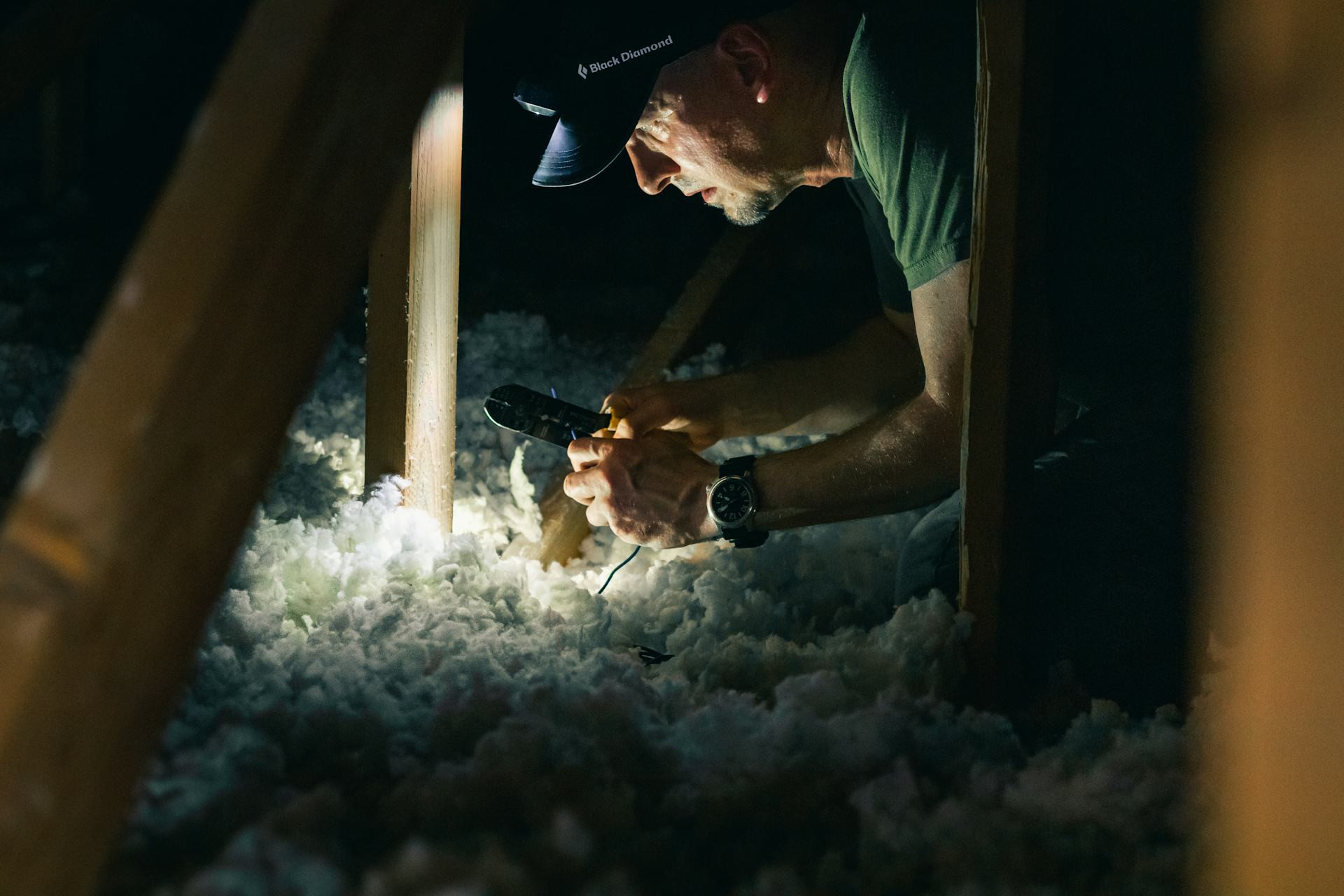
- Start with unheated areas – Look in your loft, garage, cellar, or any crawl spaces. These are the most vulnerable spots for heat loss and freezing.
- Look for bare metal – If you can see exposed copper or plastic pipes without any insulation, that’s a clear sign they need covering.
- Feel the temperature – If a pipe carrying hot water feels warm to the touch, heat is escaping. If a cold-water pipe feels icy, it could be at risk of freezing.
- Inspect existing insulation – Check for old, damaged, or damp insulation. Wet or crumbling material won’t do its job properly and should be replaced.
If you’re unsure, take a few photos and ask a plumber or energy assessor for advice.
Which Pipes Should Be Insulated?
As a rule, all hot water and heating pipes should be insulated, especially those running through unheated spaces. Cold-water pipes can also benefit from insulation, as it helps prevent condensation and freezing.
In newer homes, pipe insulation is often installed as standard, but older properties – particularly those built before the 1980s – may have little or none. If you live in an older house, there’s a good chance you could improve your insulation and reduce your energy use.
Materials and DIY Options
Pipe insulation is easy to find in most DIY stores and online. The most common types are foam sleeves and mineral wool wraps, both of which are simple to fit with basic tools.
- Foam sleeves are flexible, lightweight, and ideal for straight pipe runs. They can be cut to size with a utility knife.
- Mineral wool handles higher temperatures and is often used for pipes near boilers or in plant rooms.
- Self-sealing insulation has adhesive edges that make installation quick and tidy.
Make sure you choose the right diameter so the insulation fits snugly around the pipe – gaps reduce its effectiveness.
How Much Can You Save?
According to the Energy Saving Trust, insulating your hot water pipes can save around £10–£15 a year on heating bills, and more if you have a large system or long pipe runs. It’s one of the cheapest and easiest energy efficiency upgrades you can make, and it also helps lower your home’s carbon footprint.
If you’re already planning other home improvements, ask your plumber or heating engineer to check your pipe insulation at the same time – it’s a quick job that can pay for itself in no time.
Læs også:
When to Call a Professional
While most pipe insulation can be done as a DIY project, there are times when it’s best to get professional help. If your pipes are hard to reach, if you suspect leaks or damp, or if you’re unsure about the condition of your plumbing, a qualified plumber can assess the situation safely. An energy assessor can also help you calculate potential savings and advise on any available grants or schemes for home energy improvements.
A Small Effort with a Big Impact
Checking and improving your pipe insulation is a simple, low-cost way to make your home more energy efficient. It doesn’t take long, but it can make a noticeable difference to your comfort and your heating bills.
So next time you’re in the loft or garage, take a moment to inspect your pipes. A bit of insulation and an hour’s work could be all it takes to keep your home warmer and your energy costs lower this winter.
Læs også: