Wall Insulation in Flats: How to Bring Warmth Back to Cold Rooms


Wall Insulation in Flats: How to Bring Warmth Back to Cold Rooms
When winter sets in and the heating is on full blast, cold walls and draughts can make even the cosiest flat feel uncomfortable. Many flats – especially those in older buildings – suffer from poor wall insulation, allowing precious heat to escape through the walls. Fortunately, there are several ways to improve insulation without tearing everything down. Here’s a guide to bringing warmth back into chilly rooms.
Why Wall Insulation Matters
Walls make up a large part of a home’s surface area, and poor insulation here can lead to both cold and damp problems. When walls are cold, moisture in the air condenses more easily, which can encourage mould growth. At the same time, you’ll need to use more energy to keep the temperature up – and that shows on your heating bill.
Good wall insulation doesn’t just make your home warmer; it also makes it more comfortable. The temperature becomes more even, and you’ll no longer have to put up with cold corners or draughts from external walls.
Internal or External Insulation?
In most flats, external insulation isn’t an option, as the building’s façade is usually managed by the freeholder or residents’ association. That means internal wall insulation is often the most practical solution. It can be done in several ways:
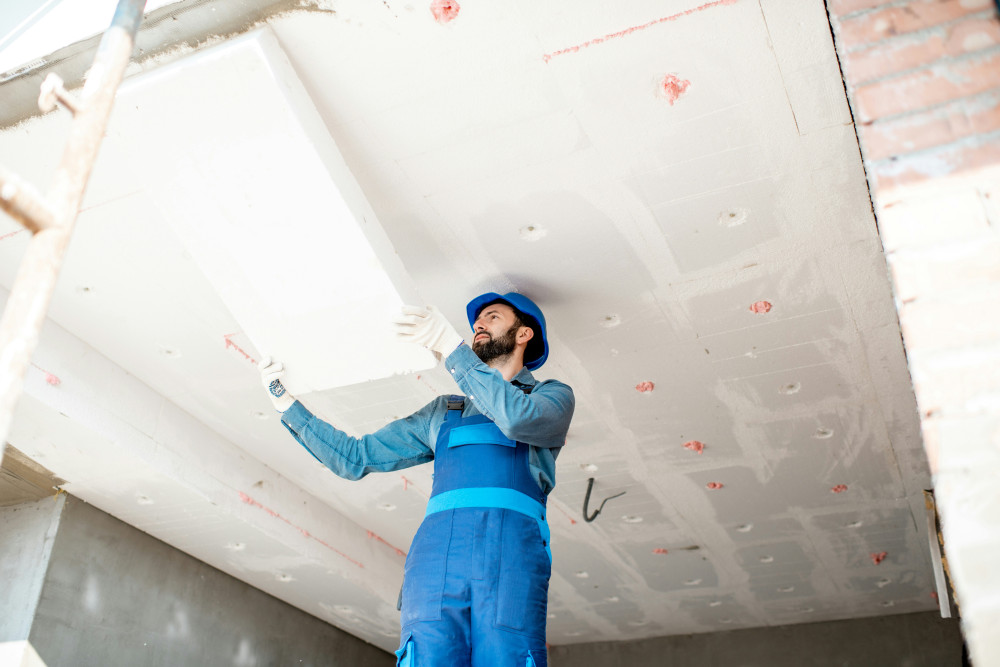
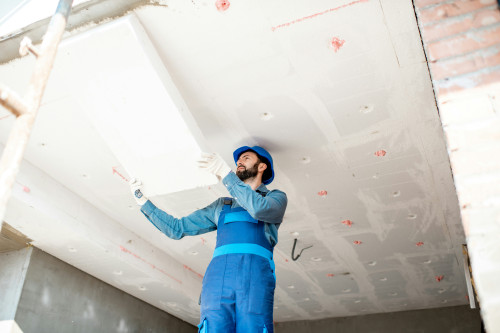
- Insulated boards: Thin boards made from materials such as mineral wool or PIR foam, fixed directly to the wall and covered with plasterboard. They don’t take up much space but can make a big difference.
- Insulating wallpaper or foil: A quick and inexpensive option that reduces the feeling of cold radiating from the wall, though it’s less effective than boards.
- Stud walls with insulation: A new wall built in front of the old one, with insulation in between. This gives the best results but takes up more space and requires more work.
If you own your flat, it’s worth checking whether the building management has plans for external insulation – it’s the most effective solution overall, though also the most expensive.
Læs også:
How to Get Started
Before you begin, assess the condition of your walls. If there are signs of damp, cracks, or mould, these issues must be fixed first. Otherwise, you risk trapping moisture behind the insulation.
- Measure and plan – Work out how much space you can spare and which walls need attention most. External walls and corners are the key areas.
- Choose materials – Consider the thickness, thermal performance (U-value), and moisture resistance of the insulation.
- Think about vapour barriers – A properly installed vapour barrier prevents moisture from getting into the wall, which is crucial for avoiding mould.
- Get professional advice – If you’re unsure, an energy assessor or qualified installer can help you find the best solution for your property type.
Small Improvements That Also Help
Even without major renovation work, there are simple steps you can take to keep the warmth in:
- Seal windows and doors with new draught-proofing strips.
- Use heavy curtains at night to reduce heat loss.
- Move furniture away from cold external walls to allow air to circulate.
- Ventilate properly – it may seem counterintuitive, but fresh air helps prevent damp and keeps rooms feeling warmer.
These small measures can make a noticeable difference while you plan a more permanent insulation upgrade.
Costs and Energy Savings
Although wall insulation requires an upfront investment, it often pays off over time. Internal insulation can reduce heat loss through walls by up to 50%, leading to lower heating bills and a better Energy Performance Certificate (EPC) rating – something that can also increase your property’s value.
You may be eligible for grants or funding through government schemes, such as the Great British Insulation Scheme or local council initiatives, if the work is carried out by an approved installer. It’s worth checking what support is available before you start.
A Warmer, Healthier Home
Once your walls are properly insulated, you’ll notice the difference immediately. The rooms feel warmer, the temperature stays steady, and the air feels fresher. A well-insulated home isn’t just more comfortable – it’s also healthier and more energy-efficient.
So, the next time you feel the chill creeping through the wall, take it as a sign that your flat could use an insulation upgrade. It’s an investment that brings lasting comfort and savings.
Læs også: