Insulation as Part of a Long-Term Climate-Friendly Housing Strategy


Insulation as Part of a Long-Term Climate-Friendly Housing Strategy
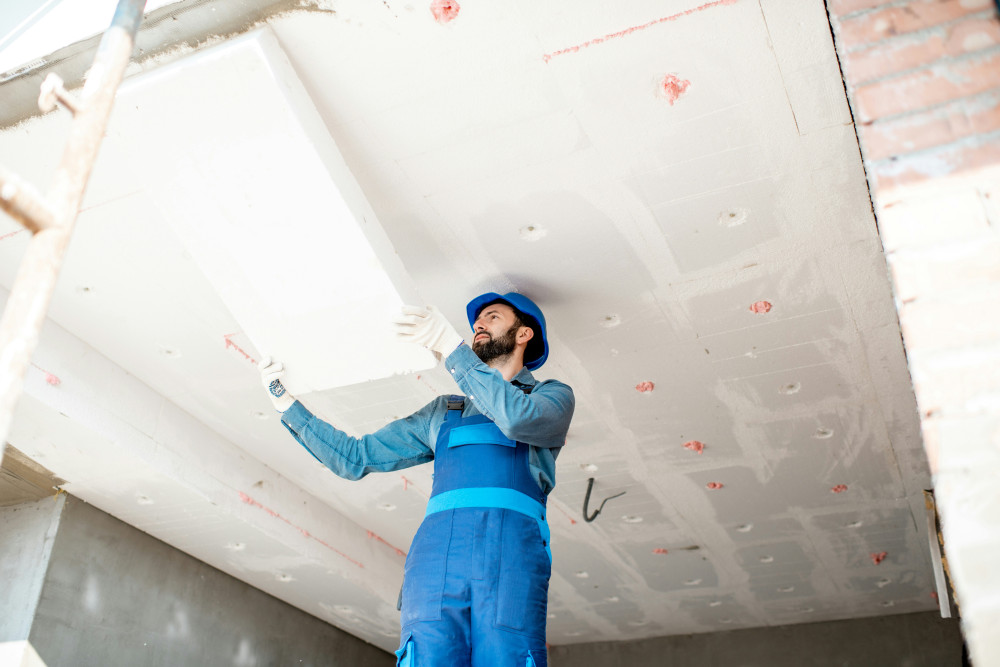
When we talk about making our homes more climate-friendly, the conversation often turns to solar panels or heat pumps. Yet one of the most effective and enduring investments is proper insulation. Insulation reduces energy use, improves comfort, and increases property value. But how can insulation become part of a long-term sustainable housing strategy rather than just a one-off improvement?
Why Insulation Is Key to Lower Energy Use
In the UK, a significant amount of heat is lost through walls, roofs, and floors—especially in older housing stock. Poor insulation means that heat escapes easily, forcing heating systems to work harder to maintain a comfortable temperature. This not only drives up energy bills but also increases carbon emissions.
Upgrading insulation can typically cut heating energy use by 20–40%, depending on the age and condition of the property. That translates into lower bills and a smaller carbon footprint. At the same time, a well-insulated home feels more comfortable, with fewer draughts and cold spots.
An Investment That Pays Off Over Time
Although insulation requires an initial outlay, it is one of the home improvements that pays for itself most quickly. The savings on heating costs can be felt from the very first winter, and with energy prices remaining high, the payback period is often shorter than expected.
Good insulation also adds value to a property. Buyers are increasingly aware of Energy Performance Certificates (EPCs) and see a high rating as a sign of both comfort and lower running costs. A well-insulated home is therefore a more attractive and future-proof investment.
Thinking Holistically – Insulation as Part of a Bigger Plan
Insulation should be seen as part of a broader energy efficiency strategy. It rarely makes sense to replace a heating system before reducing heat loss. A heat pump or modern boiler will perform far better in a well-insulated home.
A long-term plan might look like this:
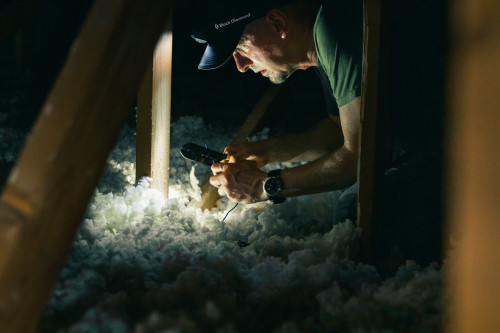
- Assess your energy use – commission an energy survey to identify where heat is being lost.
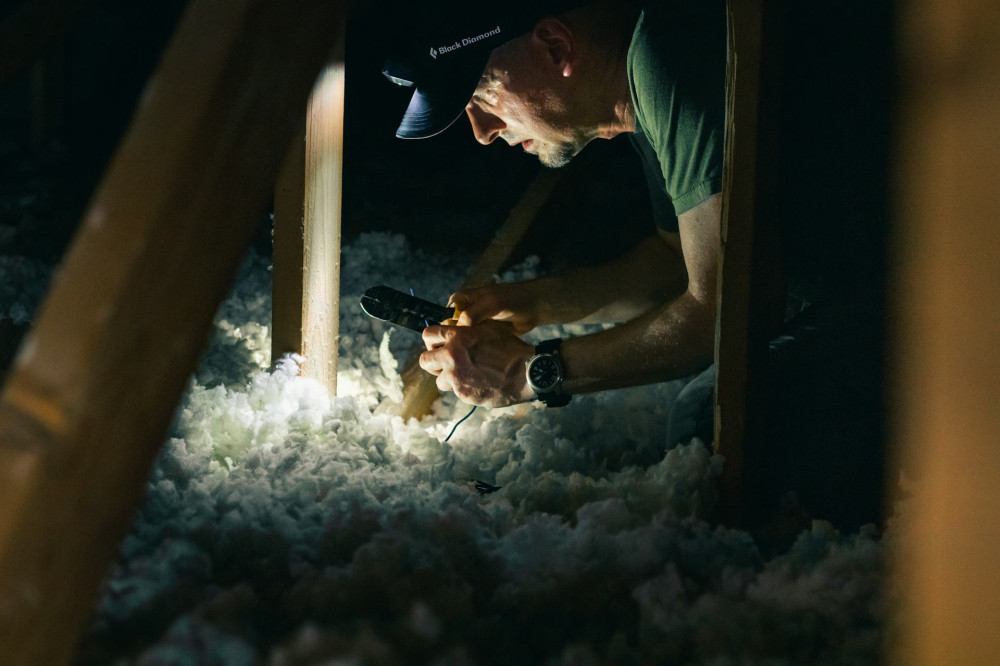
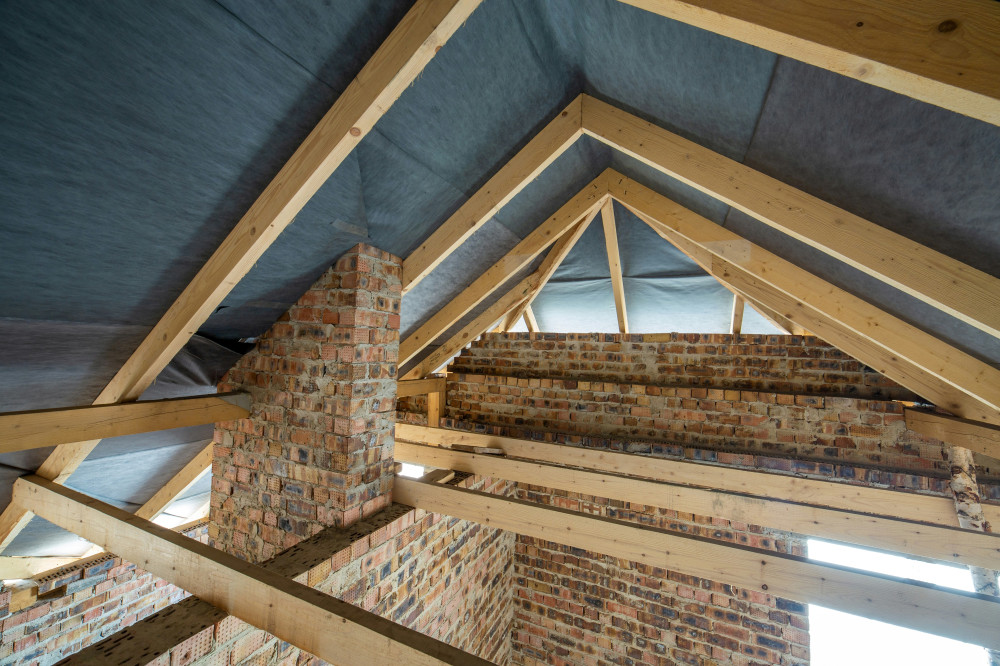
- Prioritise insulation – start with the loft and roof, where heat loss is greatest, then move on to walls and floors.
- Include ventilation – as homes become more airtight, good ventilation is essential to maintain healthy indoor air quality.
- Upgrade heating systems – once heat loss is reduced, consider switching to a low-carbon heating source such as a heat pump or district heating.
By taking a whole-house approach, homeowners can avoid costly rework and get the most out of each improvement.
Low-Carbon Insulation Materials
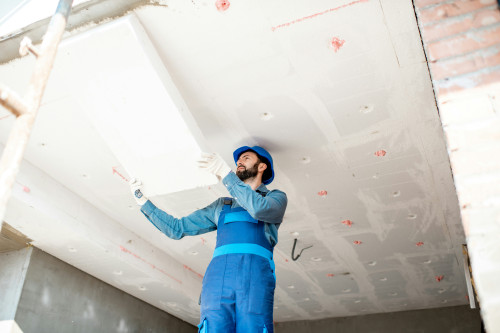
Today, there is a growing range of insulation materials that not only save energy but are also produced with environmental responsibility in mind. Natural materials such as wood fibre, hemp, and cellulose (recycled paper) are becoming popular alternatives to traditional mineral wool. They offer good thermal performance, help regulate moisture, and can often be recycled at the end of their life.
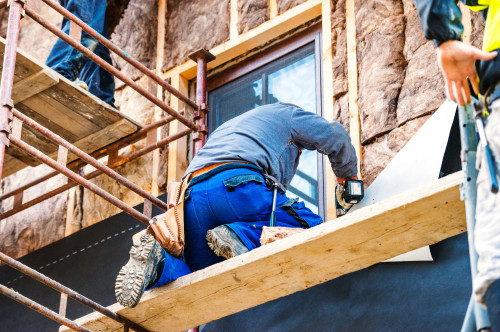
The right choice of material depends on the building’s structure and needs. What matters most is that the installation is done correctly—poorly fitted insulation can lead to damp and mould, which are both unhealthy and expensive to fix.
Læs også:

Comfort and Indoor Climate – The Hidden Benefits
While insulation is often associated with energy savings, the benefits go further. A well-insulated home maintains a more stable temperature throughout the year, with fewer draughts and cold surfaces. This creates a healthier and more comfortable living environment.
Insulation also helps reduce noise from outside, which is particularly valuable in urban areas or near busy roads. It’s an improvement that may not show up on a bill, but it makes a real difference to quality of life.
Building the Homes of the Future
Creating climate-friendly homes is about long-term thinking. Insulation is not a quick fix but a foundation for sustainable housing that meets future standards for energy use and comfort.
By combining effective insulation with renewable energy, smart controls, and conscious consumption, homeowners can create dwellings that are both economically and environmentally responsible—and ready for the decades ahead.
Læs også: