Effective Insulation Upgrades: How to Ensure Airtightness and Proper Installation

Effective Insulation Upgrades: How to Ensure Airtightness and Proper Installation
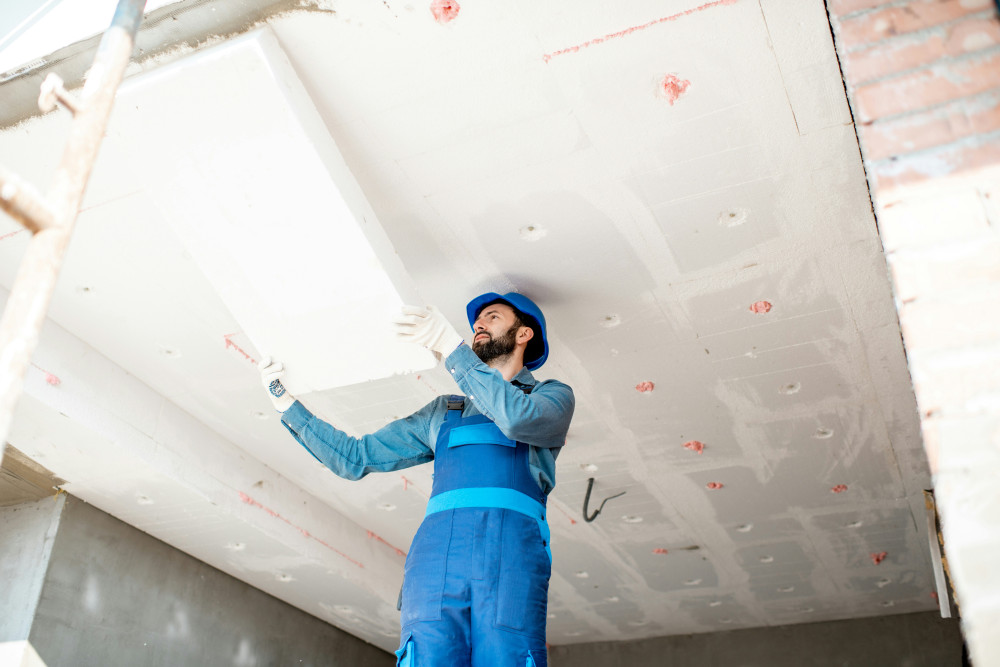
Upgrading your home’s insulation is one of the most effective ways to reduce heat loss, lower energy bills, and improve comfort. But to achieve the full benefit, the work must be done correctly – from choosing the right materials to ensuring airtightness and proper installation. Poorly executed insulation can lead to damp, draughts, and even structural damage. Here’s how to make sure your insulation upgrade delivers lasting results.
Begin with a thorough assessment
Before starting any insulation work, it’s essential to understand your home’s current condition. Many older UK homes have uneven or deteriorated insulation, and identifying problem areas isn’t always straightforward. A qualified energy assessor or building surveyor can carry out a thermal imaging survey to show where heat is escaping and where cold bridges may occur.
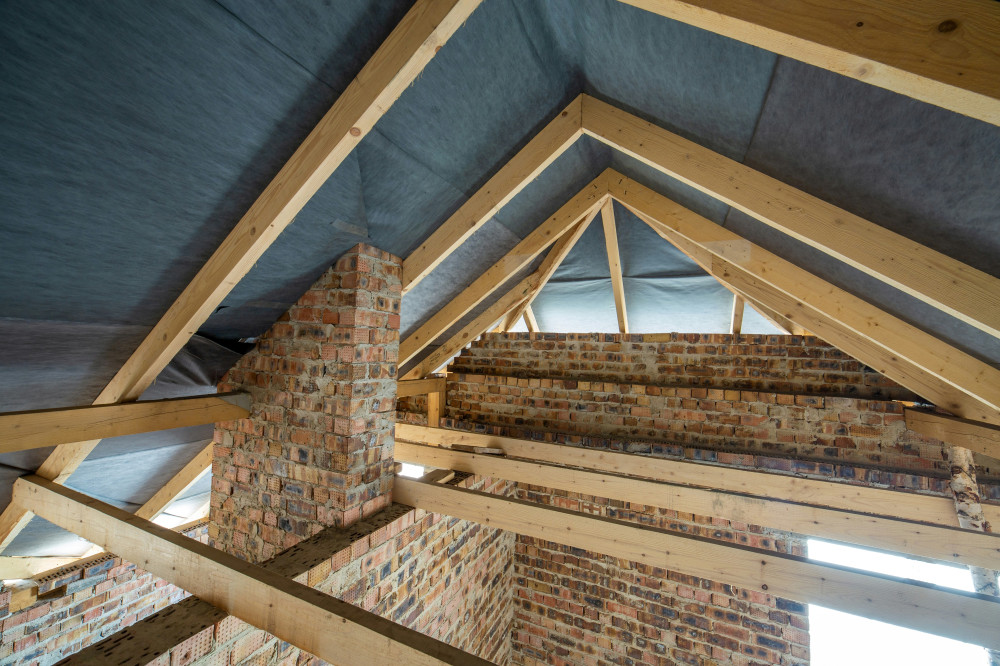
Different building types require different approaches. A Victorian terrace, for example, will need a different solution than a 1980s detached house or a modern timber-frame property. A professional assessment ensures that the chosen method suits your home’s structure and avoids moisture problems in walls or roofs.
Choose the right insulation material
There’s no one-size-fits-all solution when it comes to insulation. The best material depends on where it’s being installed, your budget, and your environmental priorities.
- Mineral wool (glass or rock wool) – a traditional choice offering good thermal performance and fire resistance. Suitable for lofts, cavity walls, and floors.
- Cellulose insulation – made from recycled paper, this eco-friendly option is blown into cavities and adapts to irregular spaces.
- Spray foam insulation (e.g. polyurethane) – provides excellent airtightness in hard-to-reach areas but must be installed by trained professionals and may affect ventilation.
- Wood fibre insulation – a natural, breathable material ideal for older or heritage buildings where moisture control is important.
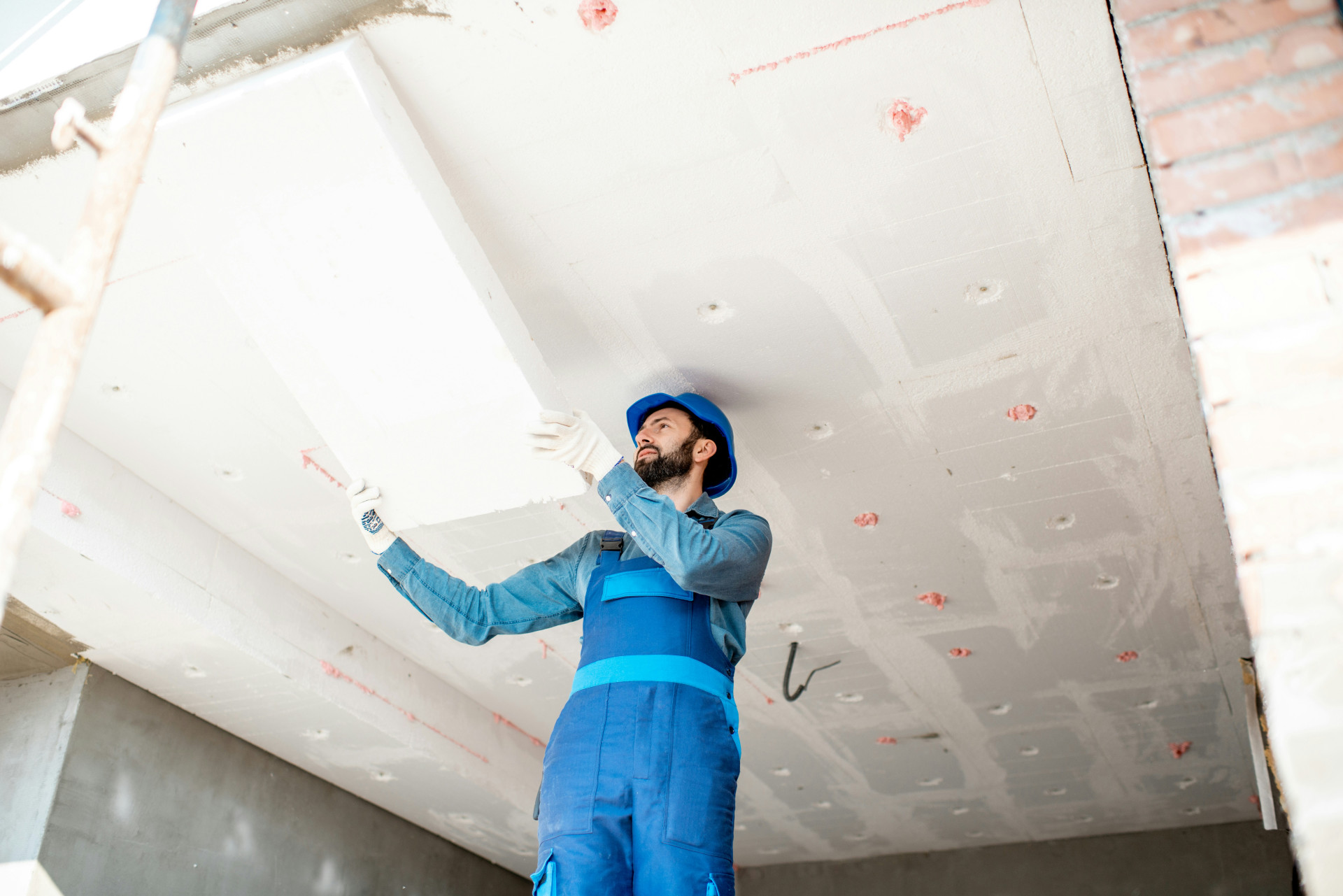
Whatever material you choose, correct thickness and continuous coverage are key. Gaps or compressed areas can significantly reduce performance.
Airtightness is the key to efficiency
Even the best insulation won’t perform well if your home isn’t airtight. Air leaks around windows, doors, and service penetrations can cause heat loss and draughts. To prevent this, a vapour control layer or air barrier should be installed on the warm side of the insulation, particularly in roofs and external walls.
A properly fitted vapour barrier stops warm, moist air from entering the structure, where it could condense and cause damp or mould. Use high-quality tapes and seals designed for airtight construction, and ensure all joints are carefully sealed.
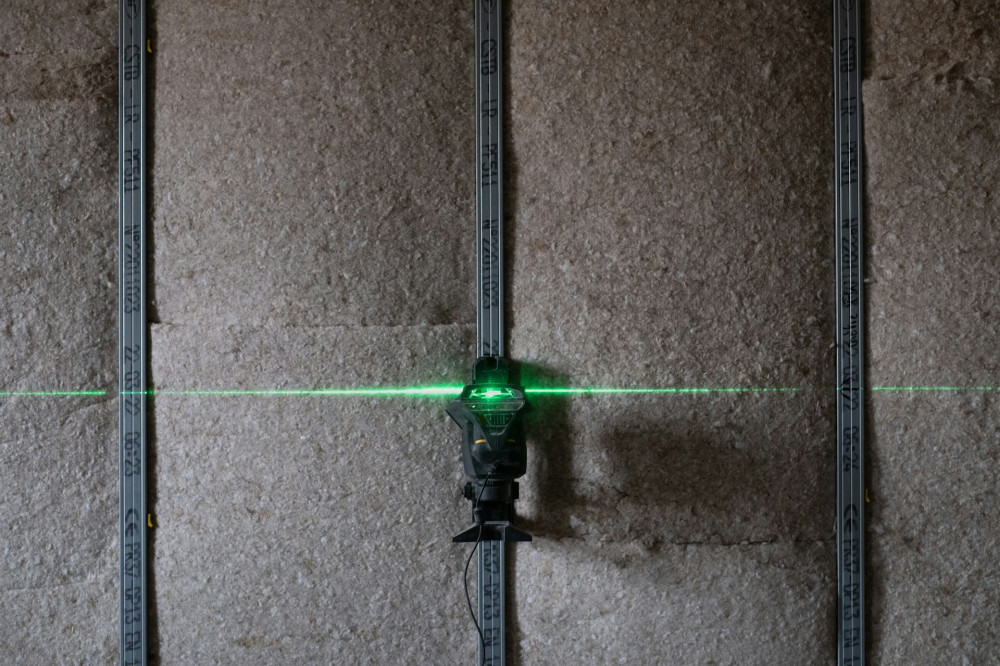
After installation, consider a blower door test to measure the building’s airtightness. This test identifies any leaks so they can be fixed before walls and ceilings are closed up.
Avoid common insulation mistakes
Many insulation problems stem from small but avoidable errors. Here are some of the most frequent issues:
- Poor ventilation – when you make your home more airtight, you must also ensure adequate ventilation. Mechanical ventilation with heat recovery (MVHR) can help maintain air quality while retaining warmth.
- Thermal bridges – these occur where insulation is interrupted, such as at joists, window reveals, or wall junctions. Ensure insulation is continuous and overlaps where possible.
- Moisture build-up – insulating without understanding the wall’s construction can trap moisture. Always check whether internal or external insulation is more appropriate for your property type.
- Over-insulating – adding too much insulation without considering ventilation or moisture balance can cause condensation problems, especially in older solid-wall homes.
Working with an experienced installer who understands energy-efficient retrofits can help you avoid these pitfalls.
Ensure quality and documentation
When the work is complete, always request documentation detailing the materials used, insulation thickness, and any test results. This information is valuable for future maintenance and can add to your home’s resale value.
Look for installers accredited under schemes such as TrustMark or PAS 2030, which certify compliance with UK retrofit standards. You may also be eligible for government-backed funding or energy efficiency grants if the work meets certain criteria.
Læs også:
A smart investment for comfort and savings
Insulation upgrades are among the most cost-effective home improvements you can make. They reduce heating costs, improve comfort, and increase your property’s value. But the real benefits only come when the work is done properly – with attention to airtightness, moisture control, and workmanship.
By planning carefully, choosing the right materials, and ensuring professional installation, you can make your home warmer, more energy-efficient, and ready for the future.
Læs også: