Combine Central Heating with Other Heat Sources – Without Replacing the Entire System

Combine Central Heating with Other Heat Sources – Without Replacing the Entire System
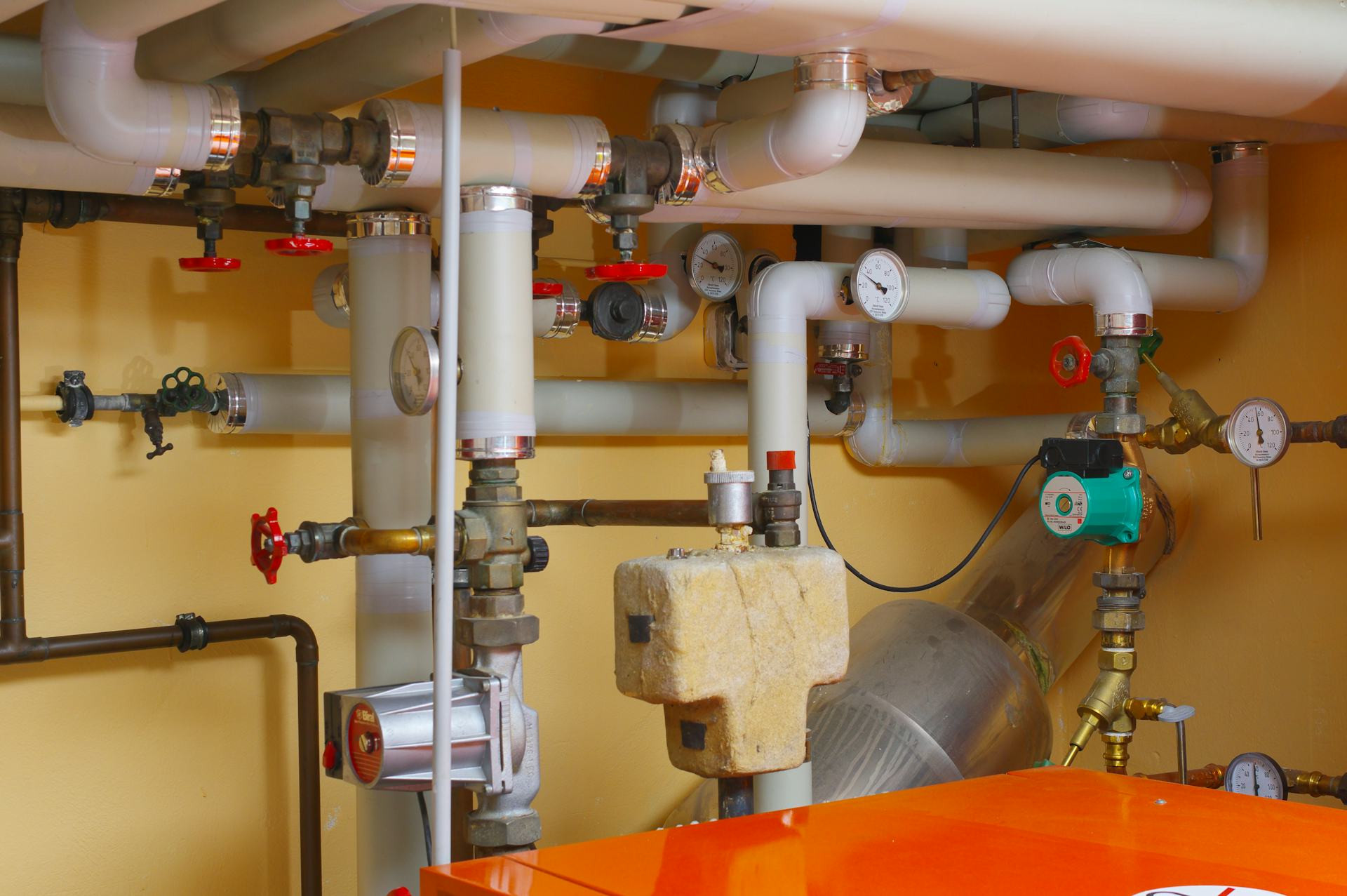
Many UK homes rely on central heating systems powered by gas or oil boilers. But with rising energy costs and growing concern about carbon emissions, more homeowners are looking for ways to make their heating greener and more efficient. The good news is that you don’t have to replace your entire system to make a difference. By combining your existing central heating with other heat sources, you can cut energy use, lower bills, and reduce your environmental impact.
Why Combine Heat Sources?
Combining central heating with other energy sources allows you to take advantage of the strengths of each technology. Your boiler provides reliable heat when needed, while renewable or alternative sources such as solar thermal panels, heat pumps, or wood-burning stoves can supply low-cost or free energy at other times.
By letting these systems work together, you can:
- Reduce heating costs by using cheaper or renewable energy when it’s available.
- Extend the life of your boiler by reducing how hard it has to work.
- Lower your carbon footprint without a full system replacement.
The key is ensuring that the systems are compatible and properly controlled so they operate efficiently together.
Solar Thermal – Free Energy from the Roof
One of the most straightforward ways to supplement central heating is with solar thermal panels. These panels use sunlight to heat water, which can then be used for domestic hot water or to support space heating.
If your home already has a hot water cylinder, solar thermal can often be connected directly to it. On sunny days, the solar system provides most of the hot water, while your boiler only steps in when needed.
Solar thermal works best as a supplement rather than a sole heat source, but it can typically cover 20–30% of a household’s annual hot water demand.
Heat Pumps as a Hybrid Solution
A heat pump, particularly an air-to-water model, can often be integrated with an existing central heating system. It extracts heat from the outside air and transfers it into your home’s heating circuit.
If you currently have a gas or oil boiler, a hybrid system can be set up so that the heat pump provides most of the heating, while the boiler only operates during very cold weather or when extra heat is required.
This approach allows you to move towards a more energy-efficient and low-carbon system gradually, without the cost and disruption of a full replacement.
Wood-Burning or Pellet Stoves – Flexible Heat for Living Spaces
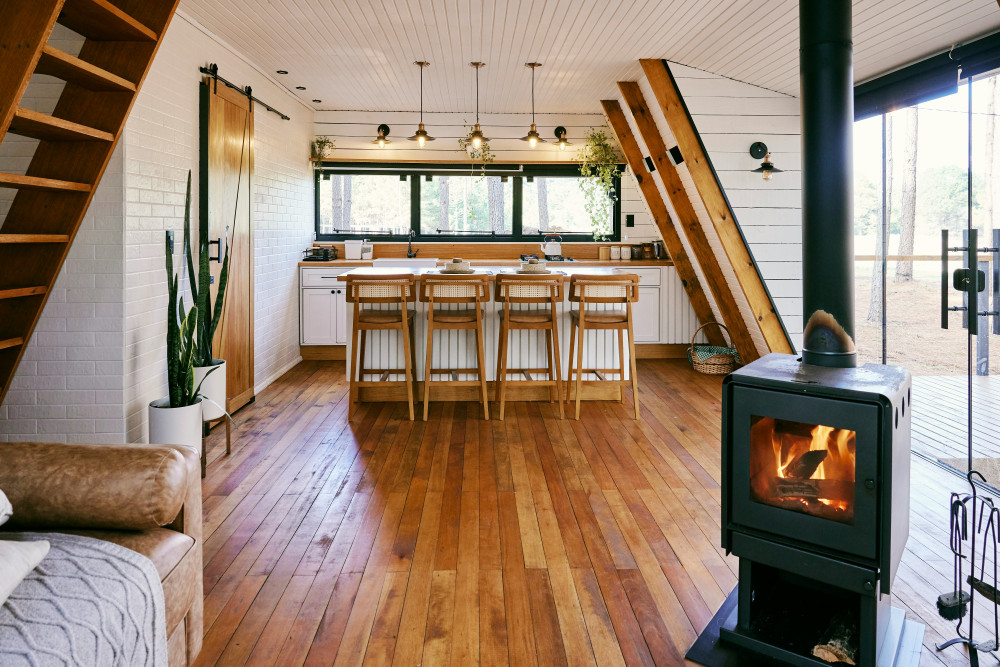
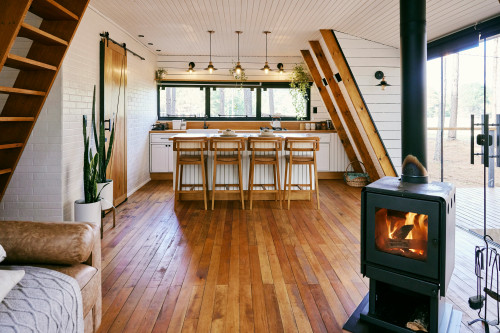
A wood-burning stove or pellet stove can be an effective way to supplement your central heating, especially during spring and autumn when you may not need the full system running.
If you choose a boiler stove (a stove with a back boiler), it can be connected to your central heating circuit to help heat the whole house, not just the room it’s in.
Professional installation and proper control are essential to ensure the systems work together safely and efficiently.
Smart Controls – The Key to Efficiency
When combining multiple heat sources, smart controls are crucial. A modern control system can automatically select the most efficient energy source based on temperature, sunlight, and energy prices.
This means you don’t have to constantly adjust settings – the system will prioritise solar energy first, then the heat pump, and only use the boiler when necessary.
A qualified heating engineer can help design and configure the system so you get the best performance and savings.
Læs også:

Costs and Support
While adding new components involves an upfront cost, the investment can pay off through lower energy bills and improved efficiency. In the UK, there are also government incentives and grants available for renewable heating technologies, such as the Boiler Upgrade Scheme (BUS), which can help offset installation costs.
It’s worth checking current schemes and eligibility before starting a project, as funding options and criteria can change over time.
A Greener, More Flexible Heating Future
Combining central heating with other heat sources is a practical way to make your home more sustainable without starting from scratch. You keep the comfort and reliability of your existing system while benefiting from cleaner, cheaper energy.
With the right planning and professional advice, you can create a flexible heating setup that adapts to the weather, your budget, and the UK’s evolving energy landscape – and that will serve you well for years to come.
Læs også: