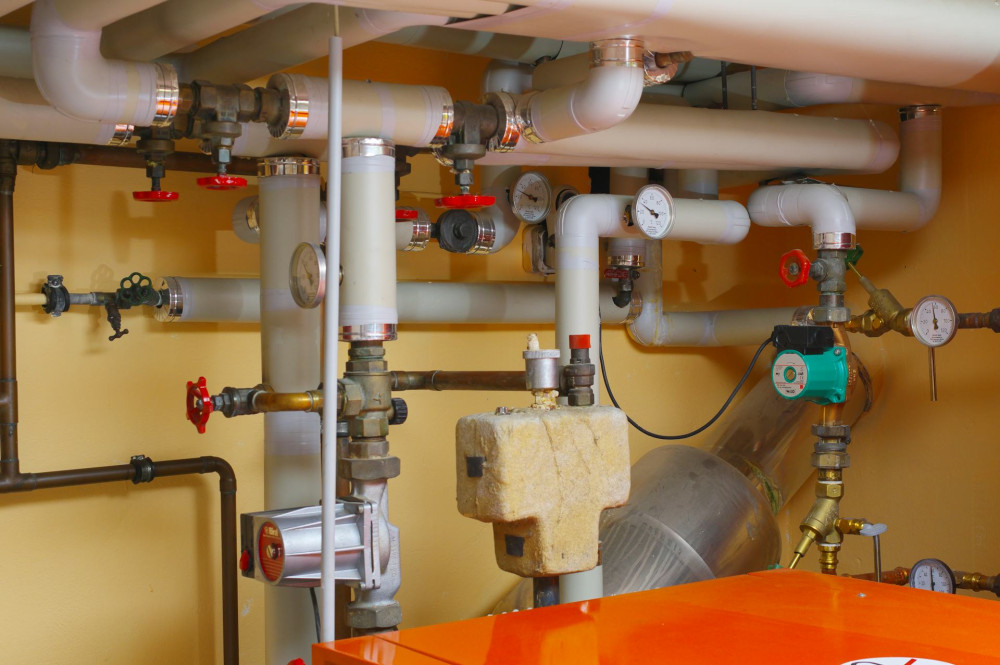
Detect heating source issues in time – before they become serious

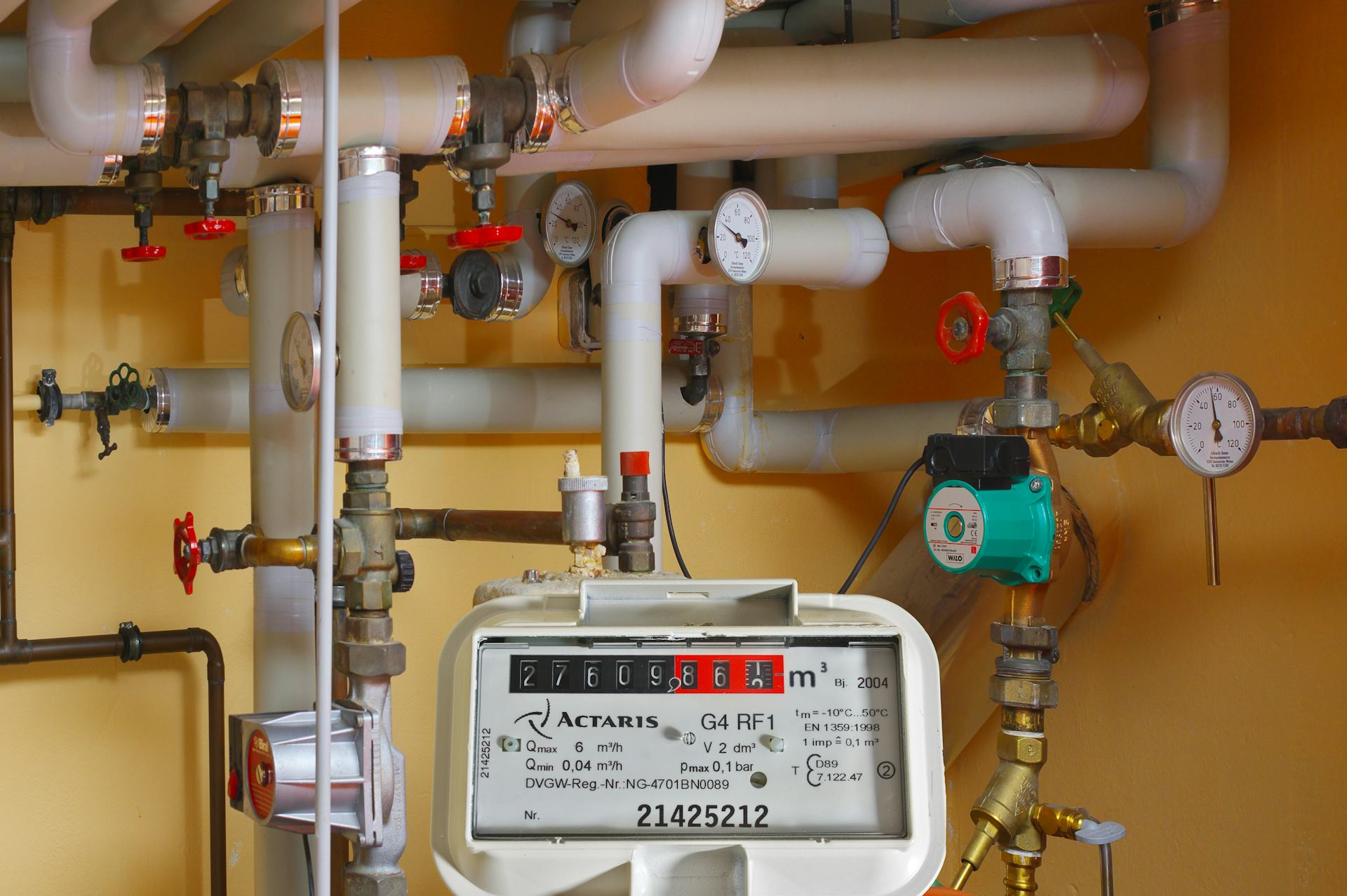
Detect heating source issues in time – before they become serious
As the colder months approach and the heating comes back on, it’s easy to take a warm home for granted. But small faults or early signs of trouble in your heating system can quickly turn into costly repairs or inefficient heating if left unchecked. Whether you rely on a gas boiler, heat pump, electric radiators or a wood-burning stove, a bit of attention and maintenance can make a big difference – for your comfort, your wallet and your safety.
Recognise the early warning signs
Most heating systems give clear signals when something isn’t quite right – you just need to know what to look for.
- Uneven heating – If some radiators stay cold while others are hot, there may be trapped air or a faulty valve.
- Unusual noises – Gurgling, banging or whistling sounds in pipes or radiators often point to air, limescale or pressure issues.
- Rising energy bills – A sudden increase in gas or electricity use without a change in habits can indicate that your system is running inefficiently.
- Smells or discolouration – A burning smell, soot or discolouration around a boiler or stove should always be investigated immediately.
- Error codes or warning lights – Modern boilers and heat pumps display error messages for a reason. Don’t ignore them – they’re designed to alert you before a serious fault develops.
Catching these signs early can prevent breakdowns and unnecessary expenses later on.
Maintenance that pays off
Your heating system doesn’t need constant attention, but regular maintenance is essential to keep it running efficiently and safely.
- Bleed your radiators at least once a year, ideally before the heating season starts.
- Clean filters and vents on heat pumps and ventilation systems to improve both air quality and performance.
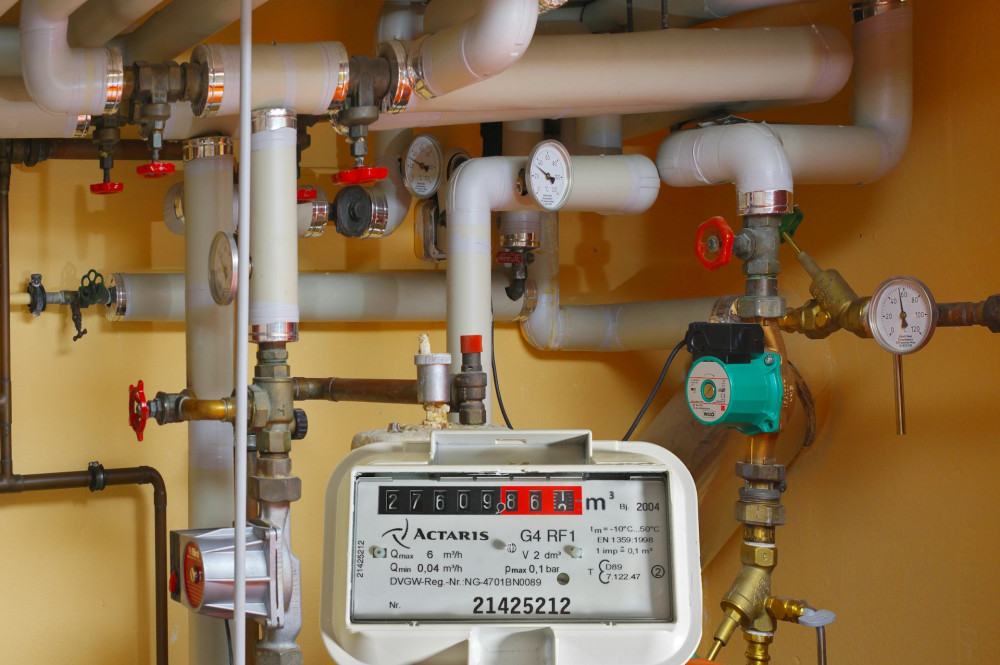
- Check the pressure on your boiler – it should usually sit between 1 and 1.5 bar.
- Book an annual service with a Gas Safe registered engineer for your boiler or gas appliance. Regular servicing can extend the lifespan of your system and ensure it operates safely.
Small tasks like these can save hundreds of pounds on energy bills and help avoid major repairs.
Læs også:

What to do if the heating fails
If your heating suddenly stops working, stay calm and check the basics before calling for help:
- Is there power to the system?
- Are the fuses or circuit breakers intact?
- Is the water pressure within the correct range?
- Is there an error code you can look up in the manual?
If you can’t identify the problem, contact a qualified heating engineer. Avoid taking the system apart yourself – it can be dangerous and may void your warranty.
Prevent problems with regular checks
Prevention is always better than cure. Set a routine to inspect your heating system a few times a year. Note any changes in noise, heat distribution or energy use – patterns like these can help you spot issues early.
You might also consider installing smart thermostats or monitoring systems that alert you if the temperature drops unexpectedly or energy use spikes. This can be especially useful if you’re away from home for long periods.
Safety and indoor air quality go hand in hand
A well-functioning heating system isn’t just about comfort – it’s also about safety. Poor combustion in a gas boiler or stove can lead to carbon monoxide leaks, and faulty pipes can cause damp or water damage. Always make sure to:
- Install a carbon monoxide alarm in any room with a fuel-burning appliance.
- Have your chimney or flue cleaned regularly if you use a wood or multi-fuel stove.
- Keep your home well ventilated to maintain healthy indoor air quality.
Good air quality and reliable heating are closely connected – both depend on a system that’s working as it should.
A small effort with big rewards
Detecting heating source issues in time doesn’t require technical expertise – just a bit of awareness and routine care. By responding to early signs, scheduling regular servicing and keeping an eye on your energy use, you can avoid costly breakdowns, extend your system’s life and enjoy a comfortable home all year round.
It’s a simple investment in safety, savings and peace of mind – ensuring your home stays warm exactly when you need it most.
Læs også: