Maintain Your Hot Water System with Simple Routines

Maintain Your Hot Water System with Simple Routines
A reliable hot water system is essential for comfort and energy efficiency in any British home. When it’s properly maintained, it lasts longer, uses less energy, and provides consistent hot water all year round. Fortunately, keeping your system in good condition doesn’t require specialist knowledge – just a few regular routines and a bit of attention.
Know Your System
The first step in good maintenance is understanding what kind of system you have. In the UK, most homes use either a combi boiler, a system boiler with a hot water cylinder, or an electric immersion heater. Check your manufacturer’s manual to learn how your system works, what maintenance you can do yourself, and how often it should be serviced.
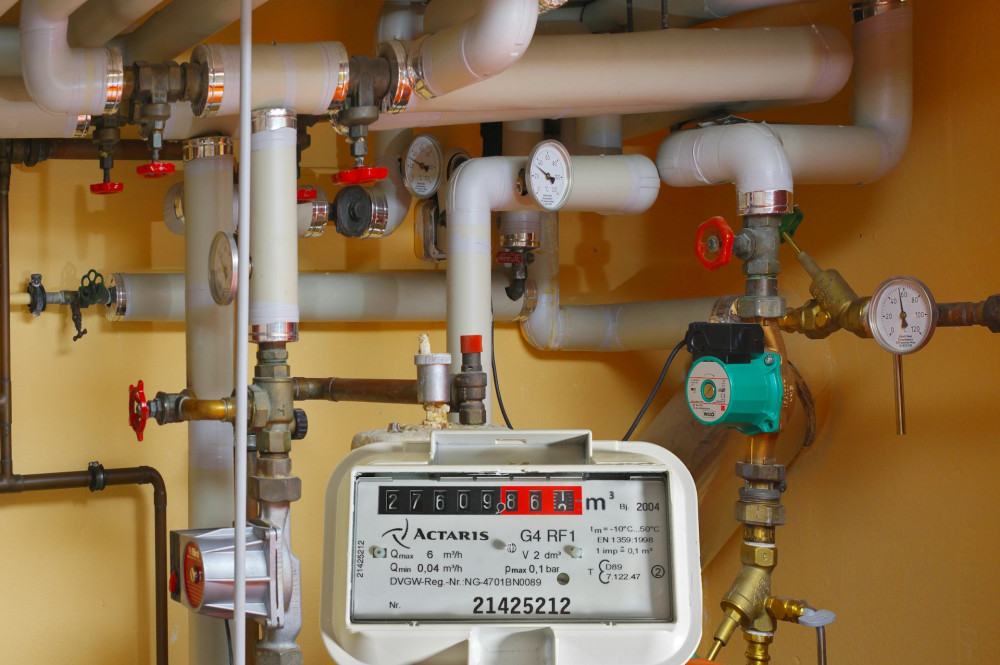
It’s also worth knowing where to read the temperature, pressure, and any error codes. The better you understand your system’s normal operation, the quicker you’ll notice if something changes.
Keep the Temperature Right
Setting the correct temperature is important for both hygiene and energy use. If the water is too cool, bacteria such as Legionella can grow; if it’s too hot, you waste energy and risk limescale build-up.
As a general rule, the hot water cylinder should be set to around 60°C. This is hot enough to prevent bacterial growth but not so high that it causes unnecessary wear or energy waste. Check the temperature a few times a year, especially after adjusting your heating settings or returning from a long holiday.
Flush and Descale Regularly
Limescale is one of the biggest enemies of hot water systems, particularly in areas with hard water – common across much of southern and eastern England. Over time, scale can coat heating elements and pipes, reducing efficiency and increasing energy consumption.
Descaling should be done as needed, typically every one to two years. You can often flush the cylinder yourself by turning off the water supply, draining the tank, and rinsing it with clean water. If you live in a hard water area, consider installing a water softener or scale-reducing filter to protect your system.
Check Valves and Safety Devices
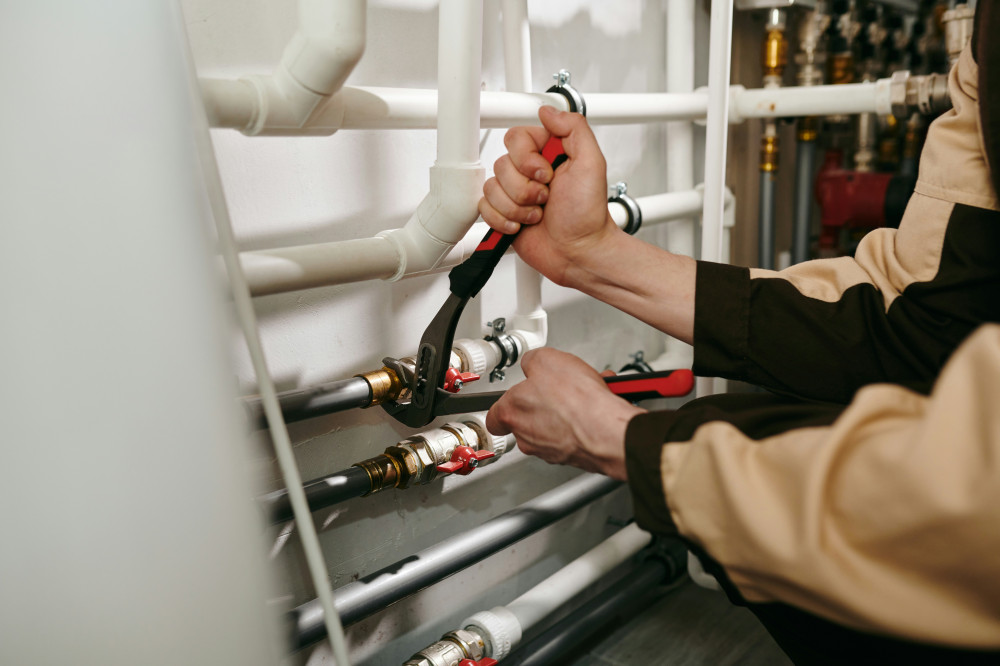
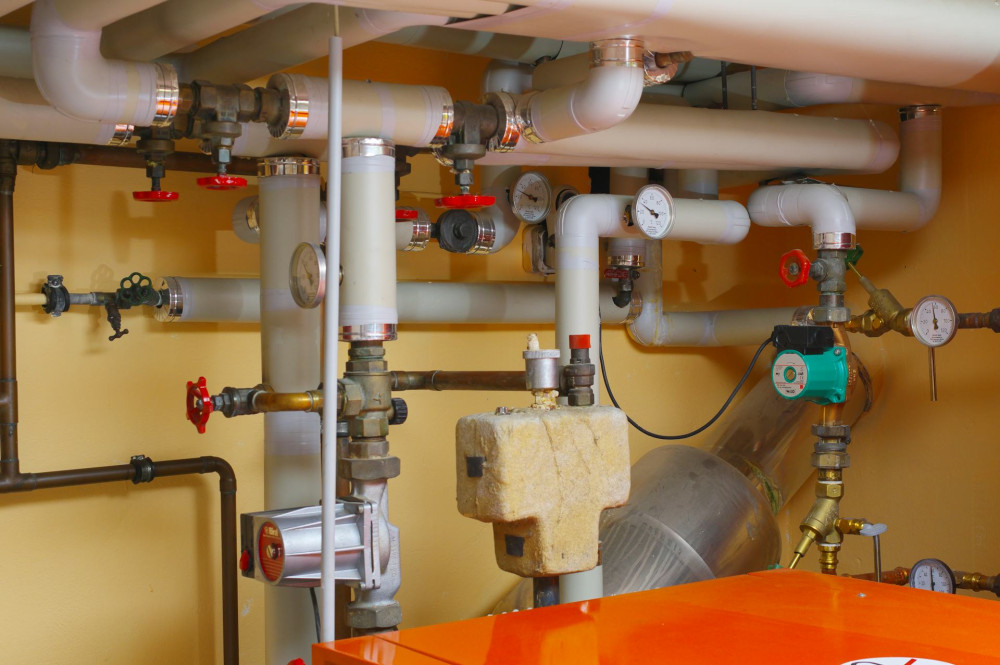
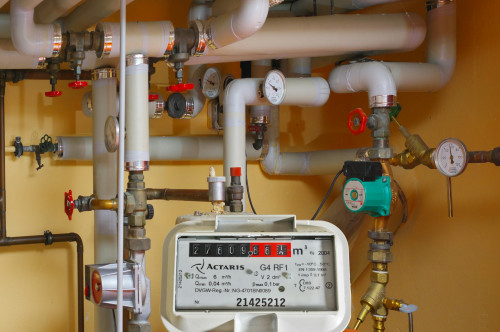
Your hot water system includes several safety components designed to prevent overpressure and backflow. These should be checked regularly to ensure they’re working properly.
- Pressure relief valve: This should release a small amount of water if the pressure gets too high. Test it briefly once or twice a year to make sure it isn’t stuck or scaled up.
- Expansion vessel: If your system has one, check that it’s holding the correct air pressure – you can use a standard tyre pressure gauge.
- Discharge pipe: Make sure it’s clear and allows water to flow freely if the safety valve opens.
If you notice leaks, unusual noises, or irregular performance, contact a qualified heating engineer or plumber.
Bleed the System When Needed
Air trapped in the pipes can cause uneven water temperature and noise. This can happen after maintenance work or long periods without use. You can release trapped air by running the hot taps until the flow is steady and free of bubbles. If the problem keeps returning, it may indicate a leak that needs professional attention.
Schedule an Annual Service
Even if you handle small maintenance tasks yourself, it’s wise to have your system professionally serviced once a year. A Gas Safe registered engineer can inspect the boiler, valves, insulation, and controls, ensuring everything runs safely and efficiently. Regular servicing can extend the life of your system and help prevent costly breakdowns.
Læs også:

Save Energy with Simple Adjustments
A well-maintained system already saves energy, but you can go further with a few everyday habits:
- Insulate hot water pipes and the cylinder, especially if they’re in a cold loft or airing cupboard.
- Avoid running more hot water than necessary.
- Fit water-saving showerheads and thermostatic mixer taps to maintain a steady temperature.
- If you’re away for an extended period, switch off the immersion heater or hot water timer – but remember to turn it back on before you return.
These small changes can add up to noticeable savings on your energy bills.
A System That Lasts for Years
Maintenance isn’t just about preventing faults – it’s about getting the most from your investment. With a few simple routines, regular checks, and an annual service, your hot water system can provide reliable, efficient, and safe performance for many years to come.
Læs også: