Poor indoor climate? Here are the typical causes and solutions

Poor indoor climate? Here are the typical causes and solutions
A healthy indoor climate is essential for comfort, wellbeing and even the condition of your home. Yet many people in the UK struggle with stale air, damp, mould or fluctuating temperatures – often without realising the cause. Poor air quality can lead to headaches, tiredness, allergies and, in the long run, damage to the building itself. Fortunately, most problems can be solved through a mix of better habits, maintenance and simple technical improvements. Here’s an overview of the most common causes – and what you can do about them.
Not enough ventilation – the most common cause
The number one reason for poor indoor air is simple: not enough ventilation. Modern British homes are well insulated to save energy, but that also means moisture, CO₂ and pollutants build up quickly if the air isn’t refreshed.
Every person releases around one to two litres of water vapour per day through breathing and perspiration. Add to that the moisture from cooking, showering and drying clothes indoors, and you have a recipe for condensation and mould.
Solution: Open your windows wide two or three times a day for 5–10 minutes to create a quick draught. This replaces the air without cooling down walls and furniture too much. If you live in a newer, airtight home, consider installing a mechanical ventilation system with heat recovery.
Læs også:

Damp and mould – hidden culprits
Damp can appear in many places: in basements, bathrooms, behind furniture or on cold external walls. When moisture can’t escape, mould spores thrive. This can trigger allergies, coughing and irritation of the eyes and airways.
Solution: Ensure good ventilation in damp rooms and never dry clothes indoors without proper extraction. Keep a steady temperature throughout your home – cold corners and walls increase the risk of condensation. If you spot mould, find and fix the source of the damp before cleaning the affected area.
Too hot or too cold
An uncomfortable indoor climate often comes down to temperature. Rooms that are too cold can develop damp, while overheated spaces feel stuffy and dry. Uneven temperatures between rooms can also create draughts and discomfort.
Solution: Maintain a stable temperature of around 20–22°C in living areas and slightly lower in bedrooms. Use thermostatic radiator valves to regulate heat, and avoid turning the heating off completely in unused rooms – it can lead to cold spots and condensation. Check that your radiators are working properly and bleed them if necessary.
Poor ventilation and clogged filters
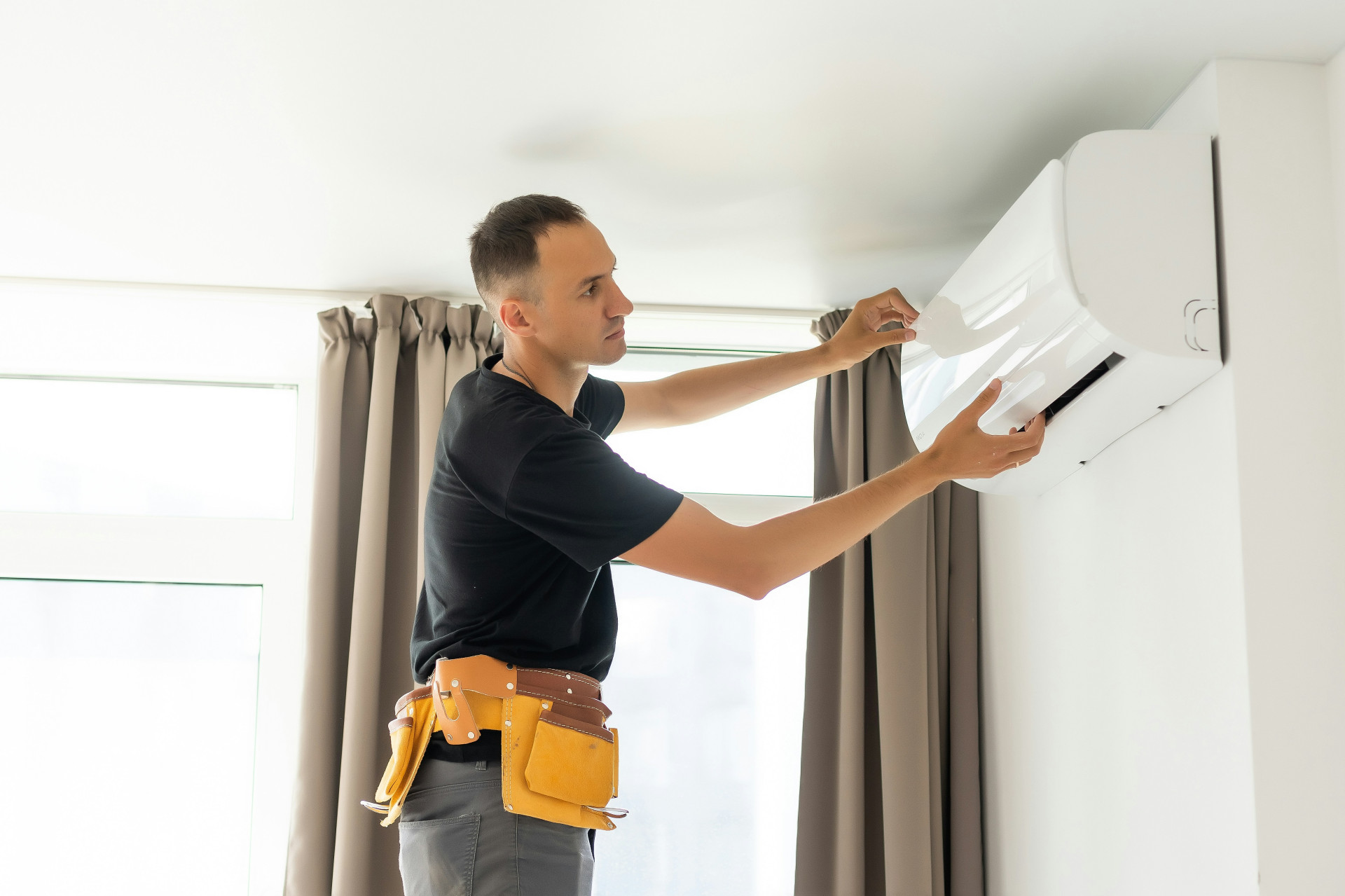
Even homes with mechanical ventilation or extractor fans can suffer from poor air quality if the system isn’t maintained. Blocked filters and dirty ducts reduce airflow and can spread dust and bacteria.
Solution: Clean or replace filters at least twice a year – more often if you live in a city with heavy traffic. Make sure kitchen and bathroom extractors are working efficiently, and that air inlets aren’t blocked by curtains or furniture.
Dust, particles and chemicals
Furniture, electronics, candles and cleaning products all release particles and chemical compounds that can affect indoor air quality. During the colder months, when we spend more time indoors, these pollutants can accumulate.
Solution: Vacuum and dust regularly, ideally with a vacuum cleaner fitted with a HEPA filter. Limit the use of scented candles and aerosol sprays, and choose eco-labelled cleaning products. Houseplants can help freshen the air, but they’re no substitute for proper ventilation.
Dry air in winter
When the heating is on and the windows are closed, indoor air often becomes too dry. This can cause dry skin, irritated eyes and static electricity. It can also make wooden furniture and floors crack.
Solution: Keep humidity between 40 and 60 per cent. You can measure it with a simple hygrometer. If the air is too dry, hang up damp towels, use a humidifier or air out briefly to bring in fresh, slightly more humid air.
When technology can help
Modern technology can make it easier to monitor your indoor climate. Smart sensors can measure temperature, humidity and CO₂ levels, and alert you when it’s time to air out. Some ventilation systems can even adjust automatically based on the readings.
Solution: Consider investing in a basic indoor air quality monitor. It gives you a clear picture of your home’s air conditions and helps you change habits before problems arise.
A healthy indoor climate starts with awareness
Good indoor air isn’t just about technology – it’s about everyday habits. Regular ventilation, steady heating and good cleaning routines are the most important steps. Small changes can make a big difference – for your health and for your home.
When the air feels fresh, the temperature is stable and humidity is under control, you’ll notice it immediately: you sleep better, concentrate more easily and simply feel more comfortable in your own home.
Læs også: